Bioactive peptides have transformed the formulation architecture of modern anti-aging cosmeceuticals. Unlike inert moisturizing agents or broad-spectrum botanical extracts, synthetic signal peptides operate as precise cellular messengers that trigger extracellular matrix (ECM) protein synthesis by binding to specific cell surface receptors on fibroblasts. However, translating the biological efficacy of these molecules into commercially viable skincare products presents severe formulation challenges. Peptides are intrinsically fragile biomolecules governed by strict thermodynamic and kinetic stability profiles. In water-based anti-aging serums, unmonitored pH environments, thermal stress, and chemical incompatibilities with co-actives trigger irreversible degradation pathways. Formulators must establish rigorous stabilization protocols to maintain peptide structural integrity from manufacturing through commercial shelf life.
Mechanism and Chemical Degradation Pathways of Signal Peptides
Signal peptides, such as palmitoyl oligopeptides and palmitoyl tetrapeptide-7, stimulate the production of collagen type I, collagen type III, fibronectin, and hyaluronic acid. Concurrently, neurotransmitter-inhibiting peptides like snap-8 and pentapeptide-18 work at neuromuscular junctions to modulate muscle contraction and soften expression lines. Despite their distinct clinical endpoints, both classes share identical peptide backbone chemistry linked by vulnerable amide bonds.
When dissolved in aqueous cosmetic emulsions or aqueous serums, synthetic peptides are susceptible to five primary chemical degradation pathways:
- Peptide Bond Hydrolysis: The cleavage of the amide backbone into smaller, biologically inactive fragments. Hydrolysis rates escalate dramatically in strongly acidic ($pH < 4.0$) or alkaline ($pH > 8.0$) environments, with peptide bonds adjacent to aspartic acid residues (Asp-X) being particularly prone to acid-catalyzed scission.
- Deamidation: The hydrolytic conversion of neutral asparagine (Asn) or glutamine (Gln) side-chain amides into negatively charged aspartic acid or glutamic acid residues. This reaction alters the net electrical charge and tertiary conformation of the peptide, preventing proper receptor binding.
- Aspartimide Formation: An intramolecular cyclization reaction occurring in sequences containing Asp-Gly or Asp-Ser motifs. Aspartimide intermediates subsequently reopen to form a mixture of native peptide and non-functional beta-aspartyl isomers.
- Methionine and Cysteine Oxidation: Exposure to dissolved atmospheric oxygen, transition metals, or oxidative preservatives oxidizes thioether and thiol functional groups into sulfoxides or disulfide dimers, degrading the biological activity of the sequence.
- Diketopiperazine (DKP) Formation: Intramolecular aminolysis occurring at the N-terminus, where the free amino group attacks the second peptide bond, releasing a cyclic dipeptide and truncating the therapeutic sequence.
The Critical pH Stability Window
Formulating cosmetic products requires balancing skin physiological compatibility with raw material chemical stability. While stratum corneum acid mantle health benefits from topical products formulated between pH 4.5 and 5.5, peptide stability dictates precise boundaries. The optimal thermodynamic stability window for the majority of signal and carrier cosmetic peptides resides strictly between pH 5.0 and 6.5.
At pH values below 4.5, acid-catalyzed hydrolysis of the peptide backbone accelerates exponentially. Formulators who lower serum pH to enhance mild chemical exfoliation or optimize preservative performance compromise peptide recovery rates. Accelerated stability testing demonstrates that storing signal peptides in water-based media at pH 3.5 at 40°C results in greater than 35% active degradation within 60 days. Conversely, at pH values exceeding 7.0, base-catalyzed deamidation and terminal epimerization (chiral inversion of L-amino acids to D-enantiomers) predominate. Maintaining a buffered equilibrium between pH 5.2 and 5.8 through mild buffer systems, such as sodium citrate/citric acid or potassium phosphate, minimizes both hydrolytic and isomerizing degradation kinetics without disrupting dermal tolerance.
Ingredient Incompatibilities in Anti-Aging Serum Matrices
Multi-active serum architectures often combine peptides with popular dermatological ingredients. However, co-formulating signal peptides with certain common cosmetic actives leads to rapid chemical degradation, active precipitation, or loss of bioavailability.
| Co-Active Category | Incompatible Agents | Degradation Mechanism | Formulation Mitigation Strategy |
|---|---|---|---|
| Alpha & Beta Hydroxy Acids | Glycolic acid, Lactic acid, Salicylic acid | Acid-catalyzed amide backbone hydrolysis due to low vehicle pH (pH 3.0–3.8) | Segregate into separate day/night regimens, or use neutral polyhydroxy acid derivatives |
| Direct L-Ascorbic Acid | Pure L-Ascorbic Acid | Low formulation pH requirement ($< 3.5$) and trace metal-induced oxidative cleavage | Substitute with stable, neutral vitamin C derivatives (e.g., Sodium Ascorbyl Phosphate, 3-O-Ethyl Ascorbic Acid) |
| Proteolytic Enzymes | Papain, Bromelain, Subtilisin | Enzymatic digestion and cleavage of synthetic peptide amide bonds | Strictly avoid co-formulation in leave-on treatment products |
| Electrolytes & Strong Chelators | High concentrations of NaCl, Disodium EDTA (> 0.2%) | Ionic salting-out of lipopeptides; stripping of functional metal ions in metal-peptide complexes | Use biodegradable chelators (Sodium Phytate) at calibrated levels ($< 0.05\%$) |
| Oxidative Preservatives | Peroxides, Chlorphenesin, DMDM Hydantoin | Oxidation of sulfur-containing (Met, Cys) and aromatic (Trp, Tyr) residues | Adopt gentle non-oxidative preservation systems (e.g., 1,2-Hexanediol, Caprylyl Glycol, Phenoxyethanol) |
Hydroxy Acids (AHAs/BHAs)
Chemical exfoliants require low formulation pH (typically pH 3.0 to 3.8) to maintain free acid bioavailability. Incorporating signal peptides into standard glycolic or salicylic acid solutions causes rapid chemical breakdown. The severe hydronium ion concentration attacks the peptide backbone, degrading the active into small peptide fragments before transdermal penetration can occur. Anti-aging serums incorporating peptides must maintain a pH above 5.0, rendering them incompatible with free hydroxy acids.
L-Ascorbic Acid
Unstabilized pure vitamin C presents a dual incompatibility challenge. L-ascorbic acid requires a pH below 3.5 to penetrate the skin barrier effectively and acts as a strong reducing agent that generates trace reactive oxygen species during autoxidation. These conditions accelerate peptide backbone cleavage and side-chain oxidation. When formulators seek synergistic collagen-boosting claims combining vitamin C and signal peptides, they must transition to non-acidic vitamin C ethers or esters, such as 3-O-Ethyl Ascorbic Acid or Tetrahexyldecyl Ascorbate, which formulate cleanly at pH 5.5 to 6.2.
Direct Proteolytic Enzymes
Enzymatic exfoliants, including papain and bromelain, represent severe biological incompatibilities. Because these enzymes specifically catalyze the hydrolysis of peptide bonds, adding them to formulations alongside synthetic signal or neurotransmitter peptides results in complete enzymatic digestion of the active sequences within hours of batch manufacture.
Formulation Engineering: Processing Conditions and Transdermal Delivery
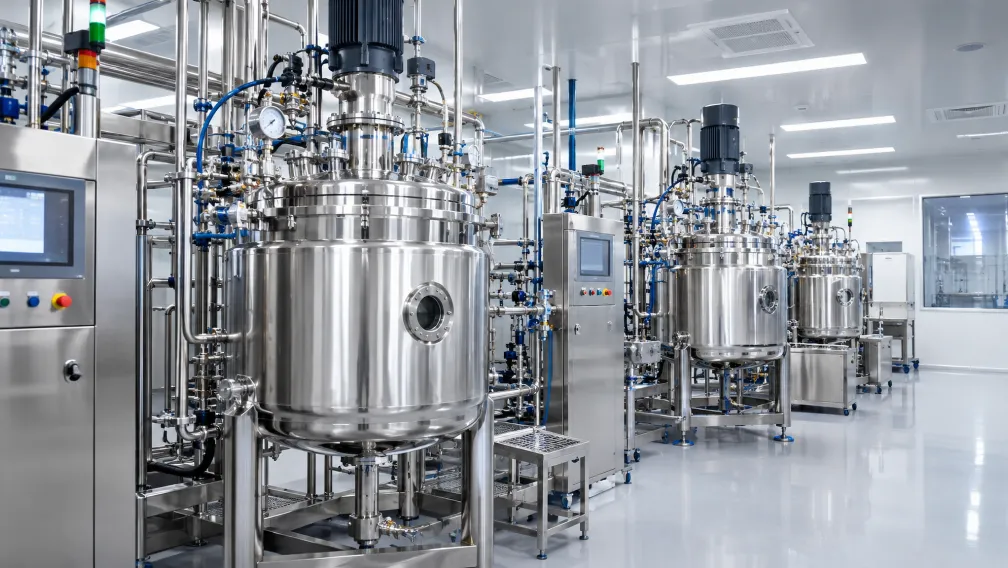
Ensuring peptide stability extends beyond chemical compatibility into manufacturing process control. Bioactive peptides require gentle mechanical and thermal processing parameters during batch production.
Thermal and Shear Thresholds
Synthetic peptides should never be added during high-temperature emulsification phases (75°C to 80°C). Sustained heat exposure accelerates thermal denaturing, racemization, and accelerated hydrolysis. In commercial batch manufacturing, peptides must be dissolved in a designated water sub-phase and introduced post-emulsification during the cooldown phase at temperatures strictly below 40°C. Furthermore, formulations containing modified peptides, such as hexapeptide-11 or acetyl tetrapeptide-5, should not be exposed to excessive rotor-stator high-shear homogenization post-addition. High mechanical shear stress disrupts secondary structures and induces aggregation. Gentle paddle or propeller mixing is sufficient to ensure uniform dispersion.
Enhancing Transdermal Stratum Corneum Partitioning
The stratum corneum poses a formidable physical barrier to unmodified, hydrophilic peptides due to the "500 Dalton rule." Peptides containing more than four amino acids typically exceed this molecular weight cutoff and possess negative $\log P$ values, preventing passive diffusion across the lipid bilayers. Cosmetic chemists deploy two primary strategies to overcome this barrier:
- Lipophilic Conjugation: Attaching lipid moieties—such as palmitic or myristic acid—to the N-terminus of the peptide backbone increases the molecule's lipophilicity ($\log P \approx 2.5 - 3.8$). This structural peptide modification enables the active to intercalate into the lipid lamellae of the stratum corneum, dramatically improving bioavailability in the viable epidermis and dermis.
- Solvent Carriers and Encapsulation: Utilizing penetration enhancers such as Ethoxydiglycol, Dimethyl Isosorbide (DMI), or 1,3-Propanediol reduces interfacial tension and fluidizes lipid barriers. For advanced delivery, phospholipid liposomes or lipid nanoparticles encapsulate the peptide, shielding it from surface enzymatic degradation while providing sustained dermal delivery, as detailed in our analysis of peptides in cosmetic R&D.
Analytical Stability Validation in Finished Formulas
Demonstrating product stability requires analytical validation rather than theoretical modeling. Regulatory compliance and claim substantiation demand validated stability-indicating methods capable of resolving the intact peptide active from complex cosmetic matrices containing emulsifiers, polymers, and preservatives.
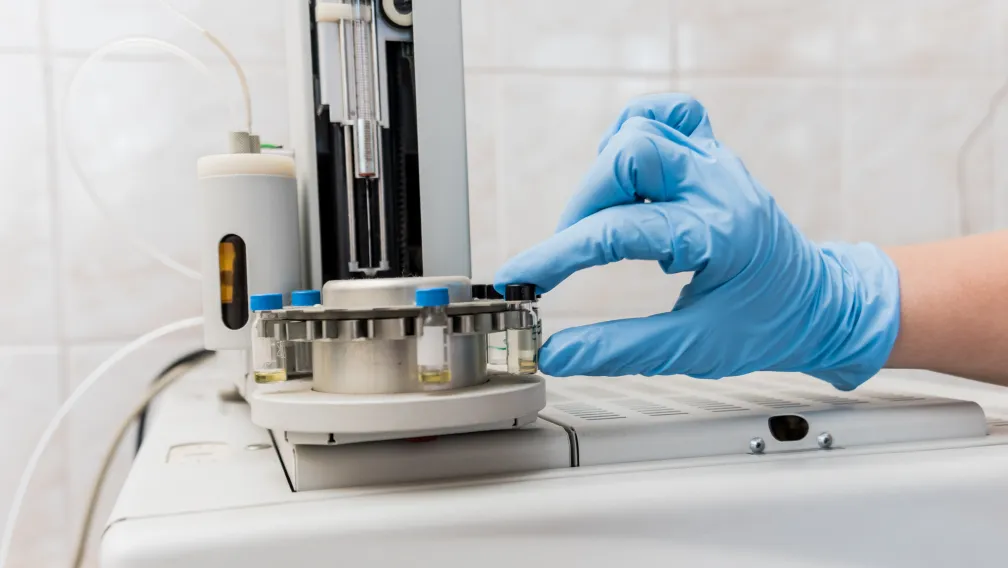
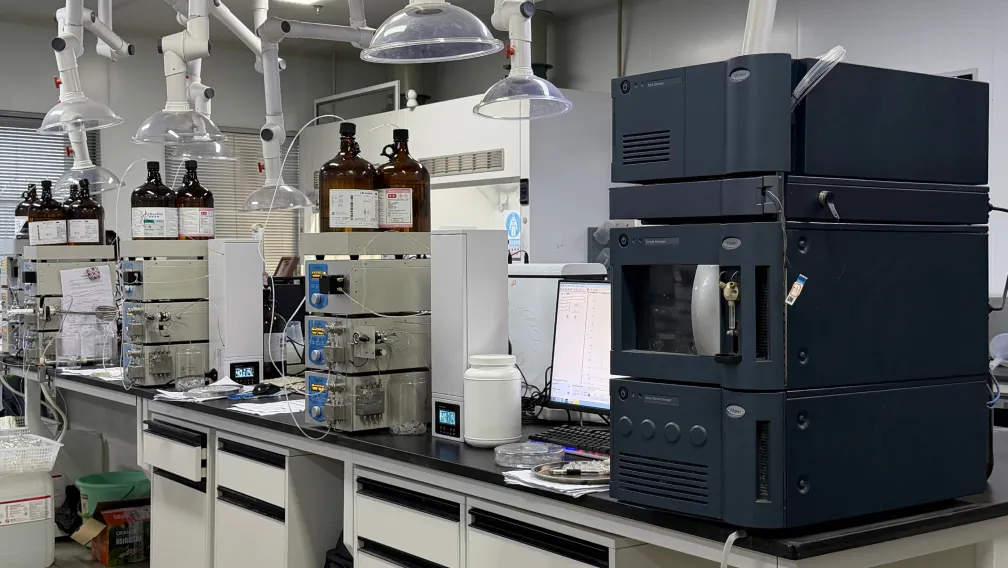
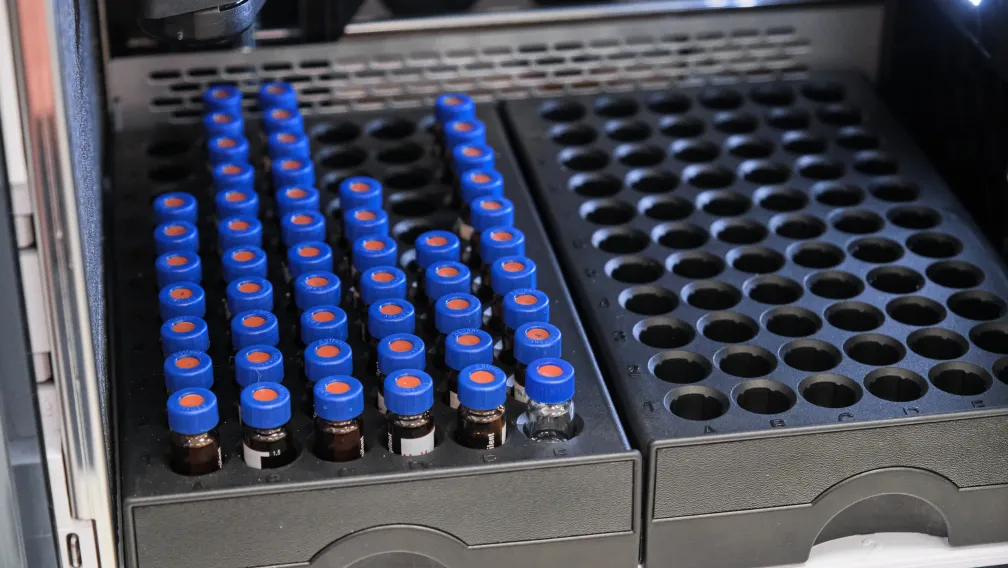
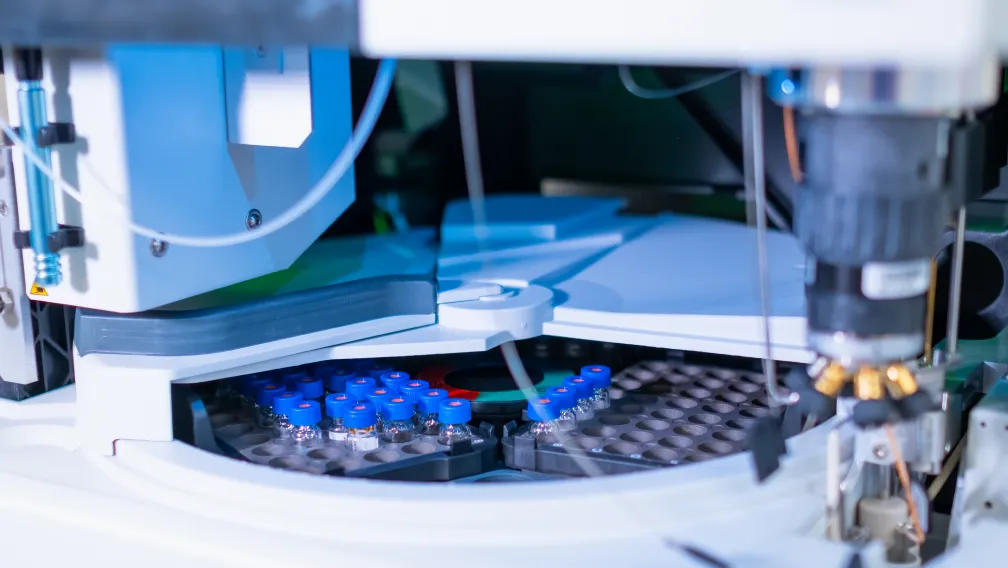
Reversed-Phase High-Performance Liquid Chromatography coupled with UV or Mass Spectrometry (RP-HPLC-MS) represents the analytical standard for cosmetic stability profiling. Finished serums undergo real-time testing (25°C/60% RH for 12 to 24 months) and accelerated aging protocols (40°C/75% RH for 3 to 6 months). Methods must track the percentage recovery of the active peak and detect related degradants, such as deamidated species or hydrolyzed fragments. Maintaining stability throughout these stress protocols confirms that the chosen pH buffering system, chelators, and packaging configuration provide adequate physical and chemical protection.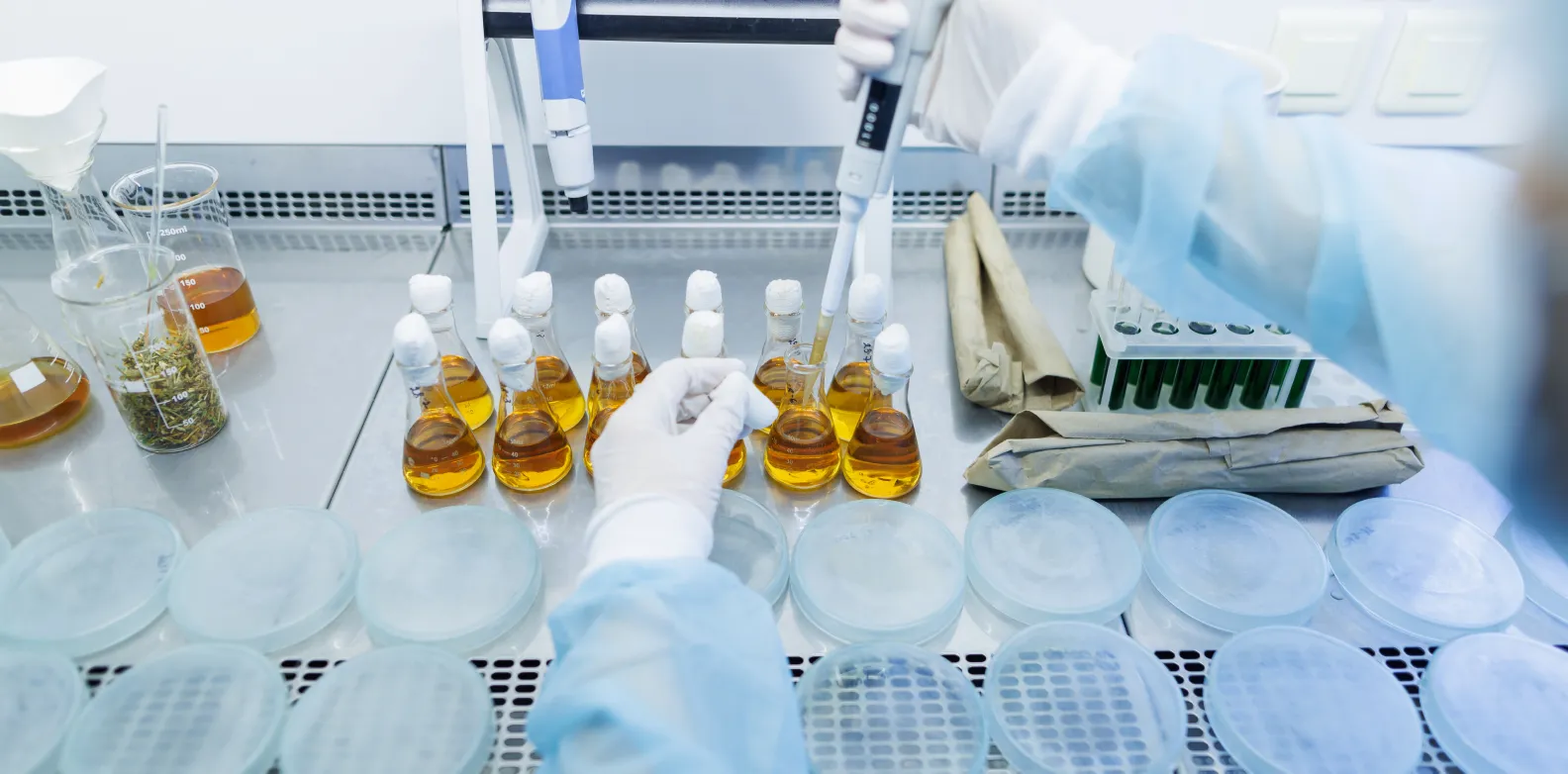
Sourcing and Manufacturing Integration
The commercial success of high-performance peptide formulations begins with raw material quality. Cosmetic formulators and brand developers must ensure their active peptides possess certified chromatographic purity, verified sequence integrity, and strict controls over residual synthesis solvents and endotoxins. Sourcing through reliable custom peptide synthesis partners ensures precise batch-to-batch reproducibility and provides the regulatory documentation—including Certificates of Analysis (COA) and stability testing dossiers—needed for global product registrations. By implementing systematic pH control, eliminating chemical incompatibilities, and adhering to strict processing thresholds, skincare brands can formulate stable, highly efficacious anti-aging serums that deliver verifiable clinical results.
-

Synpeptide
peptide-focused CRO/CDMO company
The SynPeptide Research Team brings together scientists specializing in peptide synthesis, purification, and analytical characterization. Drawing on hands-on laboratory experience across custom and catalog peptides, the team shares evidence-based insights for researchers, formulators, and product developers. All content is reviewed against current scientific literature and internal quality-control data, reflecting SynPeptide's commitment to accuracy, reproducibility, and the responsible communication of peptide science.