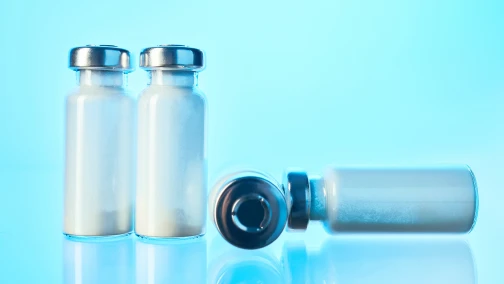
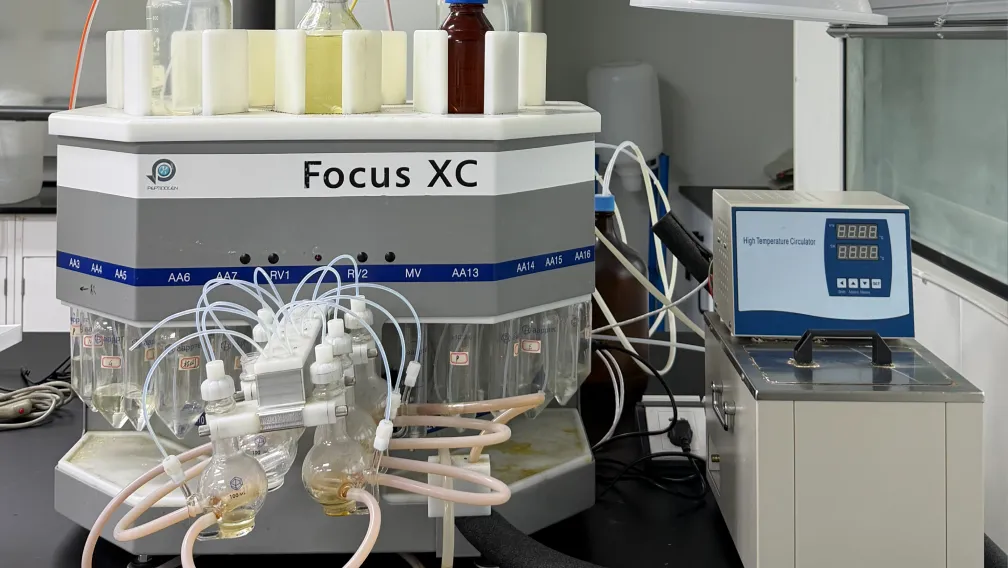
Lyophilization, or freeze-drying, is the universally adopted final unit operation in the manufacturing of synthetic peptide Active Pharmaceutical Ingredients (APIs). Because therapeutic peptides are inherently unstable in aqueous solutions, subjecting them to carefully controlled dehydration is mandatory to ensure long-term chemical and physical stability. However, the peptide lyophilization process is exceptionally complex, governing not merely the removal of solvent but the ultimate solid-state properties of the molecule. Precise engineering of the lyophilization cycle determines the final peptide moisture content, the macroscopic elegance of the lyophilized cake, and the reconstitution profile. For engineering teams and procurement officers engaged in large-scale peptide synthesis, understanding the thermodynamics of sublimation and desorption is critical. Inadequate cycle optimization routinely results in thermal degradation, batch rejection due to collapsed cakes, or unacceptable variations in net peptide content. This technical report dissects the physical chemistry of peptide freeze-drying, exploring how specific phase parameters dictate the stability, structure, and quality of the finished API.
Thermodynamic Fundamentals of the Peptide Lyophilization Process
The peptide lyophilization process operates on the principle of sublimation—the phase transition of water directly from a solid (ice) to a gas (vapor) without passing through the liquid phase. This is achieved by manipulating temperature and pressure below the triple point of water within a sealed vacuum chamber. The cycle is strictly divided into three distinct phases: freezing, primary drying, and secondary drying. Each phase requires rigorous parametric control to prevent structural collapse and minimize the generation of process-related drug peptide impurities.
Unlike small-molecule pharmaceuticals that readily form defined crystalline lattices, peptides typically freeze into an amorphous glass. The critical thermodynamic parameter defining this state is the glass transition temperature of the maximally freeze-concentrated solute ($T_{g}'$). If the product temperature exceeds $T_{g}'$ during the primary drying phase, the rigid amorphous matrix loses its structural integrity. The interstitial water becomes mobile, leading to macroscopic meltback or cake collapse. Consequently, identifying the exact $T_{g}'$ and the collapse temperature ($T_{c}$) via Differential Scanning Calorimetry (DSC) or Freeze-Drying Microscopy (FDM) is the foundational prerequisite for designing a viable lyophilization cycle.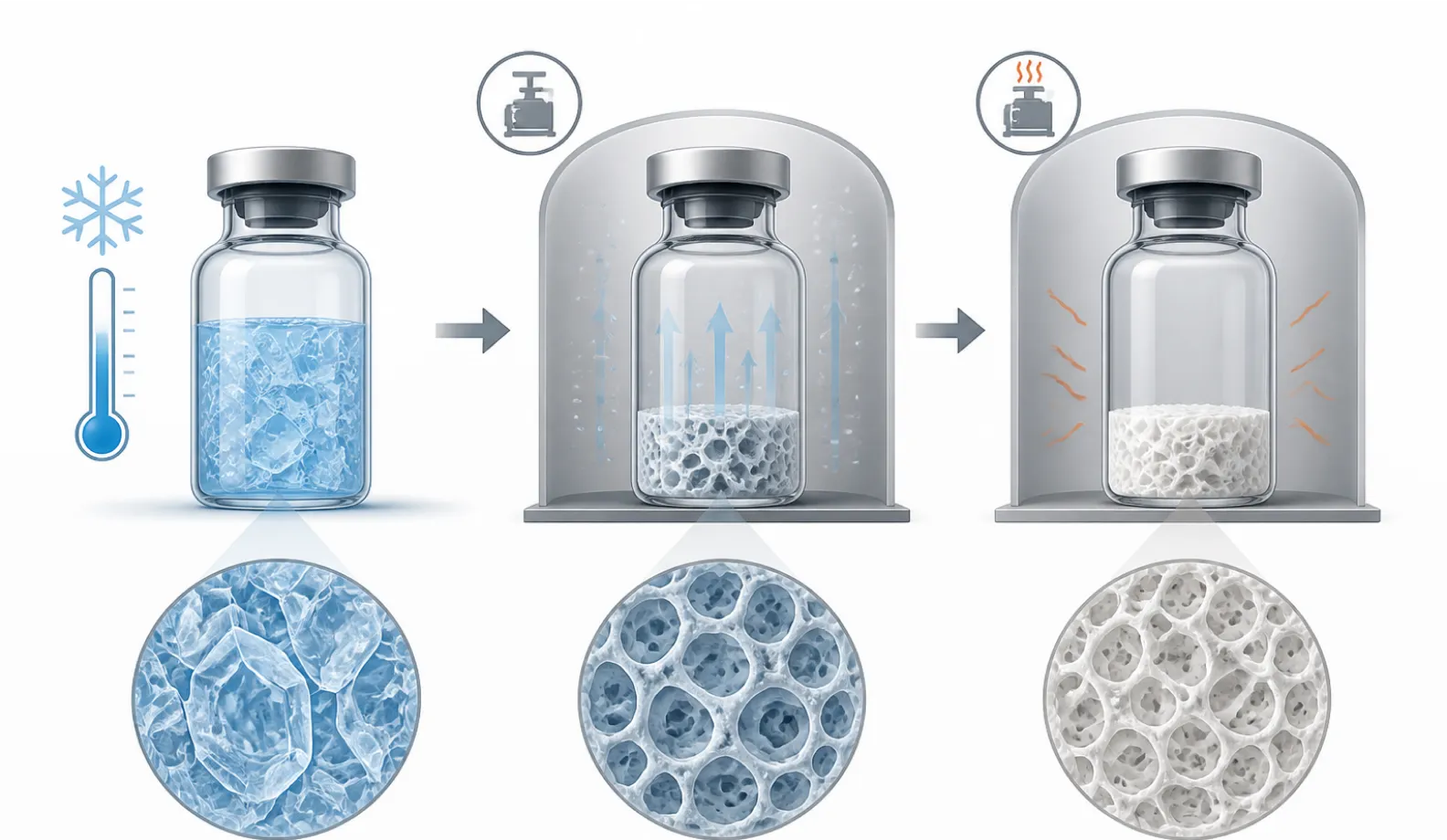
Phase 1: Freezing and Annealing Protocols
The freezing phase establishes the ice crystal morphology, which directly dictates the efficiency of the subsequent sublimation phases. When a purified peptide solution is cooled, ice nucleates and crystallizes, excluding the peptide and its associated counterions into an increasingly concentrated interstitial fluid until the mixture reaches its glass transition state.
A common operational error in early-phase development is employing excessively rapid freezing rates (e.g., plunging directly into liquid nitrogen). While rapid freezing minimizes solute segregation, it generates a high density of extremely small ice crystals. During primary drying, these microscopic crystals leave behind infinitesimally small pores in the peptide matrix, creating massive resistance to water vapor flow and drastically slowing the sublimation rate. To optimize porosity, industrial chemists utilize annealing—a process where the frozen product is temporarily held at a temperature above $T_{g}'$ but below the melting point. This thermal cycling promotes Ostwald ripening, allowing smaller ice crystals to fuse into larger ones, thereby creating wider sublimation channels and significantly accelerating the overall drying cycle.
Phase 2: Primary Drying and Sublimation Kinetics
Primary drying is the longest and most energy-intensive segment of the peptide lyophilization process. The objective is to remove all unbound (free) ice through sublimation. The chamber pressure is reduced below the vapor pressure of ice at the target product temperature, and thermal energy is supplied through the lyophilizer shelves to drive the phase change.
The driving force for sublimation is the pressure differential between the vapor pressure of the ice interface and the partial pressure of water in the chamber. The heat transfer rate ($dQ/dt$) must perfectly balance the mass transfer rate of the escaping vapor. If heat is applied too rapidly via aggressive shelf temperature ramping, the product temperature will exceed the collapse temperature ($T_{c}$), resulting in a destroyed batch. Conversely, overly conservative shelf temperatures lead to economically unviable cycle times lasting weeks.
Modern facilities producing drug peptides utilize Process Analytical Technology (PAT) to monitor primary drying endpoints. Comparative pressure measurement—utilizing both a Pirani gauge (which measures thermal conductivity dependent on gas composition) and a capacitance manometer (which measures absolute pressure independent of gas type)—provides a real-time assessment of sublimation. When the Pirani gauge reading drops and converges with the capacitance manometer, it indicates that water vapor has cleared the chamber, signaling the safe completion of primary drying.
Phase 3: Secondary Drying and Peptide Moisture Content
Once primary drying concludes, the peptide cake appears completely dry but still retains approximately 5% to 15% bound water trapped within the amorphous matrix through hydrogen bonding. Secondary drying, or desorption, aims to reduce this residual hydration to the target peptide moisture content. This is achieved by raising the shelf temperature (often to +20°C to +35°C) while maintaining maximum vacuum.
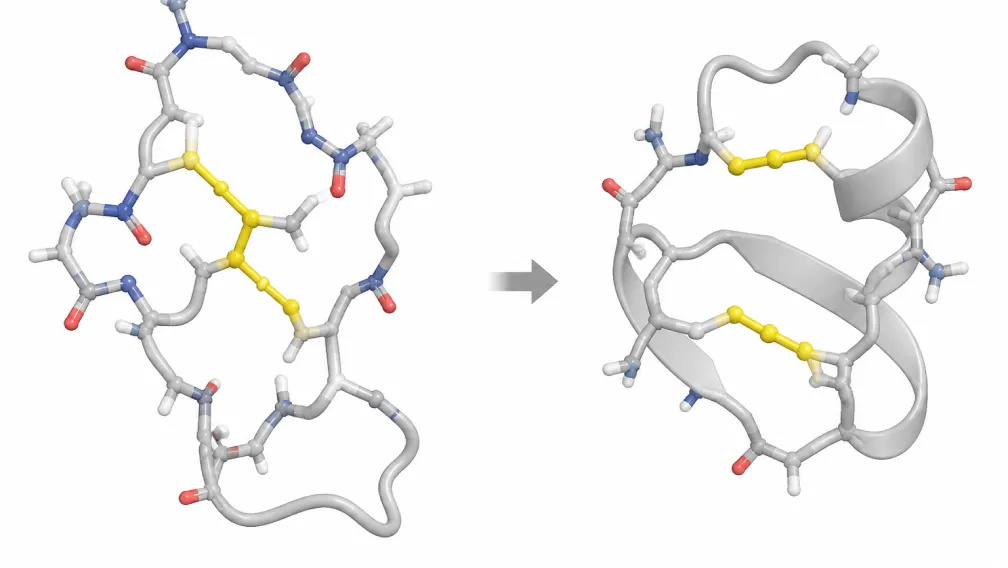
Controlling the final peptide moisture content is a delicate balancing act. Excessive residual moisture dramatically increases molecular mobility within the amorphous solid state, facilitating hydrolytic degradation, deamidation, and the formation of covalent aggregates during long-term storage. However, over-drying the peptide (driving moisture below 1%) can strip away essential structurally bound water molecules, leading to irreversible conformational shifts, physical denaturation, and poor solubility upon reconstitution.
For most pharmaceutical-grade peptides, an optimal moisture specification resides strictly between 3% and 8% by weight, verified via Karl Fischer titration or Thermogravimetric Analysis (TGA). Establishing this optimal target requires executing comprehensive forced degradation studies early in the development timeline to correlate specific moisture levels with real-time API stability profiles.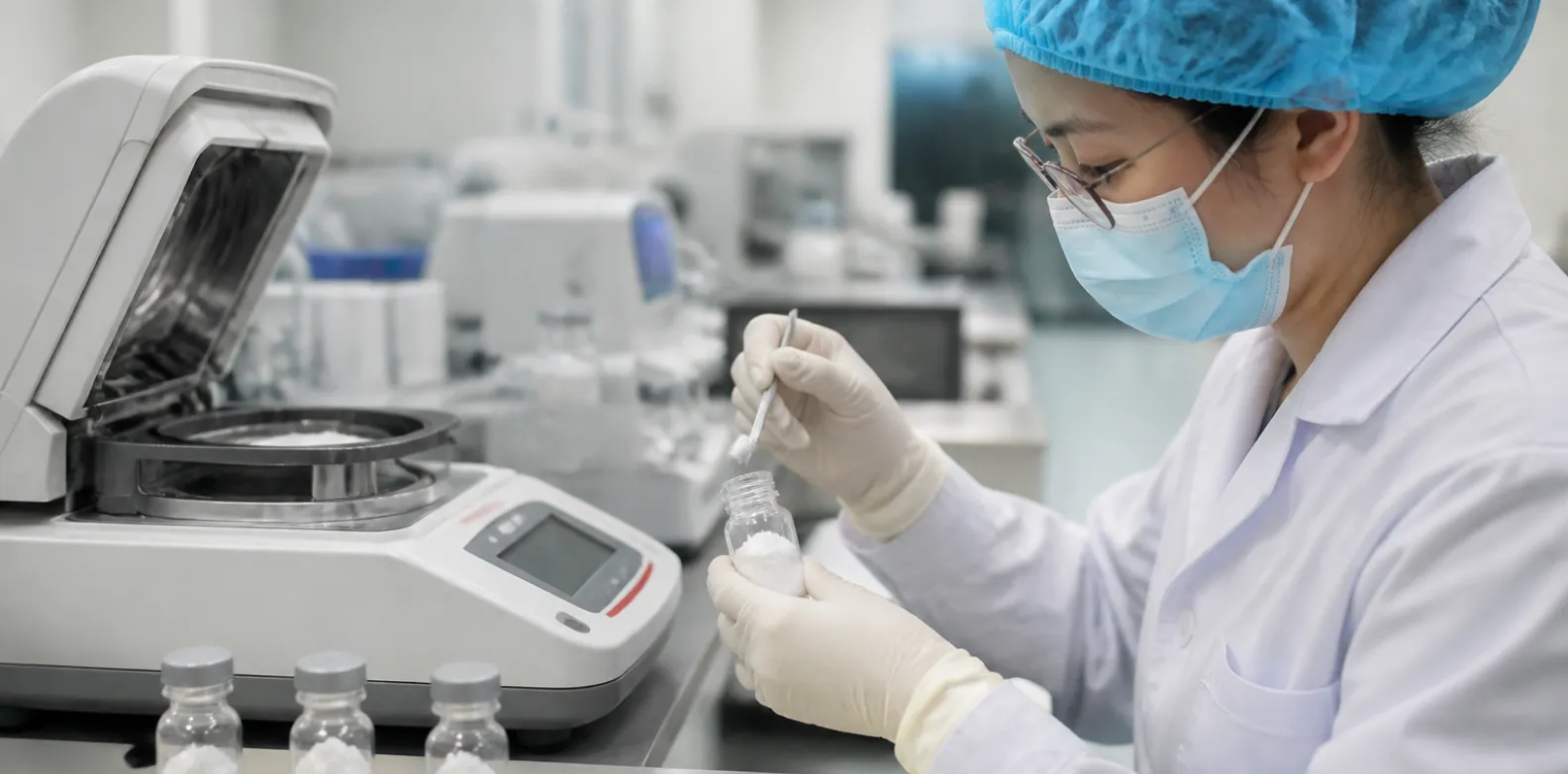
Counterion Effects on Hydration and Cake Elegance
The physical properties of the lyophilized peptide are heavily influenced by the counterion paired with the basic amino acid side chains during the final preparative HPLC salt exchange. Peptides are predominantly isolated as trifluoroacetate (TFA), acetate, or hydrochloride (HCl) salts.
TFA salts generally produce highly elegant, robust cakes that lyophilize rapidly due to the volatility of residual TFA. However, regulatory agencies strongly discourage TFA in human therapeutics due to potential toxicity. Transitioning to an acetate salt often alters the thermal properties of the solution. Acetate salts are significantly more hygroscopic and typically exhibit a lower $T_{g}'$, forcing formulators to run the primary drying cycle at much lower temperatures to prevent collapse. The presence of specific peptide modifications, such as PEGylation or lipid conjugation, further depresses the collapse temperature, mandating highly customized thermodynamic profiles to ensure structural preservation.
Scale-Up Dynamics and CDMO Integration
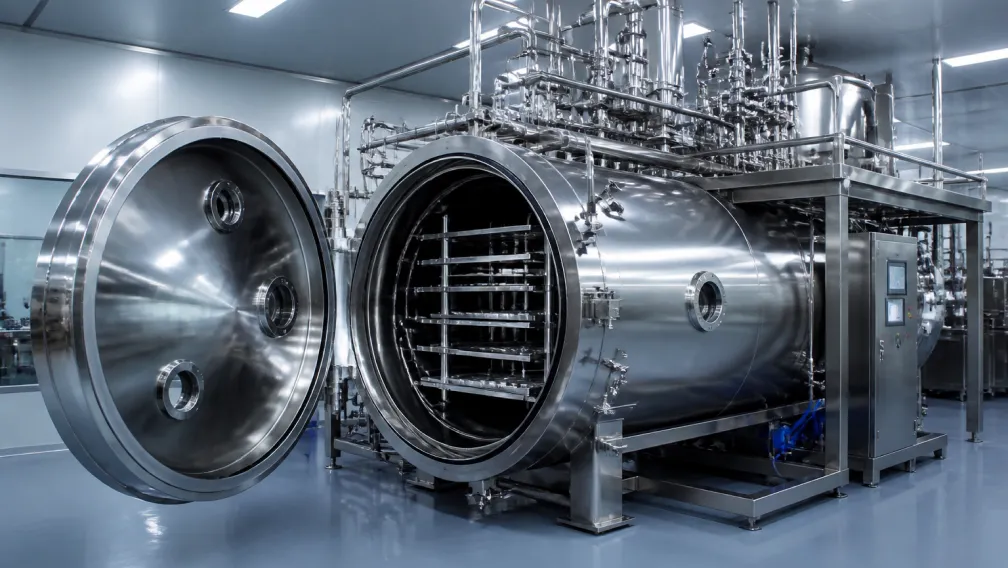
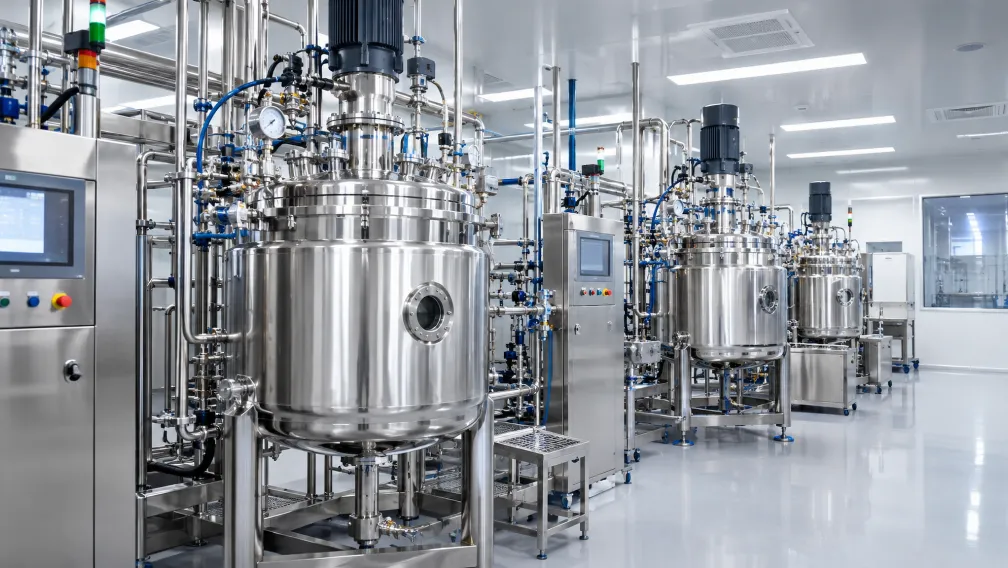
Transitioning a lyophilization cycle from a laboratory-scale manifold to a commercial freeze-dryer is rarely a linear calculation. Discrepancies in heat transfer coefficients ($K_{v}$) between lab glassware and commercial stainless-steel lyophilization trays cause significant variations in actual product temperatures. In bulk tray lyophilization, edge effects—where product at the perimeter of the tray receives radiative heat from the chamber walls—can cause localized melting while the center of the tray remains deeply frozen.
To navigate these scaling risks, generic sponsors and innovative biotechs must partner with an integrated peptide CDMO. A capable manufacturing partner will execute Quality by Design (QbD) principles, utilizing tunable diode laser absorption spectroscopy (TDLAS) and wireless product thermocouples to map the design space mathematically. By matching the heat transfer dynamics of the commercial equipment to the thermal boundaries of the specific peptide sequence, the CDMO ensures that metric-ton commercial batches yield identical moisture profiles to early clinical supplies.
Analytical Verification and API Release
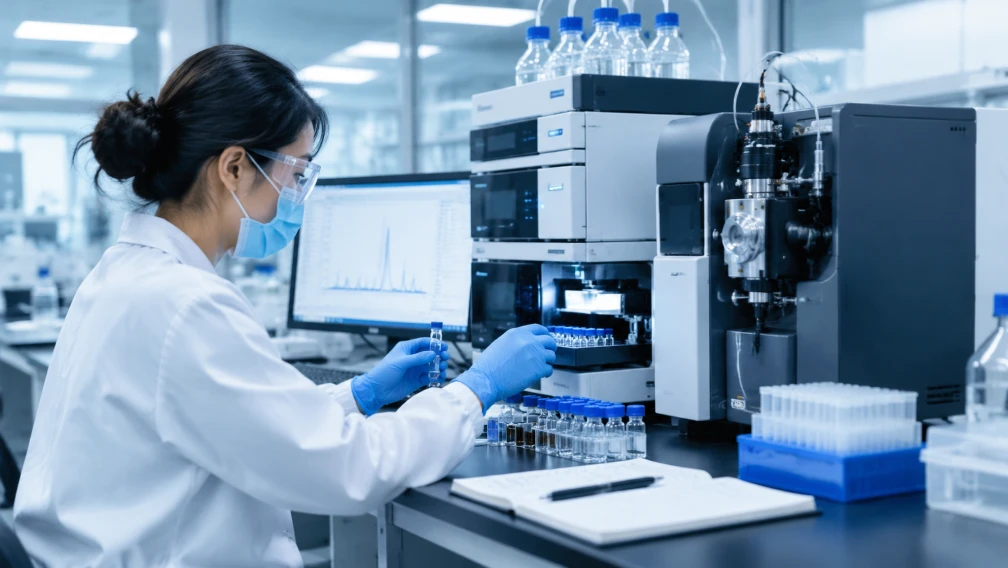
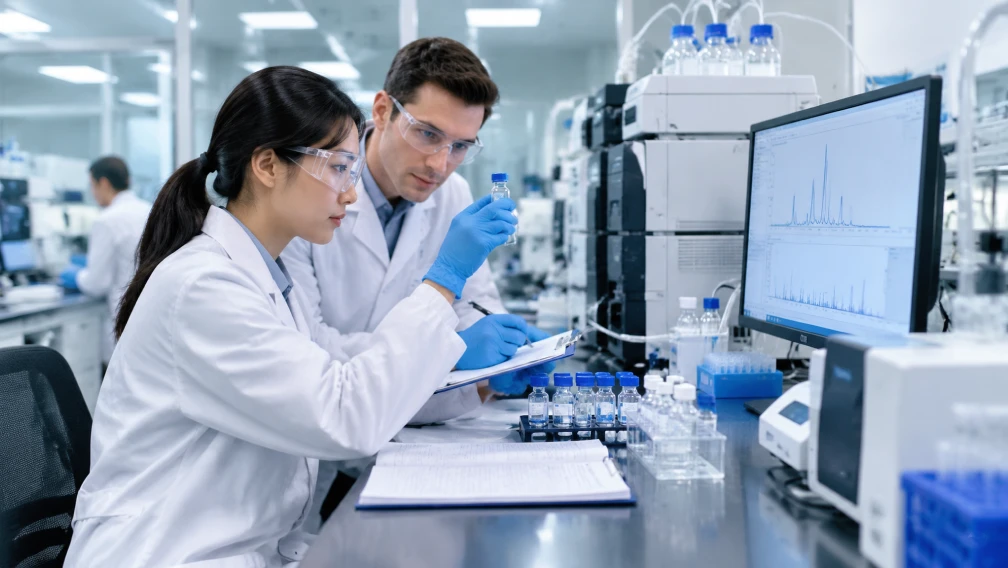
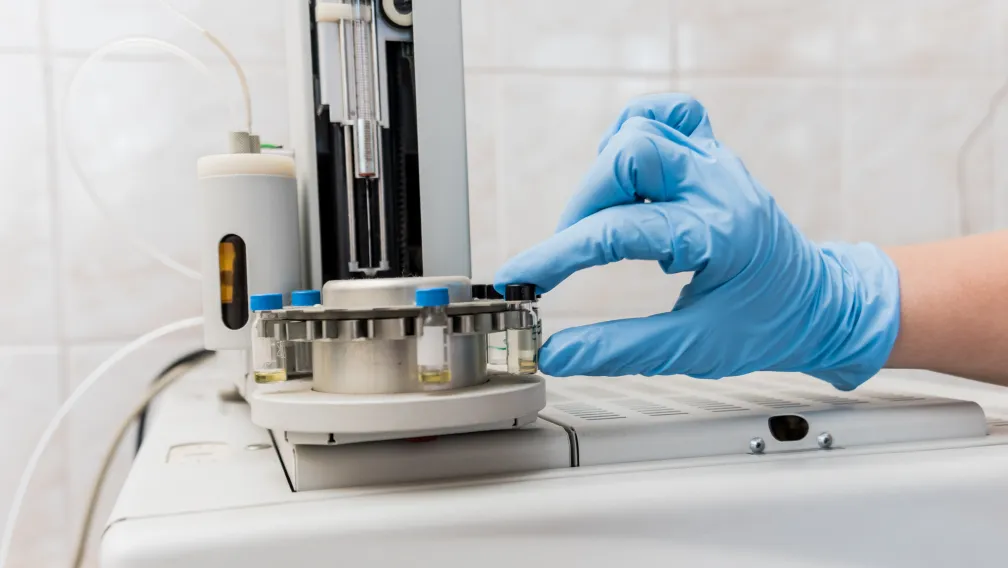
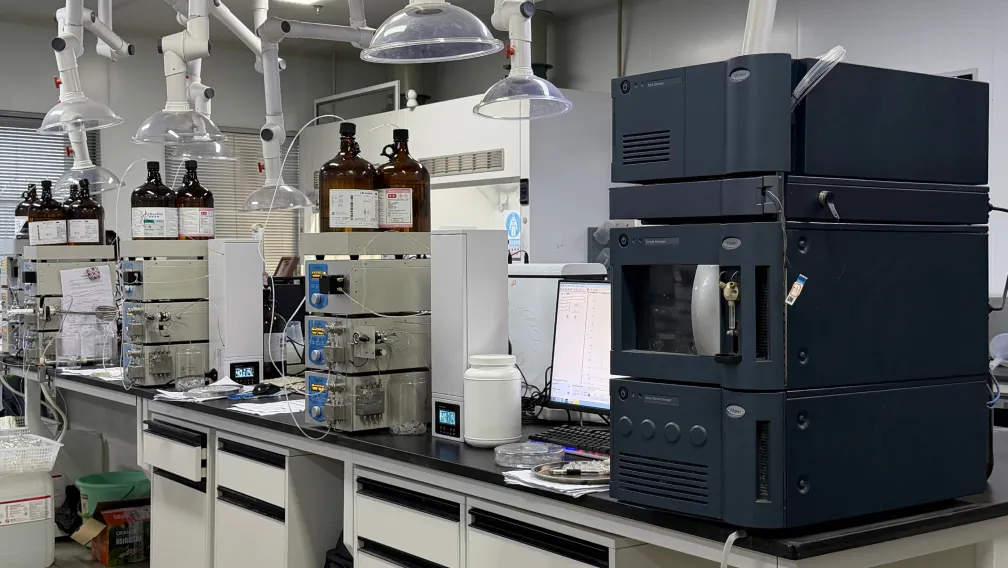
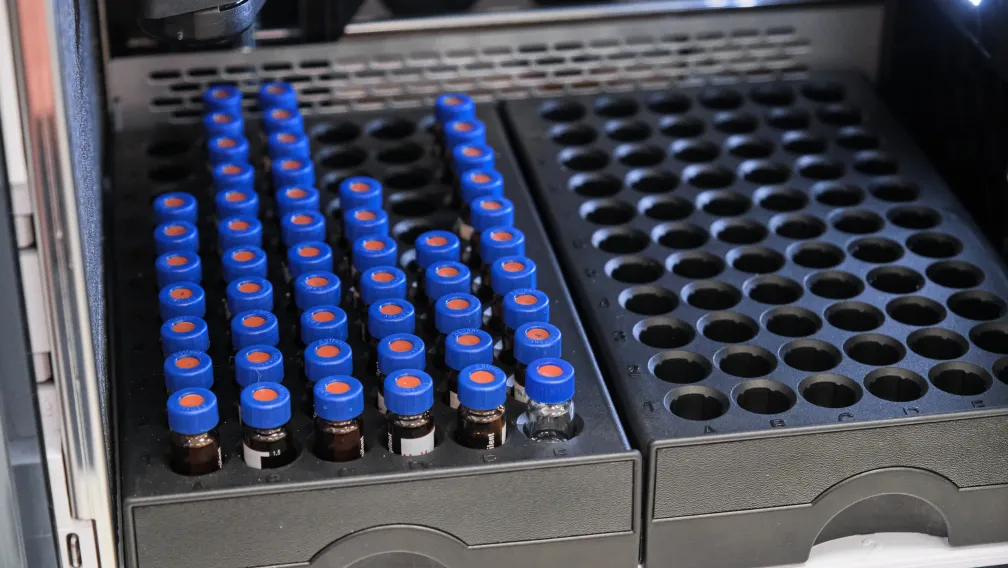
The release of a lyophilized peptide API requires rigorous analytical validation to prove that the thermal stress of the freeze-drying cycle did not induce chemical degradation. Quality control laboratories must execute validated RP-HPLC methods to compare the pre-lyophilization liquid pool against the reconstituted powder. Any increase in specific degradation peaks, such as aspartimide formation or oxidation, indicates thermal stress during the secondary drying ramp. Securing highly characterized peptide impurities reference standards is essential to quantify these process-induced variants accurately.
Through precise thermodynamic mapping, optimized annealing protocols, and stringent moisture control, pharmaceutical developers can master the peptide lyophilization process. Engaging with expert synthesis teams through custom peptide synthesis early in development allows for the seamless integration of downstream lyophilization parameters. We invite procurement teams to contact us to discuss how our advanced manufacturing infrastructure guarantees the physical elegance, chemical stability, and regulatory compliance of your commercial peptide APIs.
-

Synpeptide
peptide-focused CRO/CDMO company
The SynPeptide Research Team brings together scientists specializing in peptide synthesis, purification, and analytical characterization. Drawing on hands-on laboratory experience across custom and catalog peptides, the team shares evidence-based insights for researchers, formulators, and product developers. All content is reviewed against current scientific literature and internal quality-control data, reflecting SynPeptide's commitment to accuracy, reproducibility, and the responsible communication of peptide science.