
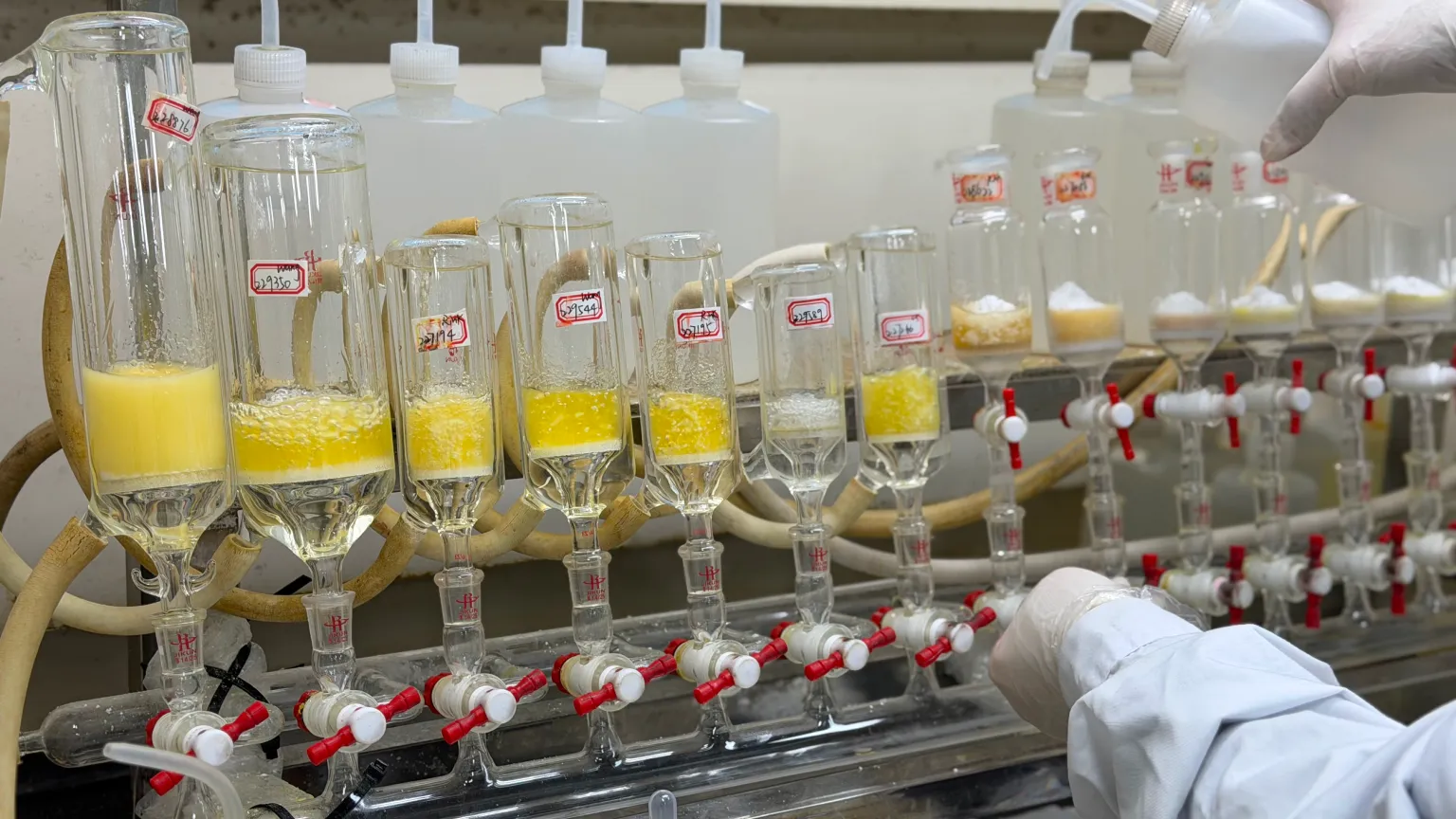
Our specialized solid-phase peptide synthesis (SPPS) platform produces sequence-specific substrate peptides designed around defined scissile bonds for proteases, peptidases, and kinases. Every target sequence is synthesized under strict stereochemical control and purified to target specifications (typically ≥95% or ≥98% via HPLC) with comprehensive LC-MS validation.
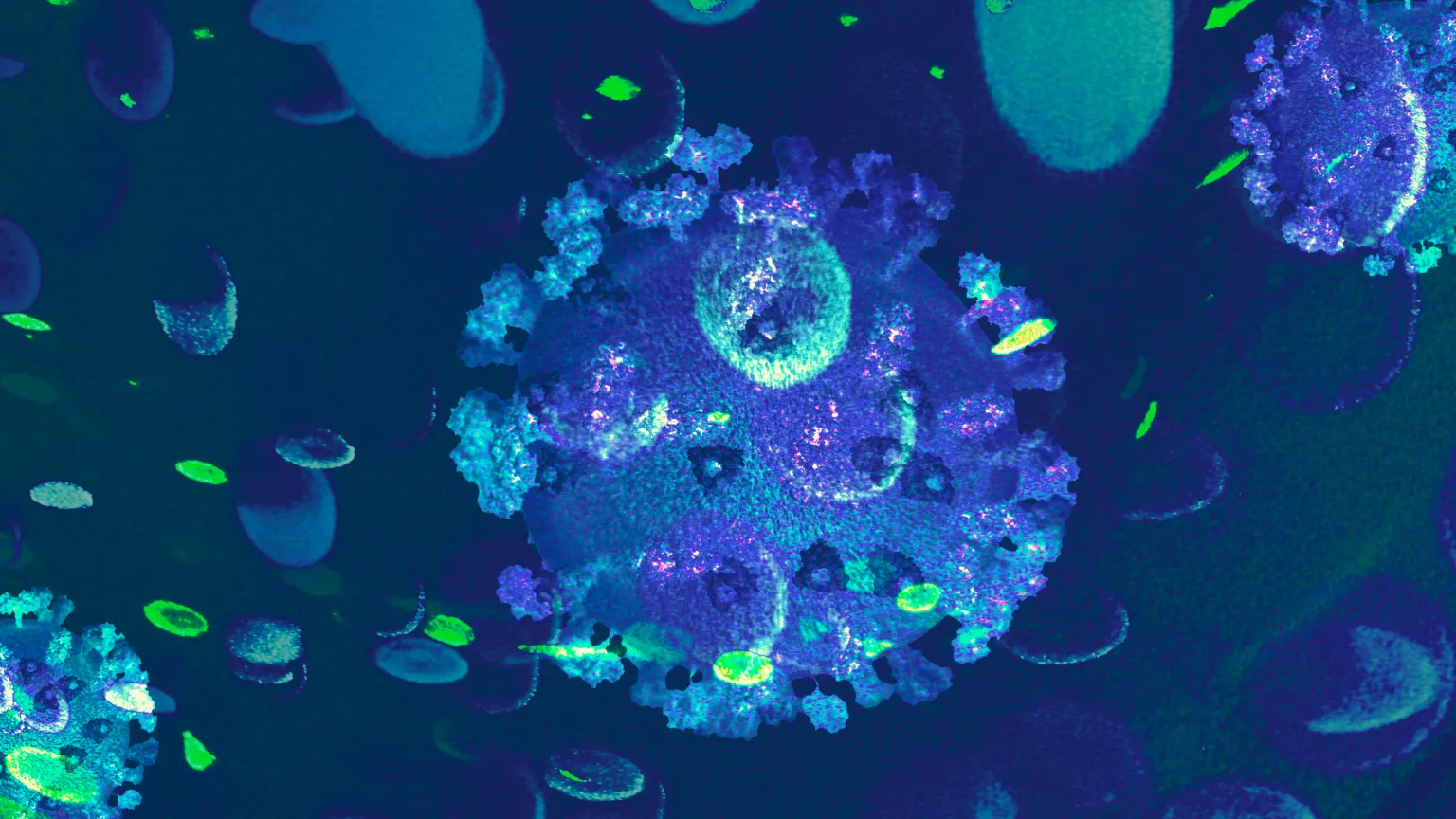
Enzymatic readout sensitivity relies on precise bioconjugation chemistries. Through our modification platform, we execute targeted conjugations of fluorophores (AMC, AFC), chromophores (pNA), FRET donor-quencher pairs (EDANS/DABCYL, MCA/DNP), phosphorylation site insertions, and biotinylation tags to ensure clean kinetic readouts with minimal steric interference.
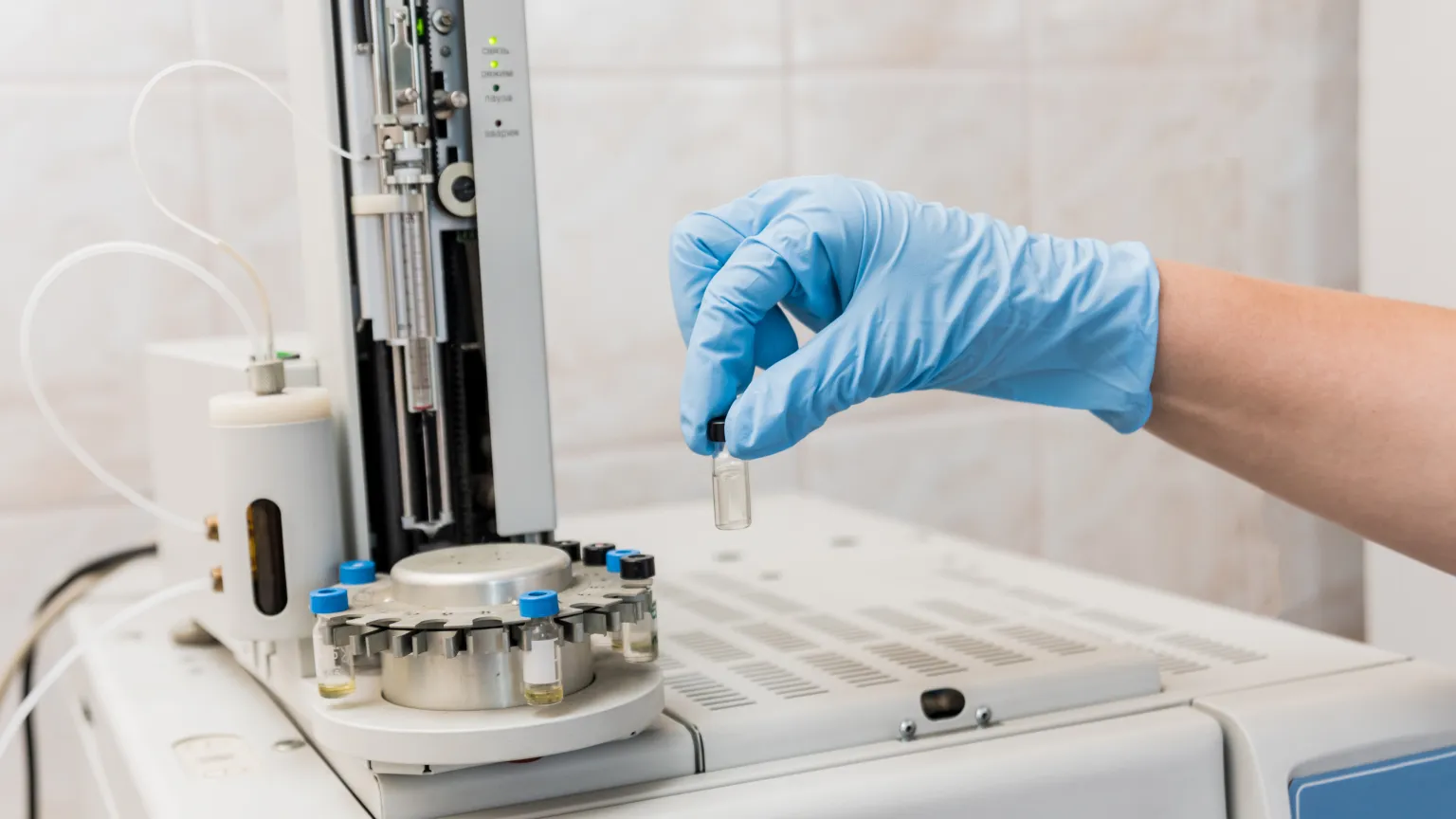
Operating high-capacity automated reactors and industrial preparative HPLC purification suites, our facilities scale substrate peptide manufacturing from milligram-level kinetic evaluation lots to multi-gram and kilogram commercial production for diagnostic kit assembly and high-throughput drug discovery screening.
Our platform synthesizes substrate peptides across all primary enzyme classes: serine proteases (trypsin, chymotrypsin, thrombin, factor Xa), cysteine proteases (caspases, cathepsins), aspartic and metalloproteases (BACE1, MMPs), exopeptidases (DPP-IV, aminopeptidases), and protein kinases requiring specific phospho-acceptor motifs.
Reporter selection is dictated by the assay format. Through our peptide modification services, we conjugate fluorophores (AMC, AFC) or chromophores (pNA) directly to the C-terminal carboxylate of the cleavage residue. For endopeptidases, we incorporate internally quenched FRET pairs (e.g., EDANS/DABCYL or Abz/Tyr(NO2)) flanking the scissile bond, ensuring zero baseline fluorescence until enzymatic cleavage occurs.
Every synthesized batch is released with a comprehensive Certificate of Analysis (COA), analytical RP-HPLC chromatograms verifying chemical purity, and electrospray ionization mass spectrometry (ESI-MS) confirming molecular identity. Quantitative assays for water content, counter-ion balance, and solubility parameters are provided per specification.
Yes. When targeting uncharacterized enzymes, our computational and synthesis teams evaluate consensus cleavage motifs from native substrate proteins. We design the optimal recognition sequence, select non-interfering spacers (such as beta-alanine or Ahx), and synthesize candidate substrate panels via custom peptide synthesis.
Through our large-scale peptide synthesis infrastructure, we transition substrates from exploratory milligram quantities to multi-kilogram production lots, employing automated synthesis skids, axial compression preparative HPLC columns, and industrial lyophilizers to ensure uniform lot-to-lot kinetics.
As a fully integrated peptide CDMO, we provide end-to-end technical support including kinetic parameter verification (Km, kcat), substrate stability testing, impurity profiling, and regulatory technical dossiers to streamline assay development and diagnostic kit commercialization.
Peptide substrates are synthetic peptide sequences engineered to serve as specific biological targets for enzymatic cleavage or modification. By incorporating reporter groups that undergo physical or spectrophotometric shifts upon enzymatic action, substrates translate molecular catalytic events into quantifiable signals: fluorescent emission, optical absorbance, or radiometric detection. For enzymologists, high-throughput screening teams, and diagnostic kit manufacturers, substrate specificity, chemical purity, and reliable signal-to-noise ratios are the primary determinants of assay accuracy.
Peptidases and proteases catalyze the hydrolysis of peptide bonds between amino acid residues. Each enzyme exhibits distinct substrate specificity dictated by the spatial and chemical architecture of its active-site binding pockets (subsites S4 to S4'), which accommodate corresponding substrate residues (P4 to P4'). An engineered peptide substrate replicates this optimal recognition sequence while positioning a reporter group adjacent to the scissile bond (between P1 and P1'), ensuring that the catalytic turnover mirrors natural cleavage kinetics.
The choice of reporter dictates the sensitivity and instrumental format of the enzymatic assay:
Designing substrate peptides requires overcoming sequence-dependent synthetic hurdles:
Through our dedicated peptide modification services, we incorporate non-standard spacers, PEG linkers, and hydrophobic fatty acyl modifications to optimize enzyme accessibility and assay compatibility. Furthermore, we synthesize deliberate degradation variants and truncated controls to serve as analytical reference standards for method validation.
Commercial in vitro diagnostic (IVD) manufacturing and automated pharmaceutical screening campaigns require consistent kilogram-scale substrate supplies with identical catalytic kinetics across production lots. Our large-scale peptide synthesis facilities manage commercial batch production via automated industrial reactors and high-capacity preparative HPLC systems. Integrated within our comprehensive peptide CDMO operations, we deliver complete regulatory technical packages, impurity characterization, and reliable batch-to-batch reproducibility for diagnostic and therapeutic developers worldwide.
Substrate peptides listed within this technical platform are supplied strictly as raw materials for laboratory research, assay development, and diagnostic kit manufacturing. They are not intended for human or veterinary clinical administration.


