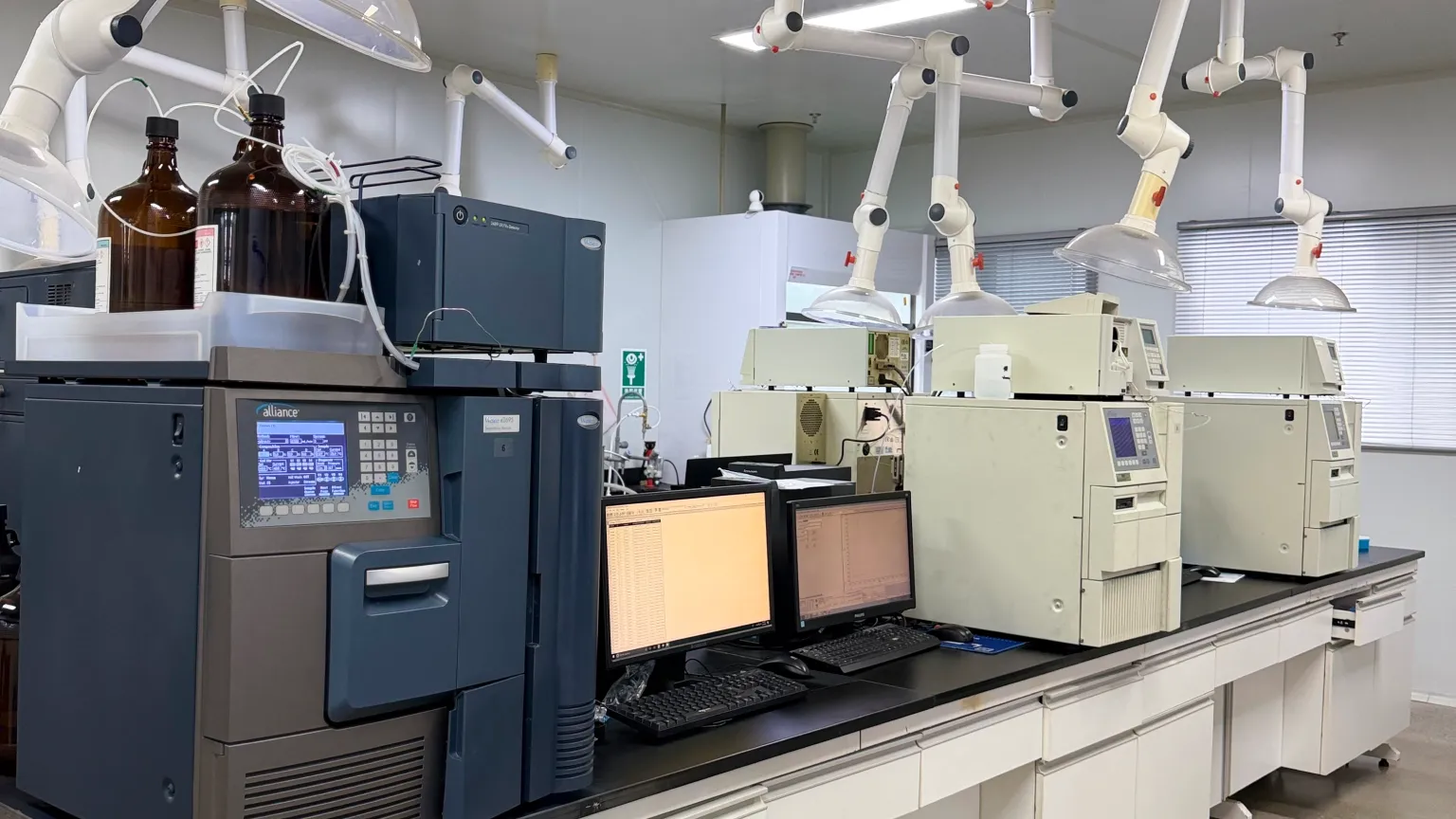
Our peptide synthesis platform produces complex therapeutic peptide sequences, from short peptidomimetics to long-chain linear and multi-disulfide scaffolds. Every sequence is synthesized under strict stereochemical control, delivering research-grade and API-grade raw materials with customizable purity up to ≥98% via analytical RP-HPLC.
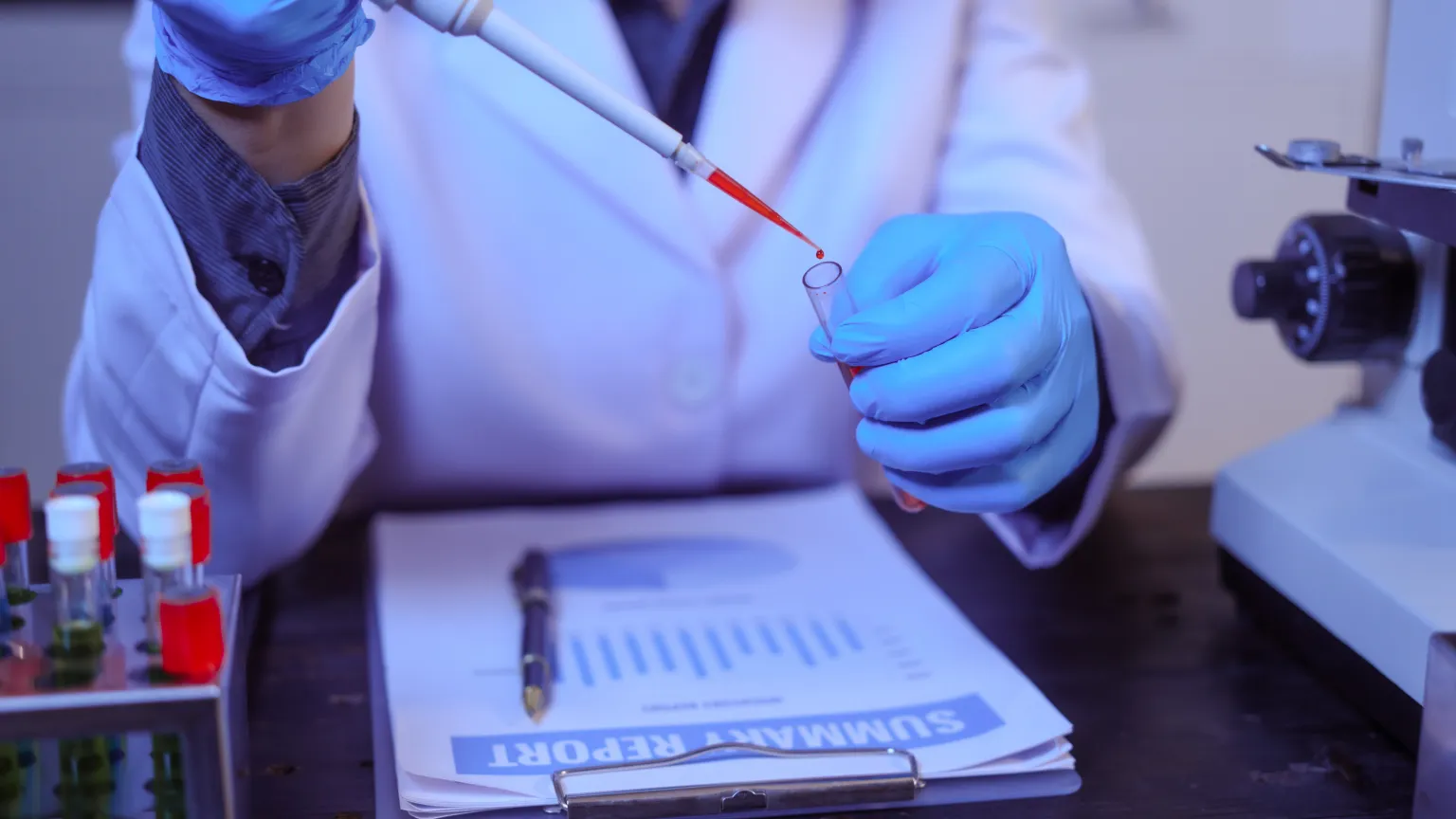
Overcoming metabolic instability requires sophisticated chemical engineering. Through our modification platform, we incorporate D-enantiomers, non-canonical amino acids, head-to-tail or disulfide cyclization, and stable isotope labeling (13C, 15N), while synthesizing deliberate degradation isomers as stability-indicating impurity standards.
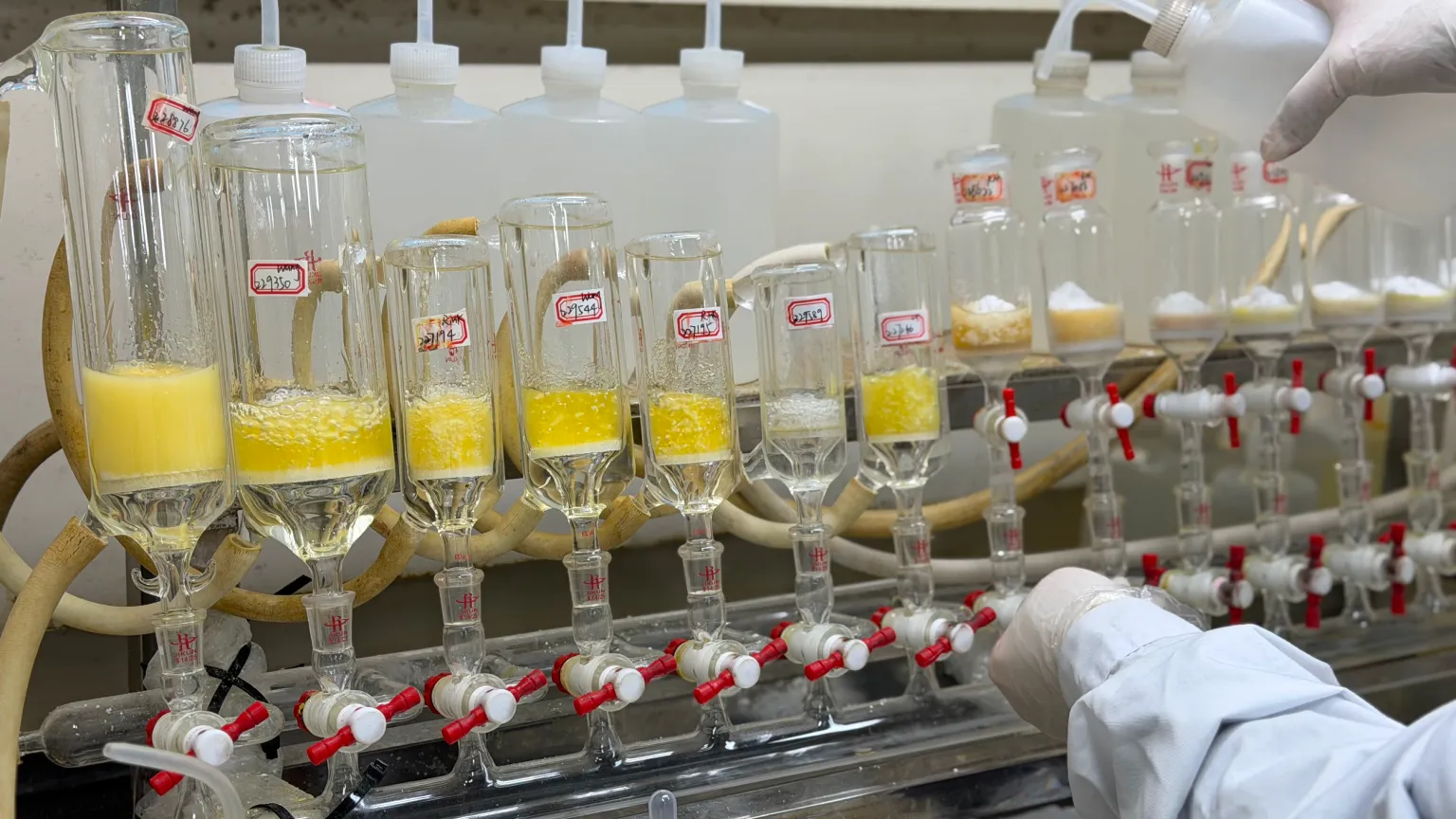
Operating industrial preparative HPLC systems and large-scale automated solid-phase reactors, our facilities scale therapeutic peptide candidates from milligram discovery quantities to multi-kilogram commercial production, complete with comprehensive analytical packages and regulatory documentation.
Our platform synthesizes all primary classes of therapeutic peptides, including incretin mimetics (GLP-1 analogues like Semaglutide and Exenatide), GnRH agonists and antagonists (Leuprolide, Goserelin, Cetrorelix), somatostatin analogues (Octreotide, Pasireotide), vasopressin analogues (Desmopressin, Terlipressin), and multi-disulfide peptides (Linaclotide, Ziconotide).
Native peptides suffer rapid enzymatic degradation in vivo. Our peptide modification services engineer enhanced metabolic resistance through D-amino acid substitution, N-terminal acylation, C-terminal amidation, backbone N-methylation, and covalent cyclization (disulfide or thioether bridges) to extend circulating half-life.
Yes. Regulatory validation requires the characterization of all related substances. We deliberately synthesize known degradation variants, such as beta-aspartyl isomers, deamidated species, methionine sulfoxides, and truncated deletion sequences, providing certified reference standards for stability-indicating analytical assays.
Every synthesized batch is released with a comprehensive Certificate of Analysis (COA), analytical RP-HPLC chromatograms verifying purity, and electrospray mass spectrometry (ESI-MS) confirming molecular identity. Additional testing for water content (Karl Fischer), counter-ion quantification (acetate/TFA), and residual solvents is available upon request.
Through our large-scale peptide synthesis infrastructure, we transition candidates seamlessly from milligram-scale screening lots to multi-kilogram commercial batches, optimizing coupling kinetics, solvent consumption, and preparative HPLC purification under strict quality controls.
No. All drug peptide materials synthesized within our facilities are supplied strictly as raw materials for laboratory research, analytical method validation, and licensed pharmaceutical formulation. They are not finished pharmaceuticals and are not supplied for human or veterinary administration.
Therapeutic peptides, or drug peptides, represent a clinically vital class of pharmaceutical agents occupying the structural space between small-molecule chemical entities and large biologic proteins. By mimicking natural hormones, neurotransmitters, and antimicrobial factors, therapeutic peptides exhibit high target specificity and potent biological activity with minimal non-specific toxicity. For biopharmaceutical sponsors and drug discovery teams, achieving reproducible solid-phase synthesis, overcoming metabolic instability, and scaling up complex sequences remain the core technical challenges.
Peptide therapeutics are categorized primarily by target receptor family and therapeutic indication:
Linear peptide sequences composed solely of natural L-amino acids are rapidly cleaved by circulating proteases. Through our custom peptide synthesis and specialized peptide modification services, we implement rational chemical strategies to prolong in vivo exposure: D-enantiomer substitution, terminal capping (N-acetylation, C-amidation), PEGylation, fatty acid conjugation (lipidation), and unnatural amino acid incorporation. These modifications alter conformational flexibility and protect vulnerable scissile bonds from proteolytic cleavage.
International regulatory guidelines (such as ICH Q3A/B and USP monographs) mandate rigorous identification and quantification of all process-related and degradation impurities in peptide APIs. Standard analytical HPLC cannot always resolve closely related isomers. Our analytical teams specialize in the intentional synthesis and characterization of critical impurity reference standards, including diastereomers, beta-aspartyl rearrangement products, deamidated species, and deletion fragments, enabling pharmaceutical partners to validate stability-indicating release assays.
Translating an active peptide from initial lead optimization into multi-gram and kilogram commercial supply demands rigorous chemical engineering. Downstream challenges—such as aggregation during cleavage, low solubility during purification, and counter-ion control—must be addressed systematically. Operating automated industrial synthesizers, continuous-flow concentration systems, and preparative HPLC columns up to 300 mm ID, our large-scale peptide synthesis facilities manage commercial supply chains. Integrated within our comprehensive peptide CDMO operations, we provide full regulatory support, analytical validation, and robust batch-to-batch reproducibility for clinical-stage and commercial pharmaceutical innovators.


