
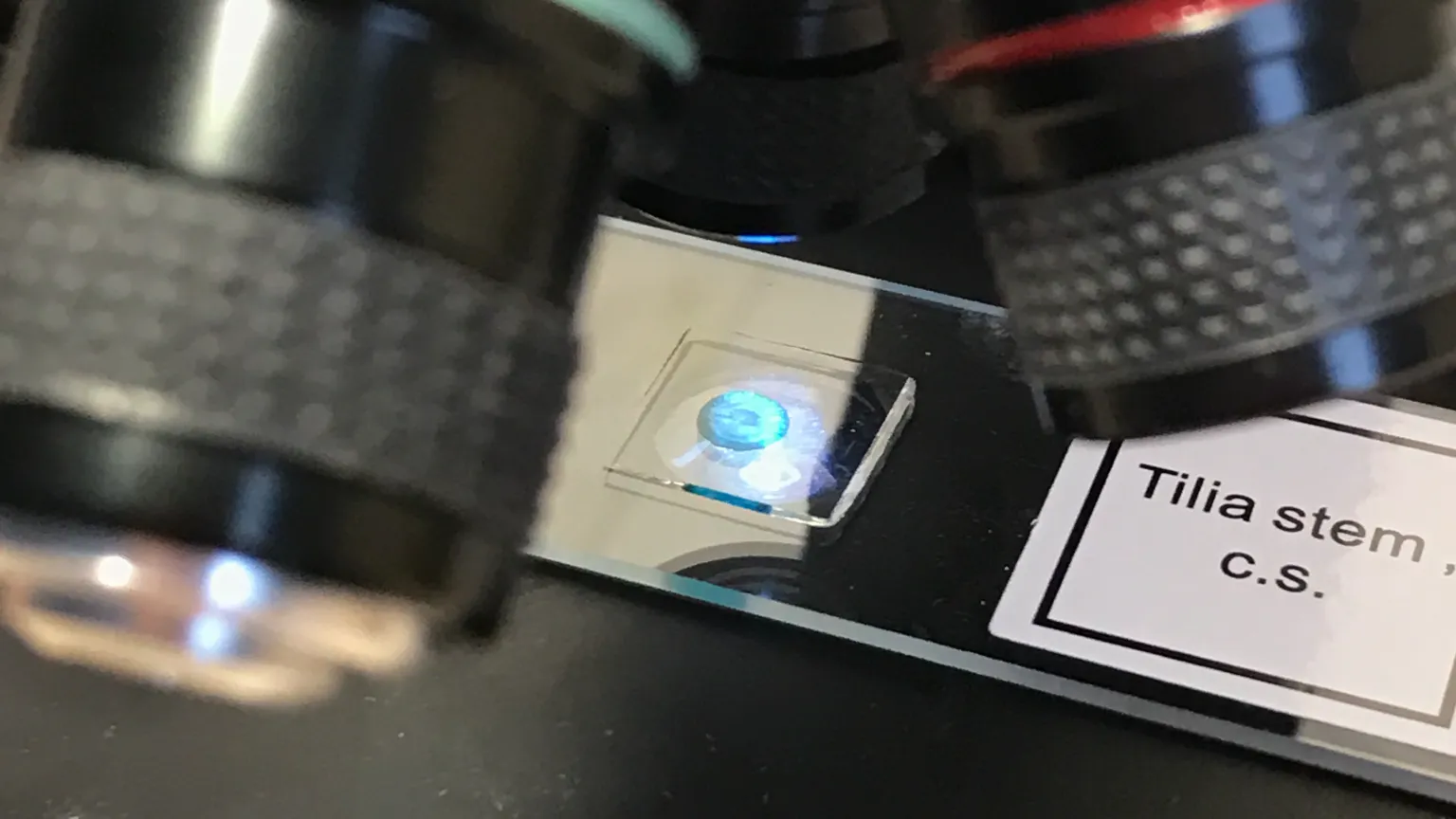
Our dedicated solid-phase peptide nucleic acid synthesis platform utilizes high-coupling-efficiency monomer chemistries to assemble sequence-defined PNA oligomers. Synthesized with neutral N-(2-aminoethyl)glycine backbones, every batch is purified via reversed-phase HPLC to rigorous specifications (typically ≥95% or ≥98%) and validated by electrospray ionization mass spectrometry (ESI-MS).
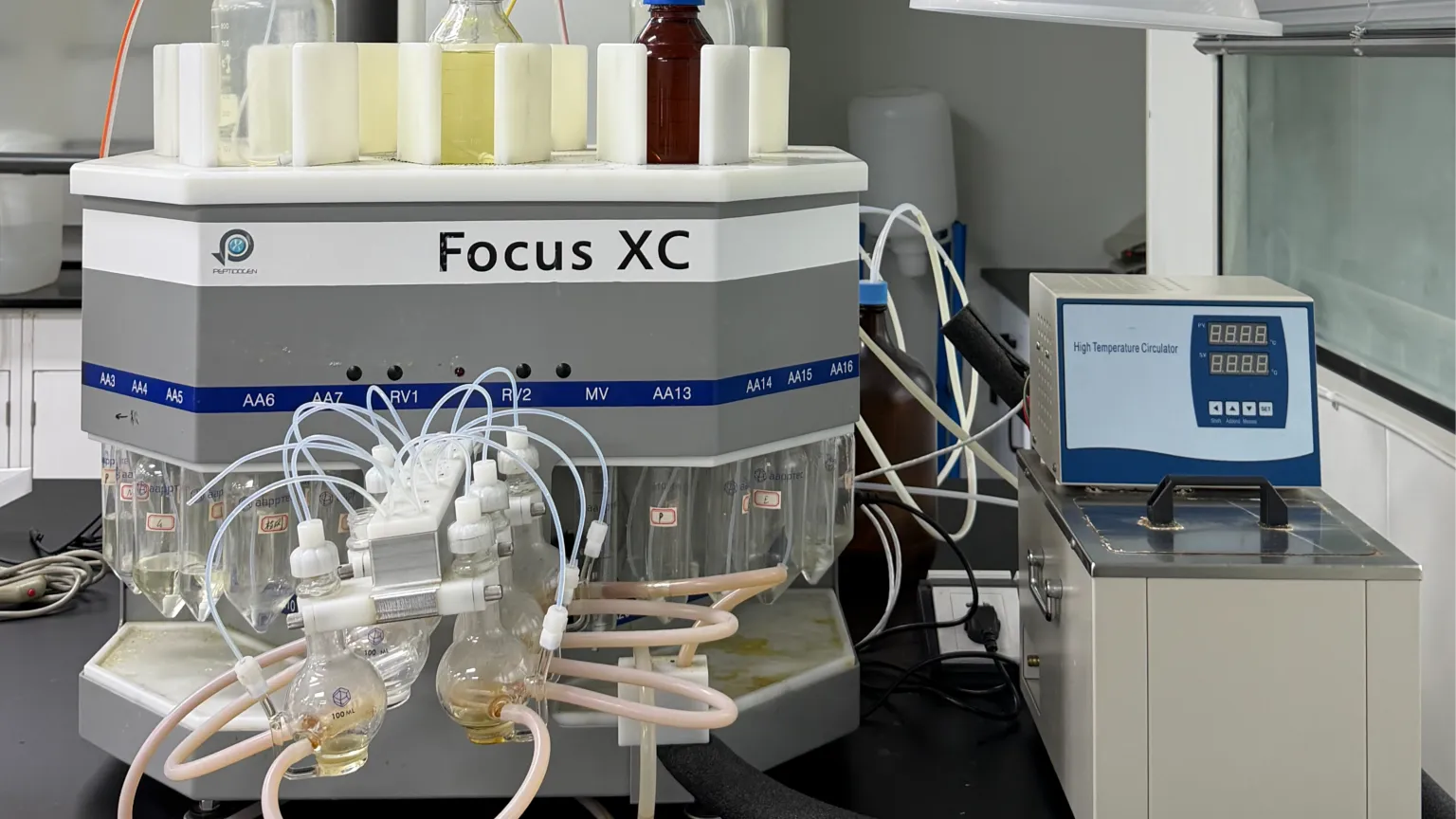
Functional diagnostic and therapeutic assays require targeted chemical functionalization. Through our specialized modification platform, we engineer terminal fluorescent tags (FAM, Cy3, Cy5, Texas Red), biotinylation, PEG spacers, and direct in-line conjugation with cell-penetrating peptides (CPPs) to ensure cellular internalization and minimal steric interference.
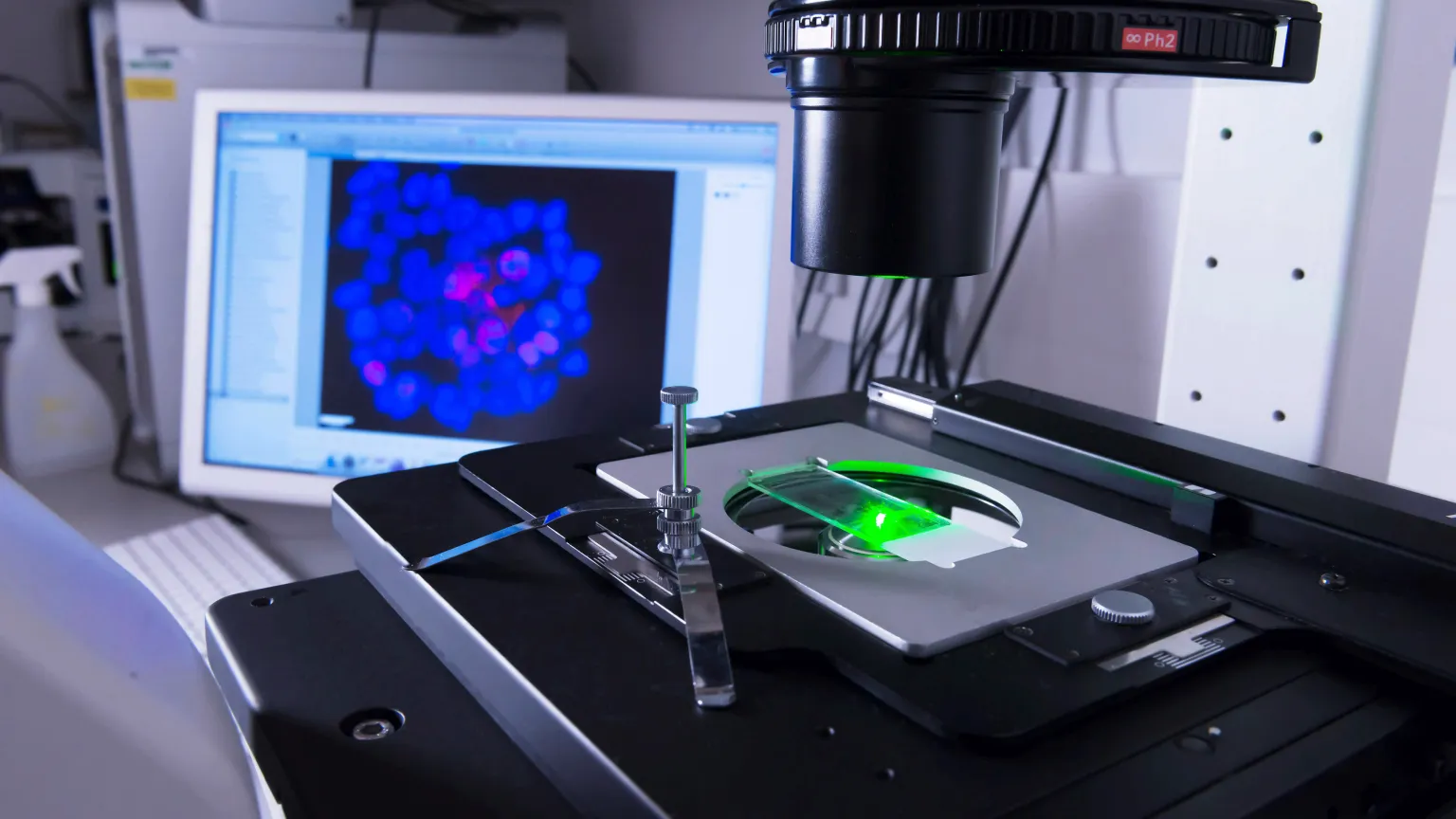
Equipped with automated multi-channel synthesizers and industrial preparative HPLC purification columns, our facilities support PNA production from exploratory milligram quantities to multi-gram and commercial scale. We deliver exceptional batch-to-batch reproducibility, complete analytical dossiers, and regulatory documentation for global IVD and biotech partners.
Our platform synthesizes diverse PNA constructs: linear PNA oligomers, fluorescent PNA-FISH probes, PCR clamping oligos for oncogenic mutation detection, antisense and antigene PNA regulators, microRNA (antagomir) inhibitors, and peptide-PNA conjugates tailored for cellular uptake.
PNA replaces the negatively charged sugar-phosphate backbone with uncharged N-(2-aminoethyl)glycine units linked by peptide bonds. The lack of electrostatic repulsion yields superior binding affinity (higher melting temperatures, Tm), sharper single-base mismatch discrimination, and complete stability against nucleases and proteases.
Every custom PNA batch ships with a comprehensive Certificate of Analysis (COA), analytical RP-HPLC chromatograms confirming chemical purity, and electrospray ionization mass spectrometry (ESI-MS) validating sequence identity. Additional assays for optical density, moisture, and counter-ion content are available upon request.
Because neutral PNA poorly crosses lipid bilayers, our peptide modification services execute continuous solid-phase conjugation with cell-penetrating peptides (e.g., Tat, Poly-Arg, Penetratin). We introduce flexible spacers (such as Ahx or O-linkers) to preserve independent peptide translocation and PNA hybridization.
Through our large-scale peptide synthesis infrastructure, we transition PNA constructs from milligram-scale assay development to multi-hundred-gram commercial manufacturing, optimizing coupling protocols, cleavage regimes, and preparative HPLC purification under strict quality controls.
As a fully integrated peptide CDMO, we provide end-to-end technical support including sequence design optimization, solubility enhancement, impurity profiling, analytical method validation, and regulatory documentation for molecular diagnostic kit manufacturers and clinical-stage oligonucleotide programs.
Peptide nucleic acids (PNAs) represent a transformative class of synthetic DNA/RNA mimics wherein the canonical negatively charged phosphodiester sugar backbone is replaced by an uncharged repeating N-(2-aminoethyl)glycine polymer linked by amide bonds. By positioning natural purine and pyrimidine nucleobases via methylene carbonyl linkages at precise stereochemical distances, PNA hybridizes to complementary DNA and RNA targets strictly following Watson-Crick and Hoogsteen base-pairing rules. For diagnostic assay developers, genomic researchers, and biopharmaceutical teams, PNA offers exceptional binding thermodynamics and enzymatic resilience inaccessible to standard oligonucleotides.
The uncharged structural framework of PNA imparts distinct biochemical properties compared to native nucleic acids:
PNA constructs serve as vital tools across molecular genetics and oligonucleotide drug development:
Despite peptide-like coupling chemistry, solid-phase PNA synthesis presents specific operational challenges. Protected PNA monomers exhibit higher steric hindrance and propensity for intramolecular cyclization than canonical amino acids. Furthermore, purine-rich PNA sequences are prone to self-aggregation and low aqueous solubility. Our custom peptide synthesis platform counteracts these limitations by optimizing low-loading solid supports, incorporating flanking hydrophilic residues (such as L-lysine or D-lysine caps), and introducing PEG or AEEA spacers. Through our peptide modification services, we incorporate fluorophores (FAM, Cy3, Cy5), biotin, and in-line cell-penetrating peptides (CPPs) to address intracellular delivery barriers.
Commercialization of PNA-based diagnostics and clinical therapeutics requires scaling up synthesis from milligram exploratory batches to commercial lot production. Our large-scale peptide synthesis facilities utilize automated synthesizer skids, high-resolution preparative HPLC columns, and controlled lyophilization suites to ensure high purity and homogeneous product lots. Integrated within our comprehensive peptide CDMO infrastructure, Synpeptide delivers analytical method validation, detailed impurity profiling, and complete technical packages to accelerate client programs from target validation to market release.
Peptide nucleic acid materials described in this technical reference are supplied strictly as raw materials for laboratory research, assay validation, and diagnostic kit manufacturing. They are not intended for human or veterinary clinical administration.


