

Our specialized solid-phase peptide synthesis (SPPS) platform delivers sequence-exact cosmetic peptides, ranging from short signal motifs to sterically hindered cyclic architectures. Every target sequence is synthesized under strict stereochemical control and purified to target specifications (typically ≥95% or ≥98% via HPLC) with comprehensive LC-MS validation.
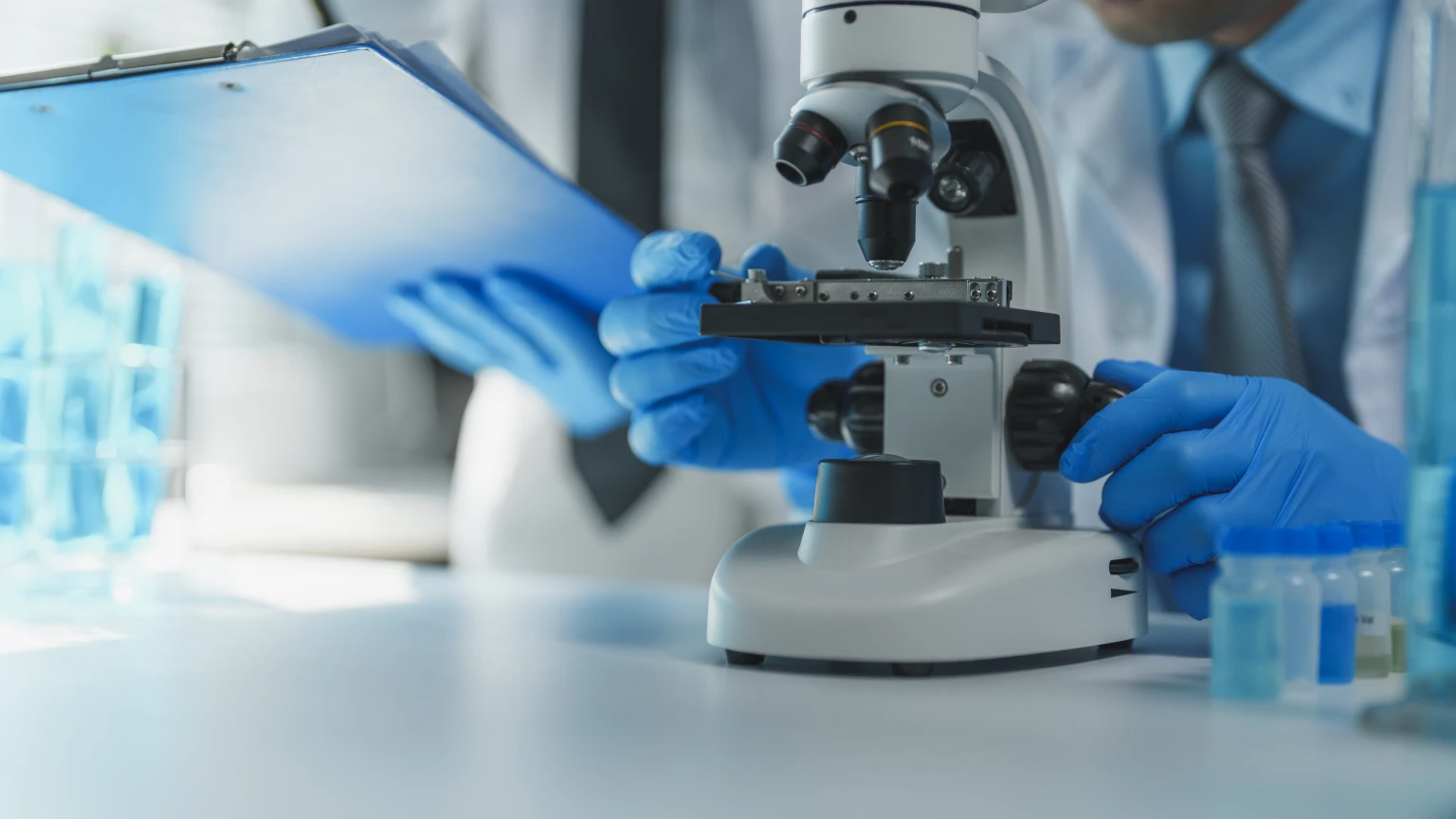
Cutaneous bioavailability requires rational molecular engineering. Through our modification platform, we execute targeted N-terminal acylations (including palmitoylation and myristoylation), stable metal coordination (such as Copper Tripeptide-1), and conformational constraints to enhance stability against dermal proteases and improve transdermal flux.

Operating high-capacity automated reactors and industrial preparative HPLC purification columns, our facilities scale cosmetic peptide manufacturing from gram-level R&D batches to multi-kilogram commercial lots. We ensure robust batch-to-batch reproducibility, controlled counter-ion profiles, and comprehensive regulatory documentation.
Our platform synthesizes all primary functional classes of cosmetic peptides: signal peptides (e.g., Palmitoyl Pentapeptide-4, Palmitoyl Tripeptide-1), neurotransmitter-inhibiting sequences (e.g., Acetyl Hexapeptide-8, Acetyl Octapeptide-3), carrier peptides (e.g., Copper Tripeptide-1), and enzyme-inhibiting analogs. We support both established catalog sequences and novel structural derivatives.
To overcome the stratum corneum barrier, our peptide modification services engineer lipophilic conjugates, such as palmitoyl or myristoyl acyl chains, which substantially increase cutaneous absorption. We also employ terminal capping and cyclization to suppress proteolytic degradation in topical formulations.
Every synthesized batch is released with a comprehensive Certificate of Analysis (COA), analytical RP-HPLC chromatograms verifying chemical purity, and electrospray mass spectrometry (ESI-MS) confirming molecular identity. Quantitative assays for moisture content, counter-ion identity, and heavy metals are performed per specification.
Through our large-scale peptide synthesis infrastructure, we transition targets seamlessly from exploratory milligram quantities to multi-kilogram commercial production, utilizing automated synthesis skids, continuous-flow concentration systems, and industrial lyophilization suites.
Yes. Via our custom peptide synthesis platform, we synthesize non-catalog proprietary sequences, complex multi-peptide blends, and modified variants tailored to client-specified biological targets and formulation matrices.
As a fully integrated peptide CDMO, we supply complete technical files, verified primary sequences, standardized INCI alignment, stability-indicating HPLC assay methods, and safety documentation to streamline regulatory review and formulation integration.
Cosmetic peptides represent a foundational class of bioactive messengers engineered to modulate biochemical cascades within the cutaneous tissue. Their short amino acid sequences allow formulators to target cellular pathways within the epidermis and upper dermis, stimulating matrix regeneration, relaxing localized neuromuscular tension, and enhancing tissue repair. For cosmetic developers and pharmaceutical skincare brands, navigating sequence selection, chemical stability, transdermal transport, and scalable synthesis represents the primary technical criteria for commercial success.
Active cosmetic peptides are categorized by their specific mode of physiological action in cutaneous tissue:
Key cosmetic peptides utilized across dermatological R&D include:
Because hydrophilic peptide backbones face poor penetration across the lipophilic stratum corneum, strategic chemical engineering is required. Our peptide modification services provide terminal N-acylation using fatty acids (e.g., palmitic or myristic acid), yielding amphiphilic lipopeptides that partition efficiently into lipid bilayers. Furthermore, peptides in aqueous topical formulations are vulnerable to deamidation (at Asn/Gln sites), aspartimide rearrangement, and oxidation of methionine or tryptophan residues. We assist formulators in selecting optimal counter-ions, buffer regimes, and protective packaging strategies to preserve peptide integrity throughout product shelf life.
Synthesizing cosmetic peptides at commercial scale demands reproducible solid-phase protocols and rigorous downstream processing. Our custom peptide synthesis platform accommodates client-specific sequences, while our large-scale peptide synthesis facilities manage metric multi-kilogram production. Integrated within our full peptide CDMO operations, we supply high-purity active raw materials accompanied by comprehensive analytical dossiers, impurity tracking, and regulatory support for global cosmetic brand developers.


