
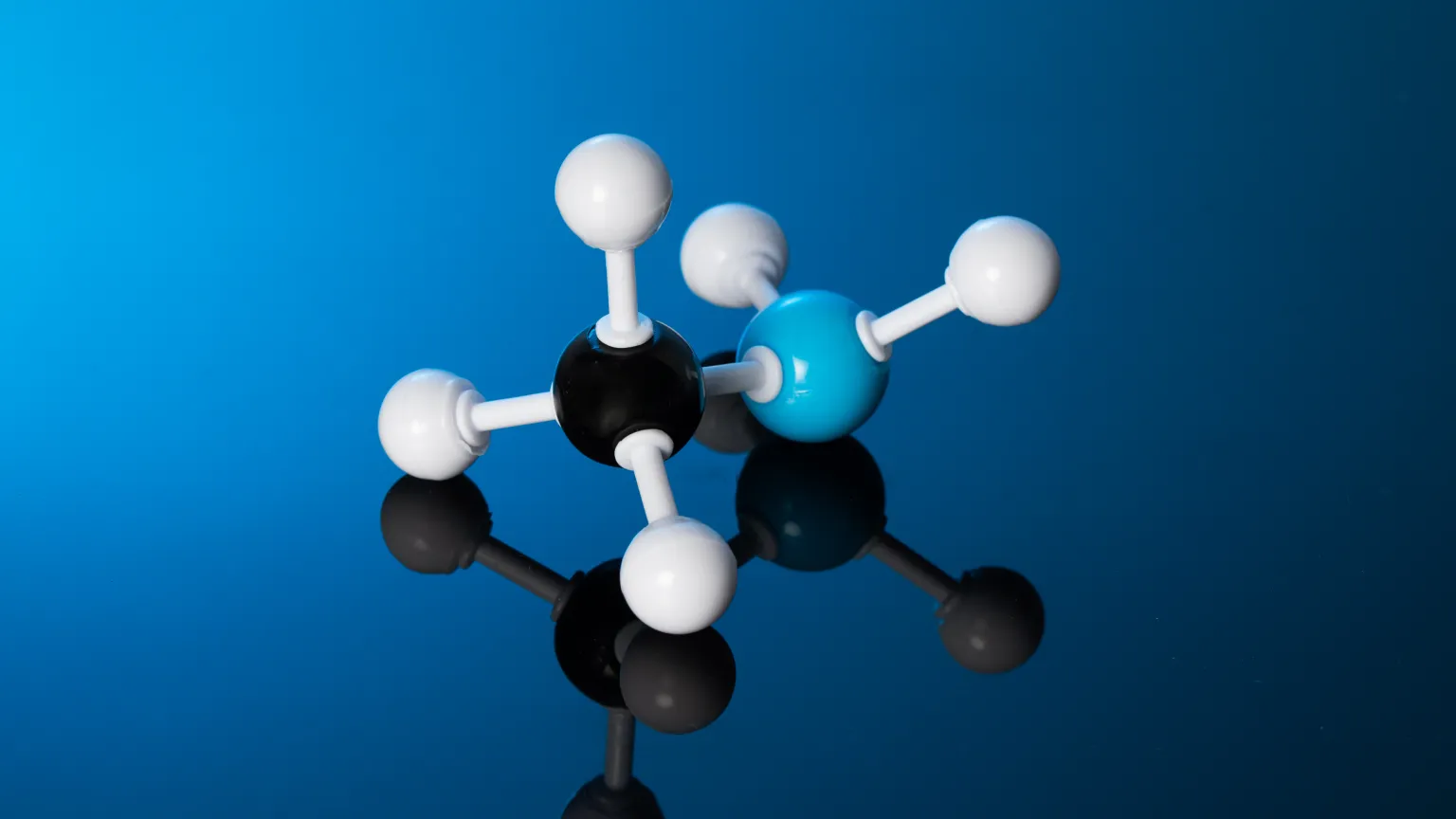
Our specialized solid-phase peptide synthesis platform executes diverse cyclization chemistries, including head-to-tail amide macrolactamization, side-chain-to-side-chain lactam bridging, and chemoselective click cyclization. Every sequence is synthesized under strict stereochemical control and purified to target specifications (typically ≥95% or ≥98% via HPLC) with mass spectrometry validation.
Conformational restriction eliminates the entropy penalty of linear flexible chains, locking the peptide into its biologically active conformation. Through our modification platform, we engineer orthogonal multi-disulfide frameworks, hydrocarbon staples, and bicyclic scaffolds that shield labile bonds from exopeptidases and enhance receptor binding selectivity.
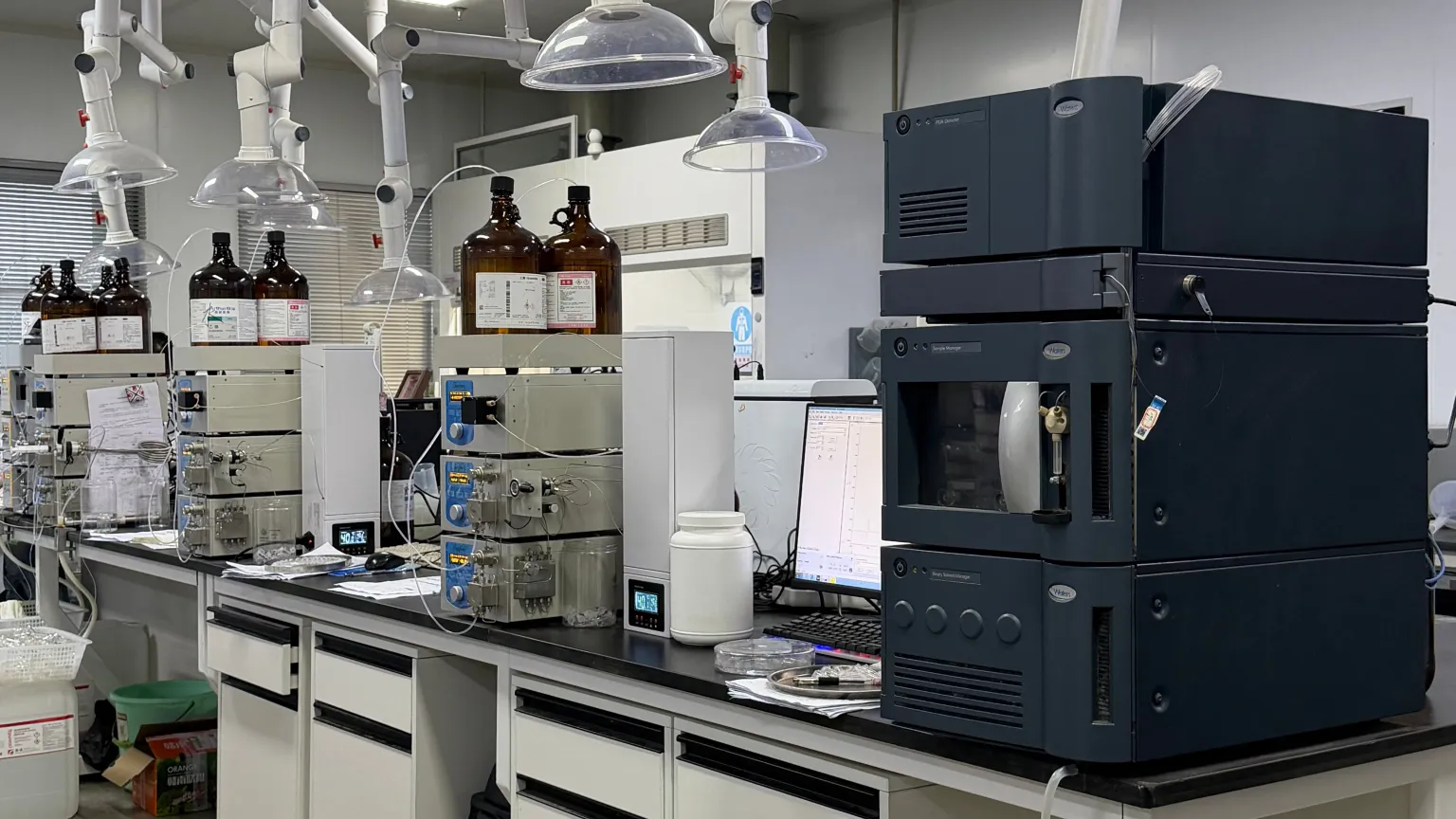
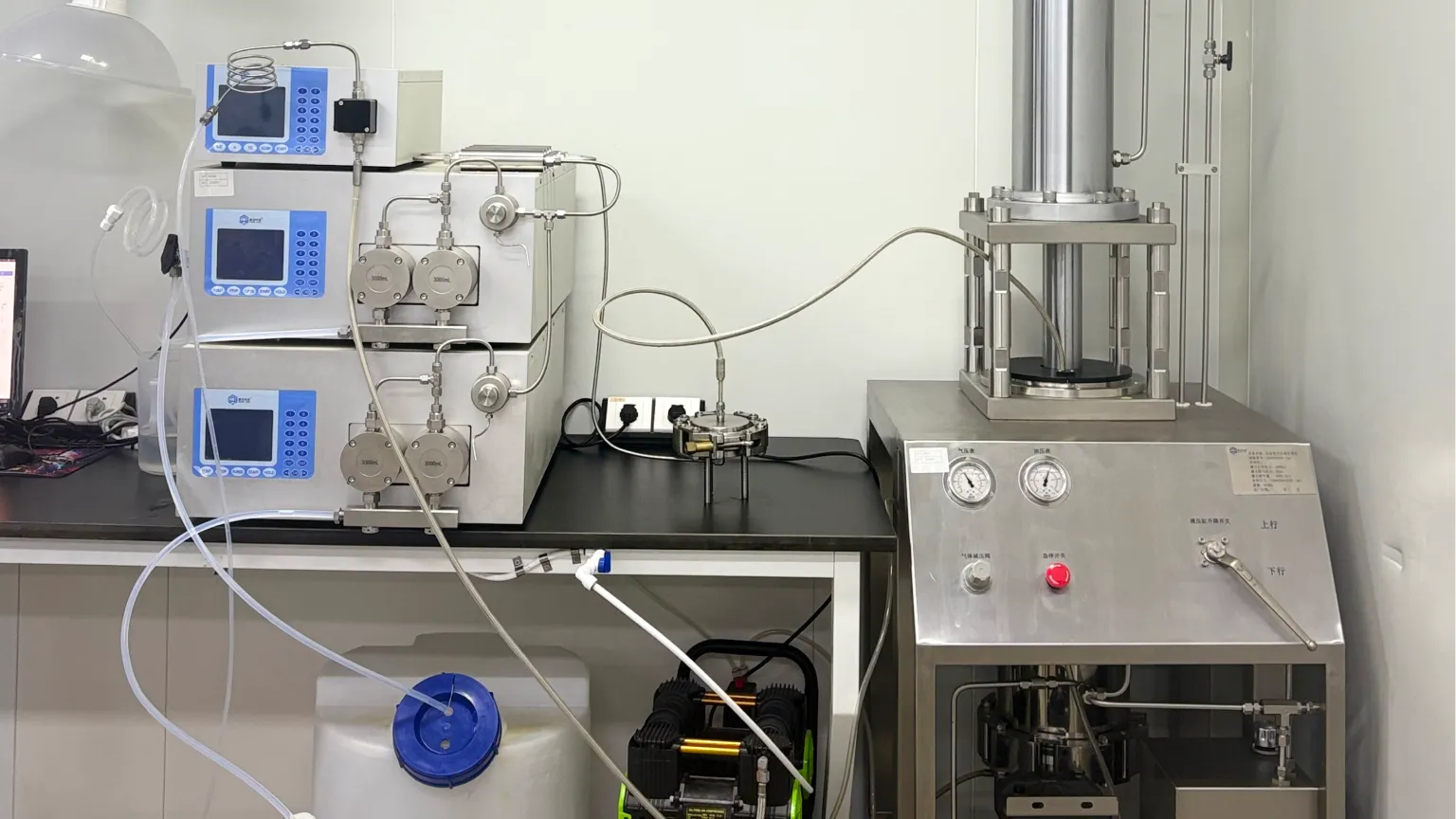
Operating automated reactor systems and industrial preparative HPLC purification columns, our facilities transition cyclic peptide candidates from milligram-level screening batches to multi-kilogram commercial lots, supported by controlled counter-ion exchange, confirmed ring-closure verification, and comprehensive regulatory documentation.
Our platform supports all primary cyclization methodologies: head-to-tail backbone macrolactamization, side-chain-to-side-chain lactam bridging (e.g., Lys-Asp/Glu), single and multiple directed disulfide formation, hydrocarbon stapling via ring-closing metathesis (RCM), thioether (carba) cyclization, and copper-catalyzed click triazole formation.
Linear peptides exhibit high conformational flexibility and rapid enzymatic degradation by circulating aminopeptidases and carboxypeptidases. Cyclization locks the sequence into a bioactive conformation, reducing entropic loss upon target binding and eliminating free N- and C-termini, which significantly prolongs serum half-life.
Synthesizing complex multi-disulfide frameworks (such as Linaclotide) requires orthogonal cysteine protecting groups (e.g., Trt, Acm, Mob, tBu). Through our peptide modification services, we perform stepwise, directed oxidative folding to guarantee exact connectivity without mispaired scrambled isomers. For bicyclic peptides, we conjugate linear precursors onto tri-functional central chemical scaffolds.
Confirming ring closure requires rigorous analytical profiling. We perform high-resolution LC-MS/MS to verify the exact mass shift corresponding to water or hydrogen loss, coupled with analytical RP-HPLC to differentiate monomeric cyclic products from intermolecular dimers or oligomers. For disulfide-rich scaffolds, comparative peptide mapping confirms connectivity.
Transitioning macrocycles from discovery to commercial supply demands precise control of high-dilution kinetics to prevent intermolecular oligomerization. Through our large-scale peptide synthesis infrastructure, we utilize continuous-flow dilution reactors and high-capacity preparative HPLC purification to supply multi-kilogram lots with consistent batch-to-batch reproducibility.
As a fully integrated peptide CDMO, we provide end-to-end technical support including conformational modeling, cyclization route optimization, counter-ion control (converting to pharmaceutical acetate), stability testing, impurity profiling, and regulatory documentation to accelerate candidates through preclinical and clinical pipelines.
Cyclic peptides, or cyclopeptides, represent an established structural modality in modern drug discovery, bridging the functional gap between small molecules and macromolecular biologics. By restricting conformational freedom, cyclization pre-organizes peptide backbones into stable three-dimensional architectures capable of binding challenging flat targets—such as protein-protein interaction (PPI) interfaces—with nanomolar affinity. For pharmaceutical researchers and development teams, overcoming ring-closing energetic barriers, ensuring regioselective bridging, and scaling macrocyclic synthesis represent critical technical milestones.
Our synthesis platform deploys multiple chemoselective cyclization strategies tailored to primary sequence architecture:
Linear peptides incur a substantial entropic penalty upon binding target receptors due to the freezing of multiple rotatable bonds. Macrocyclization pre-arranges the binding epitope, significantly enhancing binding enthalpy and target selectivity. Crucially, cyclization removes accessible N- and C-terminal residues and restricts backbone accessibility, shielding scissile bonds from circulating aminopeptidases, carboxypeptidases, and endopeptidases. This structural constraint underpins the pharmacological success of benchmark peptide therapeutics, such as the somatostatin analogue Octreotide.
Advanced therapeutics increasingly demand multi-cyclic frameworks to address complex multiprotein complexes. Utilizing our custom peptide synthesis platform, we synthesize bicyclic and multicyclic peptide scaffolds via sequential orthogonal cyclizations or by crosslinking linear poly-cysteine precursors with trivalent chemical linkers (such as TBMB). These bicyclic formats offer antibody-like target affinity combined with small-molecule tissue penetration.
Scaling cyclic peptide manufacturing from milligram hit-to-lead batches to multi-kilogram commercial lots introduces severe chemical engineering challenges. High-dilution regimes necessary to prevent intermolecular oligomerization require high-throughput solvent recovery and optimized continuous-flow reactors. Through our large-scale peptide synthesis infrastructure, we optimize macrocyclization kinetics and preparative HPLC purification. Operating within our integrated peptide CDMO framework, we deliver batch-to-batch consistency, counter-ion control (acetate/TFA), and full regulatory documentation for clinical-stage and commercial programs.
Materials synthesized within this technical portfolio are supplied strictly as raw materials for research, analytical development, and pharmaceutical formulation. They are not finished pharmaceuticals and are not intended for direct clinical administration.


