
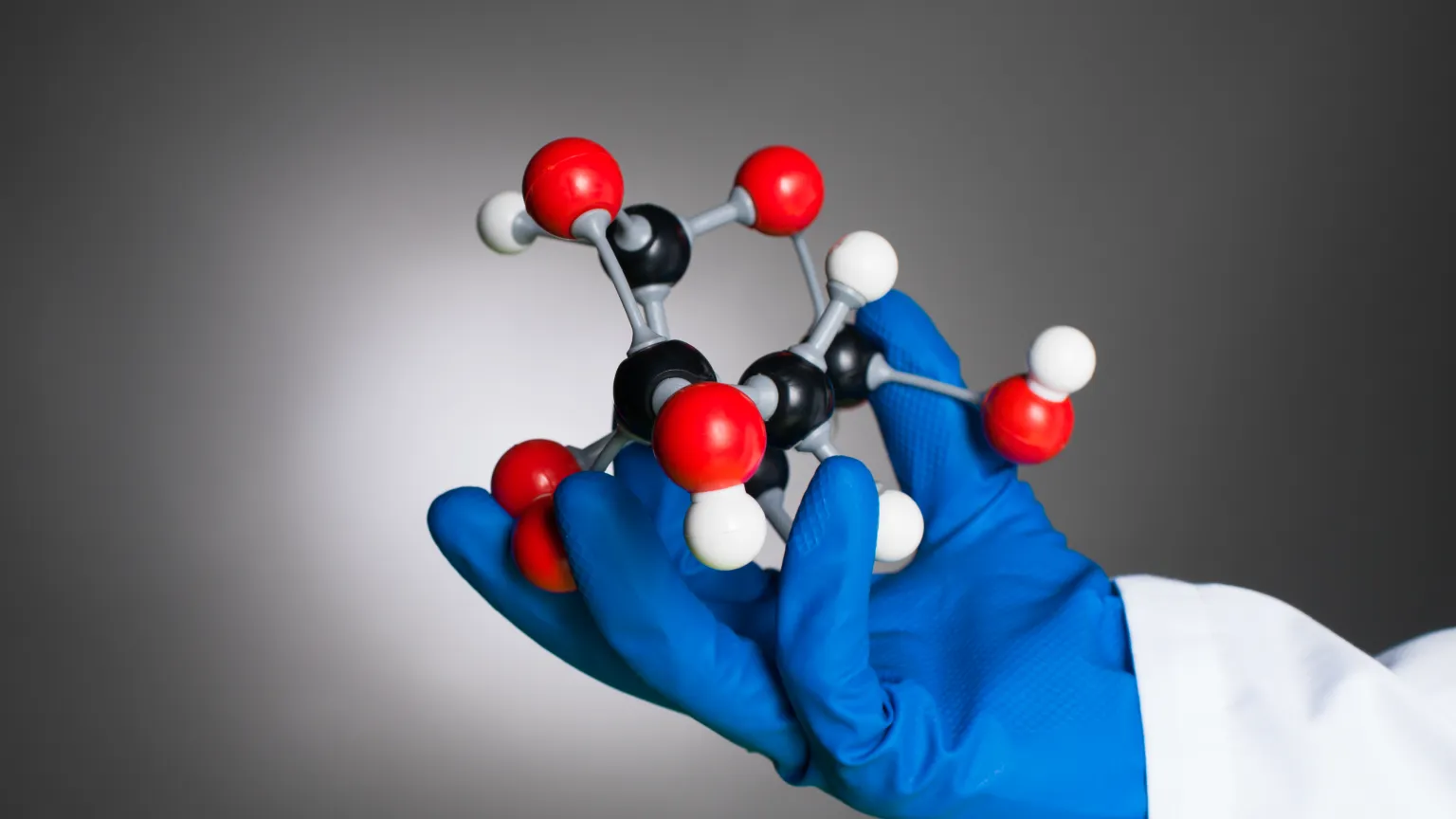
Protease-cleavable peptide linkers such as Val-Cit and Val-Ala with a PAB spacer, plus disulfide, acid-labile, and stable non-cleavable options for the release profile you need.
Linkers come with the attachment chemistry built in: maleimide for cysteine conjugation, or alkyne and azide handles for click chemistry, with PEG spacers for water solubility.
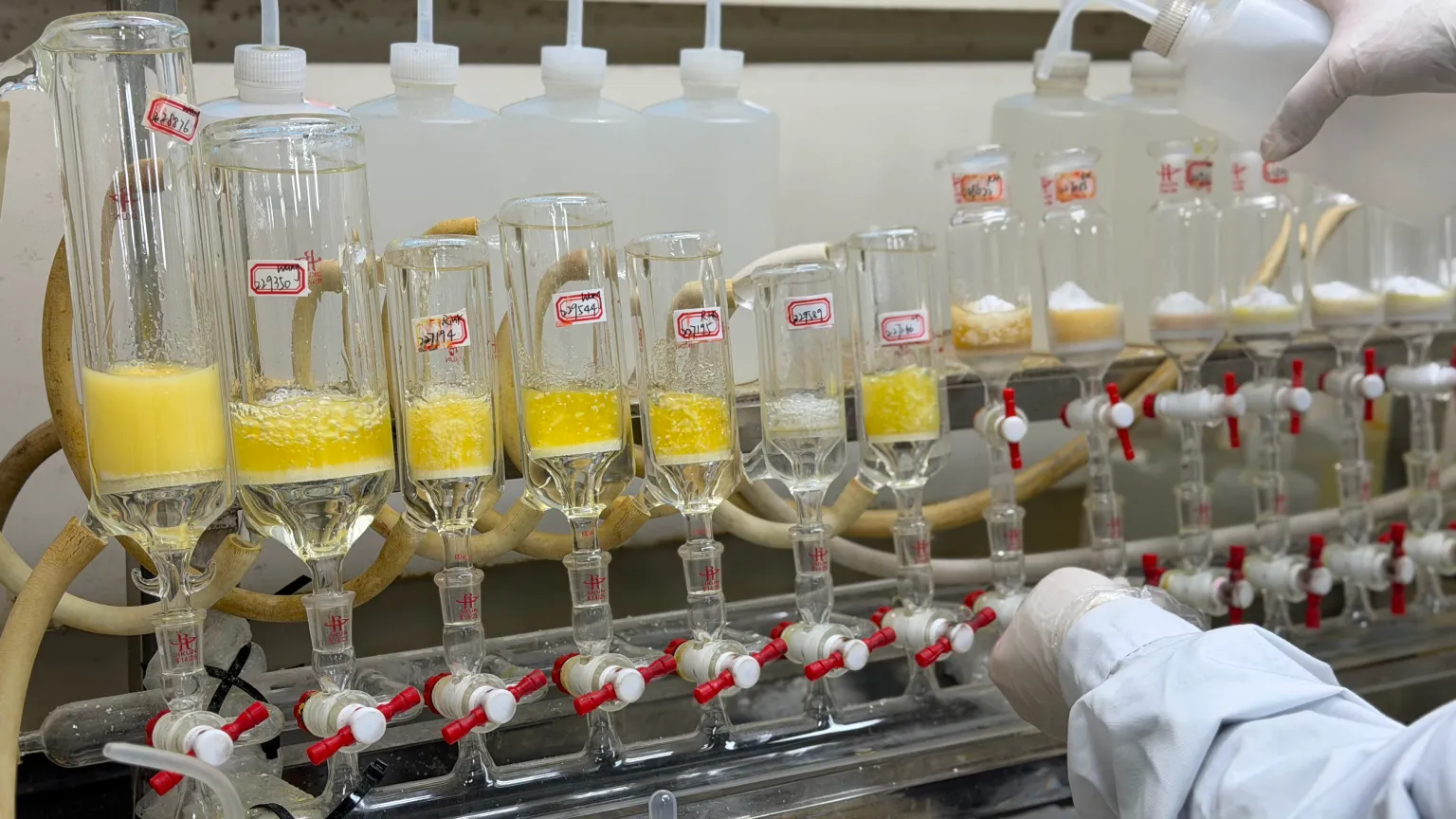
Send your design or target release mechanism, and we synthesize the linker, with Fmoc or Boc protection or prefunctionalized for direct conjugation, at the purity your program requires.
ADC linkers are the chemical bridges that join a cytotoxic payload to an antibody in an antibody-drug conjugate. The linker has to keep the payload attached in circulation and release it once the conjugate reaches the target cell, so its design controls both stability and release.
Cleavable linkers release the payload in response to a trigger inside the cell, such as the protease cathepsin B, low pH, or reducing conditions. Non-cleavable linkers form a stable bond and release the payload only after the antibody is degraded. Most approved ADCs use cleavable linkers.
We make protease-cleavable dipeptide linkers, including Val-Cit and Val-Ala, usually with a PAB self-immolative spacer, along with disulfide and acid-labile cleavable linkers and stable non-cleavable linkers.
The most common handle is a maleimide that reacts with cysteine thiols on the antibody. We also supply alkyne and azide handles for click chemistry and other reactive groups, depending on your conjugation route.
Yes. We add PEG spacers to improve water solubility and reduce aggregation, which is useful for hydrophobic payloads and higher drug-to-antibody ratios.
Yes. Tell us the release mechanism, the conjugation chemistry, and any spacer you need, and we synthesize the linker to your design, protected or prefunctionalized, at research or larger scale.
An antibody-drug conjugate joins a targeting antibody to a potent cytotoxic payload, and the linker is what holds the two together. A good linker keeps the payload attached while the conjugate circulates, then releases it once the antibody has delivered it to the target cell. Because that balance between stability and release drives both efficacy and safety, linker choice is one of the central decisions in ADC design.
Cleavable linkers carry a chemical trigger that releases the payload inside the target cell, and they are used in most approved ADCs. The main types are:
Non-cleavable linkers form a stable bond, such as the thioether in an SMCC or maleimidocaproyl linker, that does not break on its own. The payload is released only after the antibody part of the conjugate is broken down by lysosomal proteases. These linkers can give very stable conjugates, but the payload has to stay active while still attached to a fragment of the linker and amino acid.
A linker is assembled from a few parts: a handle that attaches to the antibody, an optional spacer, and the cleavable or stable element. The most common antibody handle is a maleimide that reacts with cysteine thiols, while alkyne and azide groups support click chemistry for site-specific conjugation. PEG spacers are added to improve water solubility, which matters for hydrophobic payloads and higher drug-to-antibody ratios.
We synthesize ADC linkers to your design, including Val-Cit and Val-Ala peptide linkers with PAB spacers, disulfide and acid-labile linkers, and non-cleavable linkers, supplied protected or prefunctionalized with the conjugation handle you need. The dipeptide cleavable linkers are peptide chemistry, so they sit alongside our other work, see custom peptide synthesis and peptide modification. ADC linkers and related intermediates are supplied for laboratory research use only.


