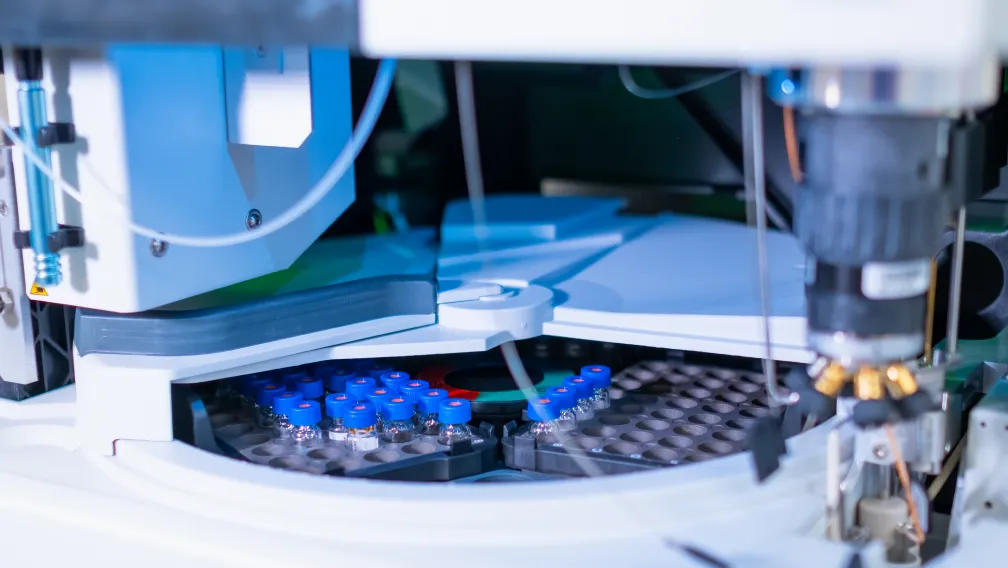
The emergence of personalized cancer vaccines has fundamentally shifted the paradigm of oncological therapeutics. By targeting neoantigens—unique, highly specific mutated proteins generated exclusively by the genomic instability of a patient's tumor cells—these vaccines train the human immune system to mount a potent, highly targeted anti-tumor response while entirely sparing healthy tissue. However, this transformative individualized approach introduces an unprecedented logistical, analytical, and manufacturing hurdle: every single vaccine must be manufactured "on-demand" for a specific patient. In this highly time-sensitive clinical environment, the Turnaround Time (TAT) required for the custom peptide synthesis of these neoantigens dictates the ultimate clinical viability of the therapy. Patients battling aggressive or advanced-stage malignancies simply cannot wait months for standard pharmaceutical manufacturing cycles to deliver their treatments. Overcoming the severe chemical, analytical, and supply chain bottlenecks to reliably deliver GMP-grade neoantigen peptides within an aggressive 4-to-6-week "vein-to-vein" window represents the defining engineering challenge of modern personalized immunotherapy.
The Unique Molecular Complexity of Neoantigen Peptides
Understanding the TAT bottleneck requires recognizing how neoantigen manufacturing deviates from traditional pharmaceutical paradigms. Standard generic drug peptides, such as semaglutide or liraglutide, are manufactured in multi-kilogram batches, extensively validated over years of process development, and stockpiled in global inventories. Conversely, neoantigen peptides are synthesized as small libraries—typically ranging from 10 to 30 completely unique peptide sequences per patient—in mere milligram quantities for immediate administration.
The fundamental challenge lies in the origin of the sequence. A neoantigen sequence is dictated entirely by the patient's Next-Generation Sequencing (NGS) data and in silico HLA-binding prediction algorithms. The chemical feasibility or "manufacturability" of the sequence is never a factor in the selection process. Consequently, chemical engineers have absolutely no opportunity for extensive process development, route scouting, or empirical optimization. The synthesis platform must be robust enough to successfully assemble any predicted sequence on the very first attempt.
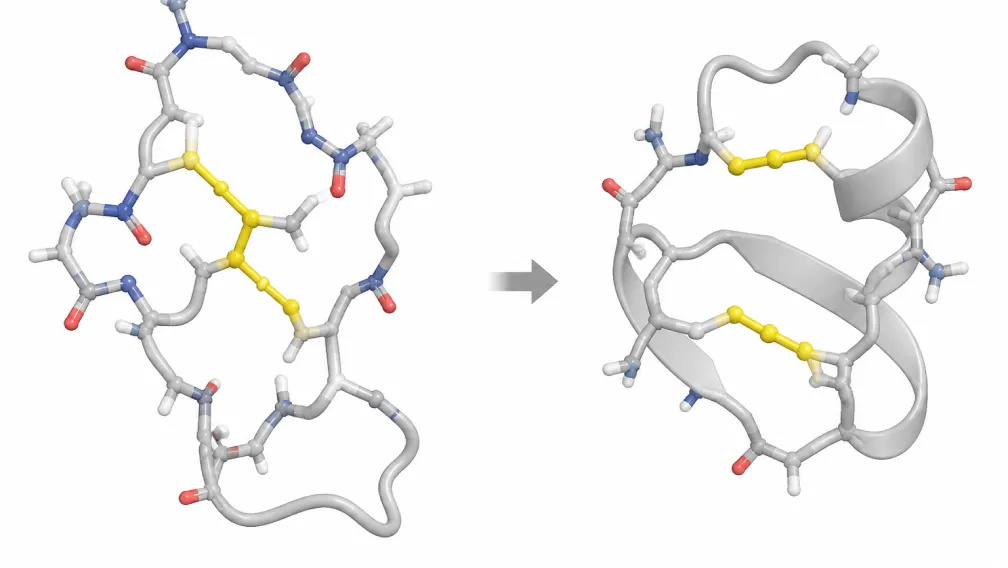
These algorithmically generated neoantigens frequently feature exceptionally "difficult" chemical motifs. They routinely contain extensive hydrophobic stretches (such as poly-valine, poly-isoleucine, or poly-leucine), multiple consecutive bulky protecting groups, or aggregation-prone regions that naturally form tightly packed intermolecular beta-sheets. In traditional Solid-Phase Peptide Synthesis (SPPS) conducted at room temperature, these difficult sequences cause severe resin shrinkage, restrict solvent penetration, and lead to incomplete amino acid coupling. The inevitable result is a massive accumulation of deletion sequences and truncated impurities, which drastically extends the TAT by forcing manufacturers into costly, time-consuming re-synthesis cycles.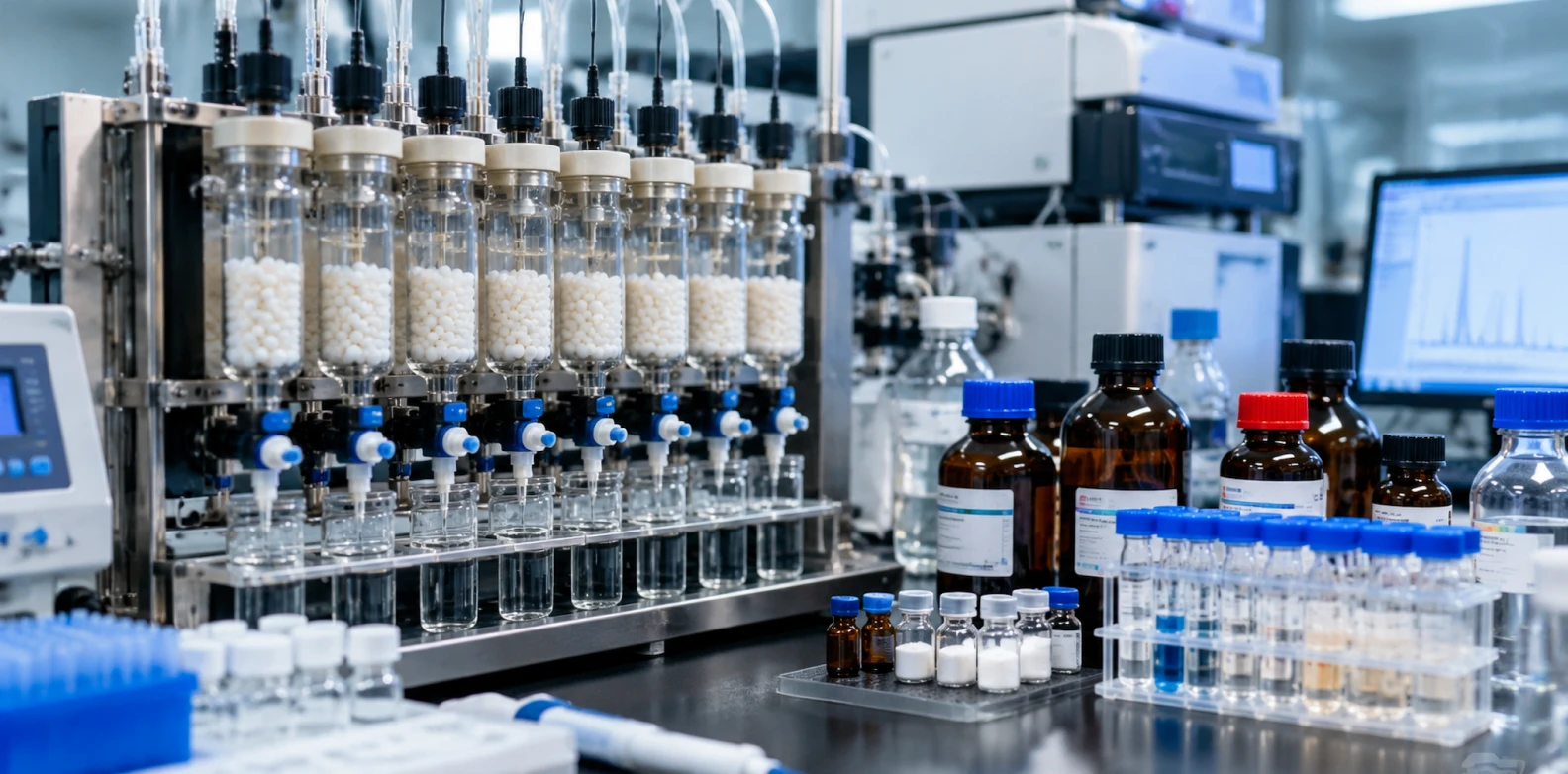
Accelerating Upstream Synthesis: Engineering Solutions for Rapid Assembly
To meet the strict TAT demands of personalized cancer vaccines, manufacturers must completely abandon conventional, room-temperature SPPS protocols. Traditional coupling cycles can take anywhere from 60 to 120 minutes per individual amino acid addition. Synthesizing a comprehensive 25-mer neoantigen library using these legacy methods would consume a critical week of the TAT budget solely on upstream sequence assembly.
Microwave-Assisted SPPS (MW-SPPS)
The implementation of Microwave-Assisted SPPS (MW-SPPS) serves as the primary engineering lever for accelerating neoantigen assembly. Microwave energy selectively and instantaneously heats the polar components of the reaction mixture. This rapid thermal energy causes the polymer resin matrix to swell optimally, exposing functional sites while significantly accelerating the kinetic rate of both the coupling and the Fmoc-deprotection reactions.
Crucially, this targeted thermal energy physically disrupts the intermolecular hydrogen bonding networks that cause premature beta-sheet aggregation in difficult, hydrophobic sequences. By preventing the growing peptide chains from clumping together on the solid support, MW-SPPS ensures high coupling efficiency even in sterically hindered regions. Consequently, MW-SPPS reduces individual amino acid coupling times from hours down to merely 2 to 5 minutes. This technological leap allows a highly complex, 30-residue neoantigen to be fully assembled from C-terminus to N-terminus within a single working day.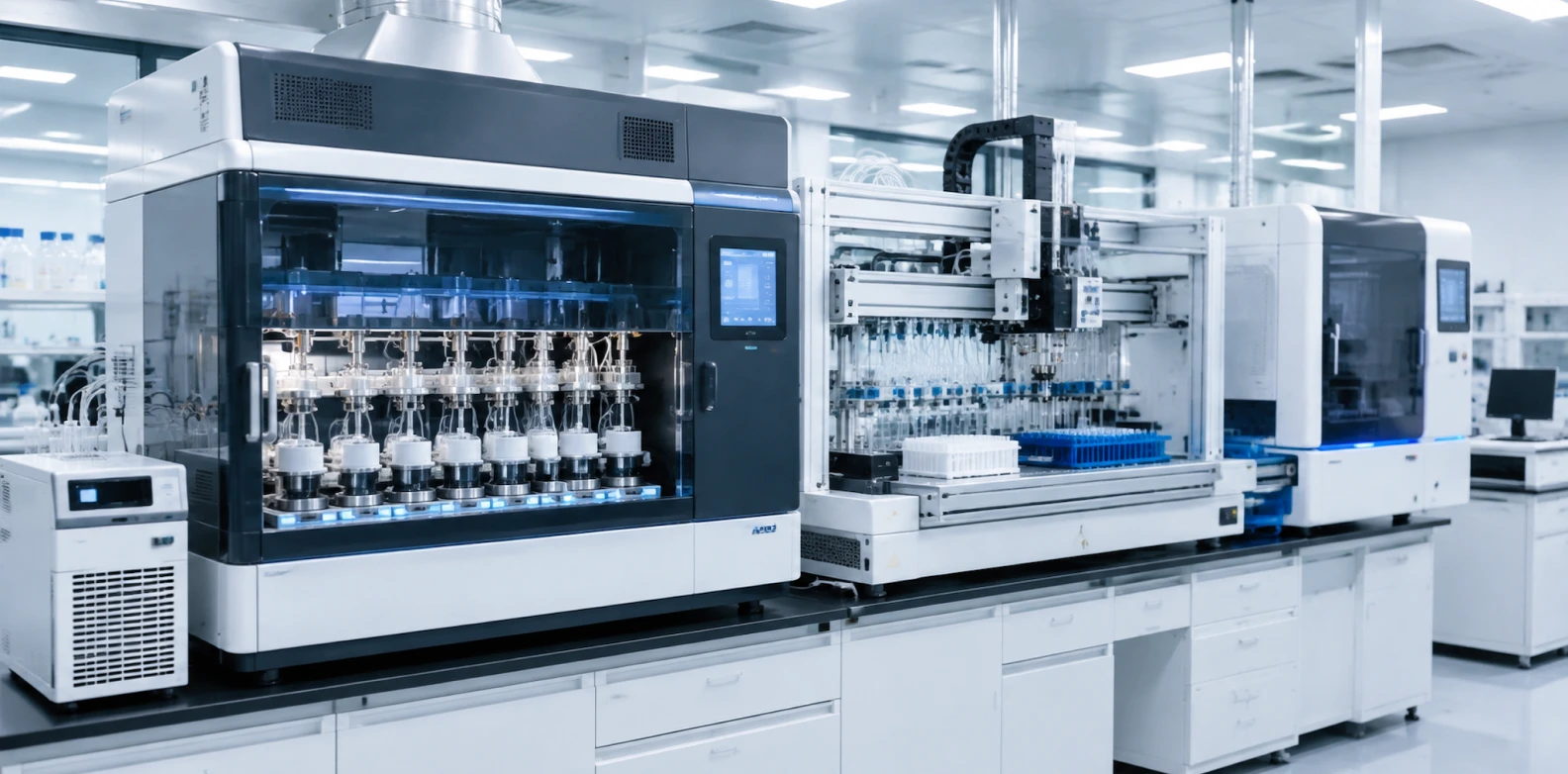
High-Throughput Parallel Synthesis Automation
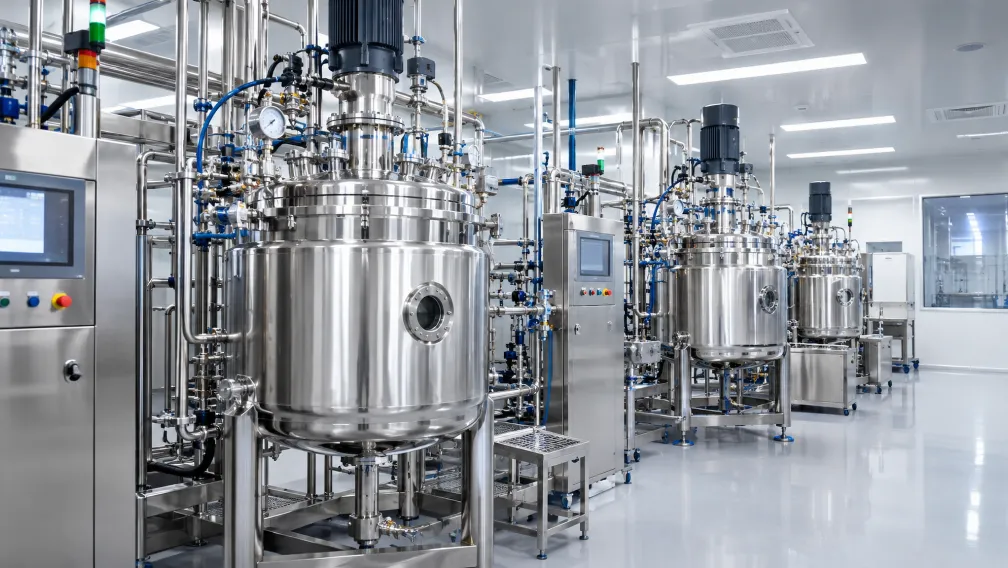
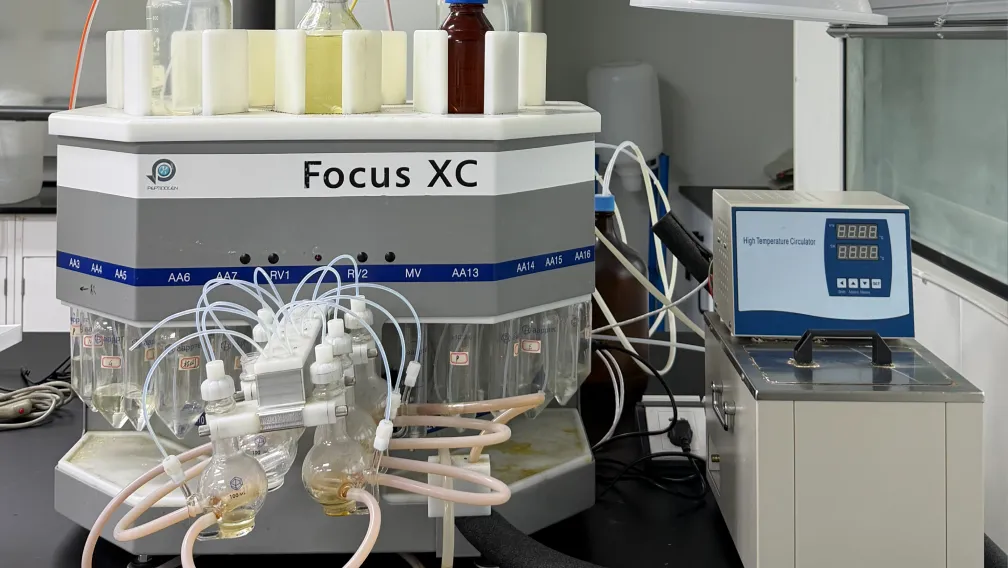
Because a single personalized vaccine formulation requires a pool of multiple distinct peptides to prevent tumor immune evasion, sequential, one-by-one synthesis is mathematically unviable for meeting a 4-week TAT. State-of-the-art CDMO facilities deploy fully automated, high-throughput parallel synthesizers. These robotic liquid-handling platforms can simultaneously assemble 24 to 48 unique peptide sequences in parallel reaction vessels. By utilizing unified solvent delivery systems, automated amino acid weighing, and integrated cleavage blocks, parallel automation drastically compresses the upstream manufacturing timeline, turning weeks of manual labor into days of automated execution for both personalized libraries and large-scale peptide synthesis alike.
Overcoming Downstream Purification Bottlenecks
While upstream synthesis has been heavily accelerated and de-risked by microwave technology and parallel automation, downstream processing—specifically preparative high-performance liquid chromatography (prep-HPLC) and final lyophilization—often emerges as the primary bottleneck in the overall TAT.
Predictive Orthogonal Purification Strategies
Because neoantigen sequences are generated randomly by tumor mutations rather than optimized for chemical manufacturability, the crude purity levels exiting the cleavage reactor can vary wildly. A standard library of 20 neoantigen peptides might contain highly pure, easily isolated hydrophilic sequences sitting right alongside complex hydrophobic peptides that are heavily contaminated with closely related deletion and truncated species.
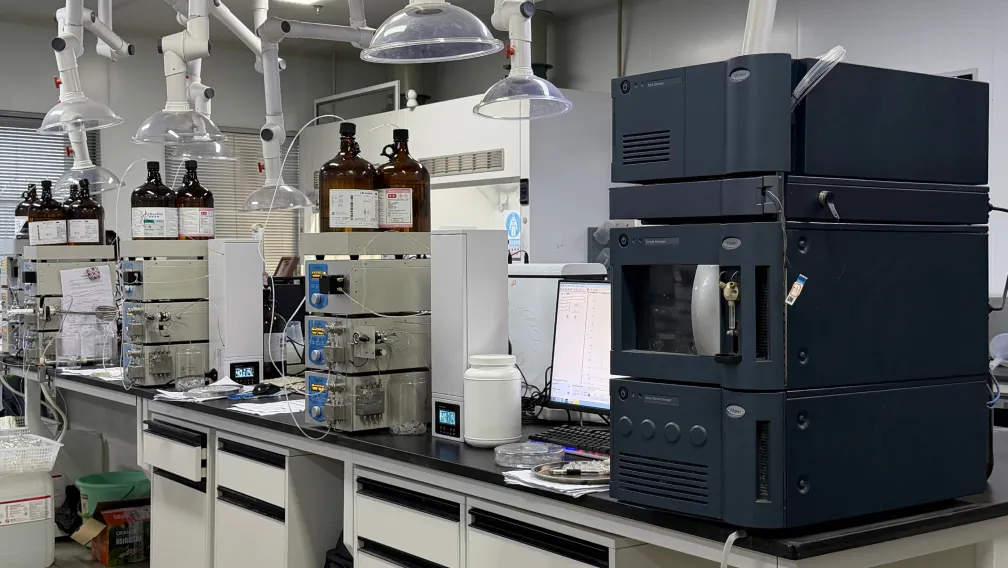
Rillying on a single generic RP-HPLC gradient universally across the entire library inevitably fails for the difficult sequences, leading to poor resolution, overlapping peaks, and multiple failed purification passes. To guarantee rapid release on the first attempt, advanced manufacturing facilities deploy predictive chromatographic modeling. By analyzing the sequence’s theoretical isoelectric point (pI), hydrophobicity index, and net charge, sophisticated software models predict the optimal purification conditions before the crude peptide is even injected into the column.
Instead of manual trial-and-error, the purification system automatically selects orthogonal mobile phases. For example, a system might utilize low-pH TFA (Trifluoroacetic acid) gradients for standard hydrophilic separations, but automatically switch to high-pH ammonium acetate or ammonium bicarbonate buffers to resolve stubborn, co-eluting drug peptide impurities in hydrophobic sequences. By getting the purification right on the very first pass, manufacturers shave critical days off the TAT.
Accelerated Solvent Removal
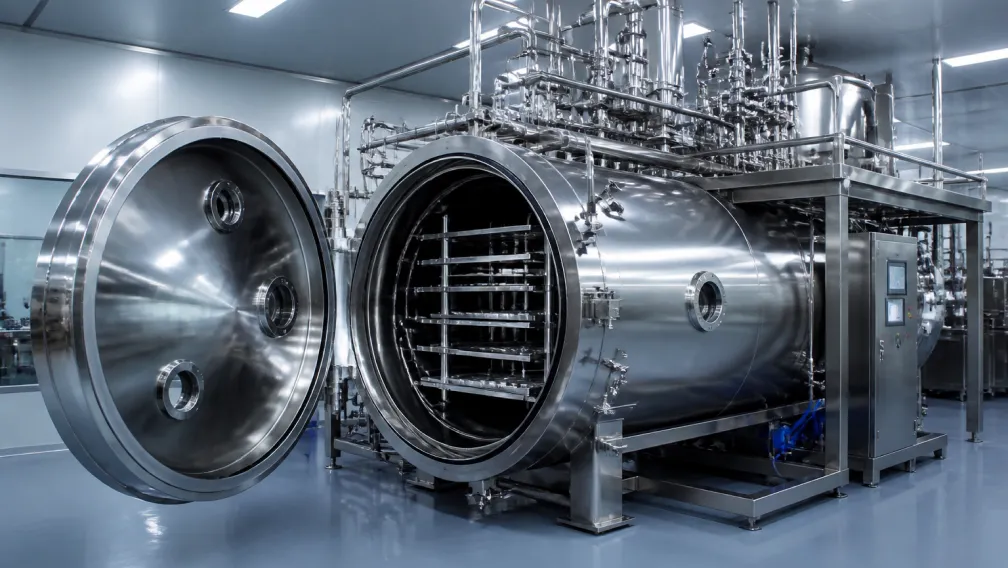
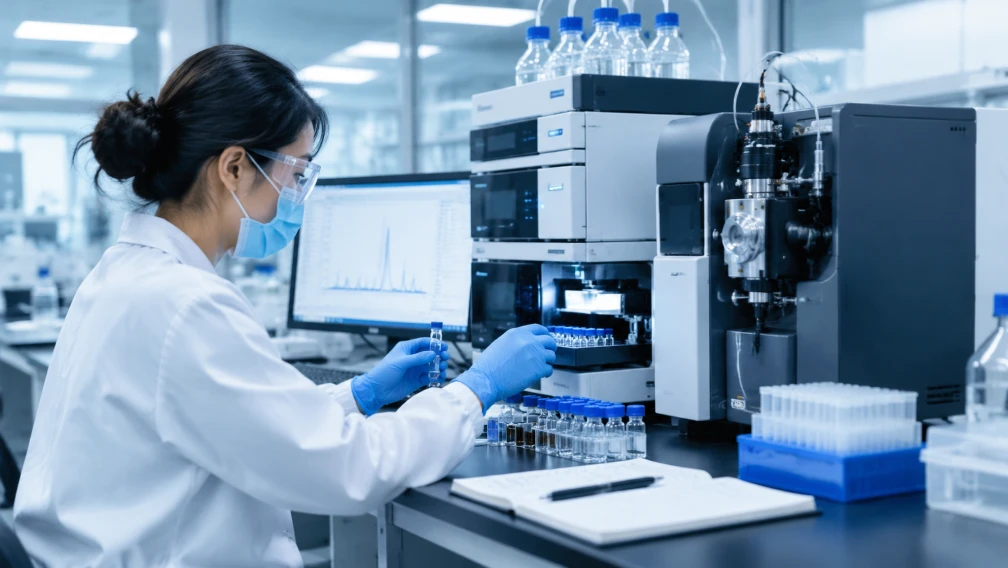
Standard lyophilization (freeze-drying) of HPLC fractions requires deep freezing and high-vacuum sublimation, a process that frequently takes 3 to 5 days per batch. To bypass this bottleneck, rapid synthesis facilities implement ultra-fast, high-capacity centrifugal evaporation or closed-loop spray-drying technologies. These advanced solvent removal techniques can isolate the dry peptide powder in a matter of hours, saving crucial days in the final API isolation step and accelerating the transition to quality control.
Streamlining QA/QC and Batch Release via Platform Approaches
In traditional pharmaceutical manufacturing, the Quality Assurance (QA) and Quality Control (QC) release process for a single clinical batch can take anywhere from 3 to 5 weeks. This involves exhaustive analytical testing, method validation, and quality reviews—a timeframe that is completely incompatible with the urgency of personalized oncology. If a cancer vaccine library contains 20 unique peptides, applying standard testing paradigms would require generating 20 individual Certificates of Analysis (COAs), running 20 individual endotoxin tests, and validating 20 distinct, sequence-specific HPLC methods.
To overcome this insurmountable administrative and analytical burden, regulatory agencies—including the US FDA and the EMA—are increasingly accepting "platform approaches" for personalized cancer vaccines. Under this paradigm, the manufacturer heavily validates the entire SPPS equipment train, the purification hardware, the raw materials, and a universal analytical method (such as a generic UPLC-MS gradient) upfront as a cohesive platform.
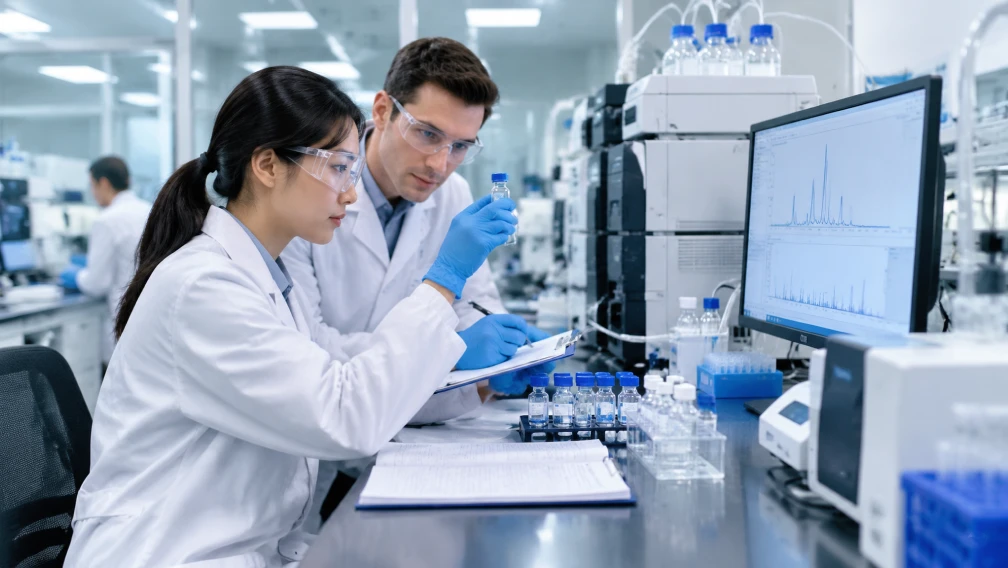
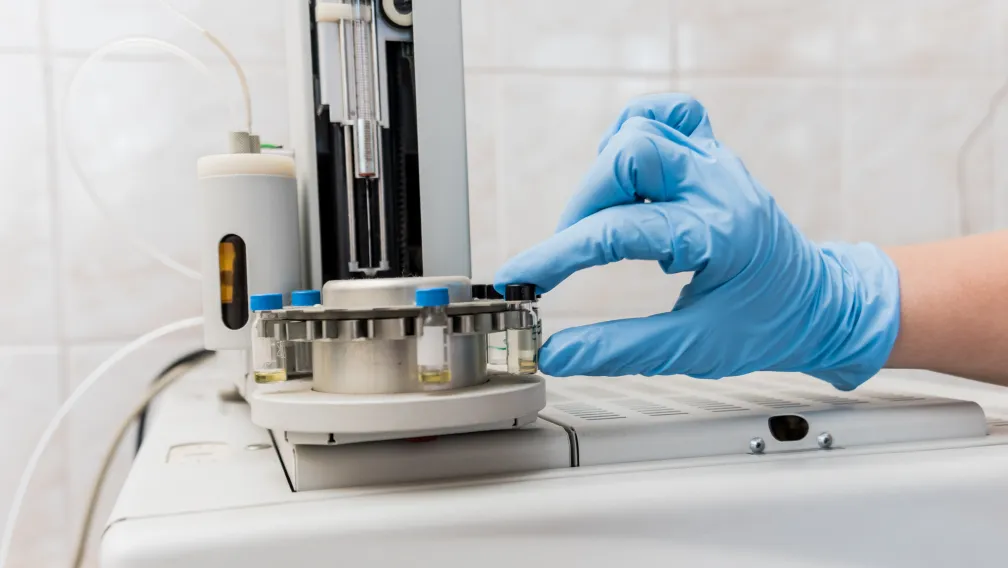
By utilizing certified, highly characterized peptide impurities reference standards to validate the generic analytical platform parameters, the CDMO can drastically reduce or completely eliminate the amount of sequence-specific method validation required for each individual patient's batch. High-resolution mass spectrometry (HRMS) becomes the primary, definitive release tool. HRMS instruments provide exact mass measurements and sequence confirmation instantly, allowing QA teams to verify molecular fidelity without running lengthy sequence-specific retention time studies. This regulatory flexibility and reliance on platform validation compresses the QC release timeline from several weeks down to mere days.
Integrating the Supply Chain: From Sequence to Syringe
The ultimate TAT metric measured by clinicians is "vein-to-vein" time—the total duration spanning from the excision of the patient's tumor biopsy to the intravenous or subcutaneous administration of the finished, sterile vaccine. Achieving a reliable 4-week vein-to-vein TAT requires seamless logistical and digital integration between the clinical sequencing laboratory, the bioinformatics neoantigen prediction platform, and the physical manufacturing floor.
Advanced manufacturing partners are actively implementing secure digital integration tools. In these fully connected ecosystems, bioinformatic algorithms feed the predicted neoantigen sequences directly into the automated SPPS software via secure APIs, completely eliminating manual transcription delays and data entry errors. Furthermore, because raw material shortages (such as a sudden lack of a specialized Fmoc-amino acid or a cleavage scavenger) can instantly derail a time-sensitive personalized batch, manufacturers must maintain robust, pre-cleared, and QC-released inventories of all potential building blocks on-site.
By marrying rapid parallel microwave synthesis, predictive machine-learning-driven purification, and platform-based analytical release within a single, highly integrated peptide CDMO facility, the pharmaceutical industry is successfully overcoming the TAT bottleneck. This comprehensive engineering and regulatory alignment is transforming personalized neoantigen therapies from a logistical impossibility into a scalable, life-saving clinical reality for oncology patients worldwide.
-

Synpeptide
peptide-focused CRO/CDMO company
The SynPeptide Research Team brings together scientists specializing in peptide synthesis, purification, and analytical characterization. Drawing on hands-on laboratory experience across custom and catalog peptides, the team shares evidence-based insights for researchers, formulators, and product developers. All content is reviewed against current scientific literature and internal quality-control data, reflecting SynPeptide's commitment to accuracy, reproducibility, and the responsible communication of peptide science.