The development of synthetic peptide drugs has accelerated rapidly over the past decade, driven by advances in synthesis technologies and a deeper understanding of peptide pharmacology. With this exponential growth comes heightened regulatory scrutiny, particularly concerning the quality attributes and purity of the Active Pharmaceutical Ingredient (API). For pharmaceutical researchers, Quality Assurance and Quality Control (QA/QC) personnel, and drug developers, establishing a comprehensive impurity profile is not merely a compliance checkbox; it is a fundamental requirement to ensure drug safety, efficacy, and batch-to-batch consistency. Regulatory bodies, including the US Food and Drug Administration (FDA) and the European Medicines Agency (EMA), have established stringent guidelines specifically tailored to synthetic peptides. These molecules—generally defined by the FDA as alpha-amino acid polymers with 40 or fewer amino acids—bridge the critical gap between traditional small molecules and complex, large-molecule biologics. Consequently, they require highly specialized analytical strategies and robust manufacturing controls. This comprehensive guide details the precise categorization of peptide impurities, explores the current ICH, FDA, and EMA regulatory frameworks, and outlines effective Chemistry, Manufacturing, and Controls (CMC) strategies for rigorous impurity profiling.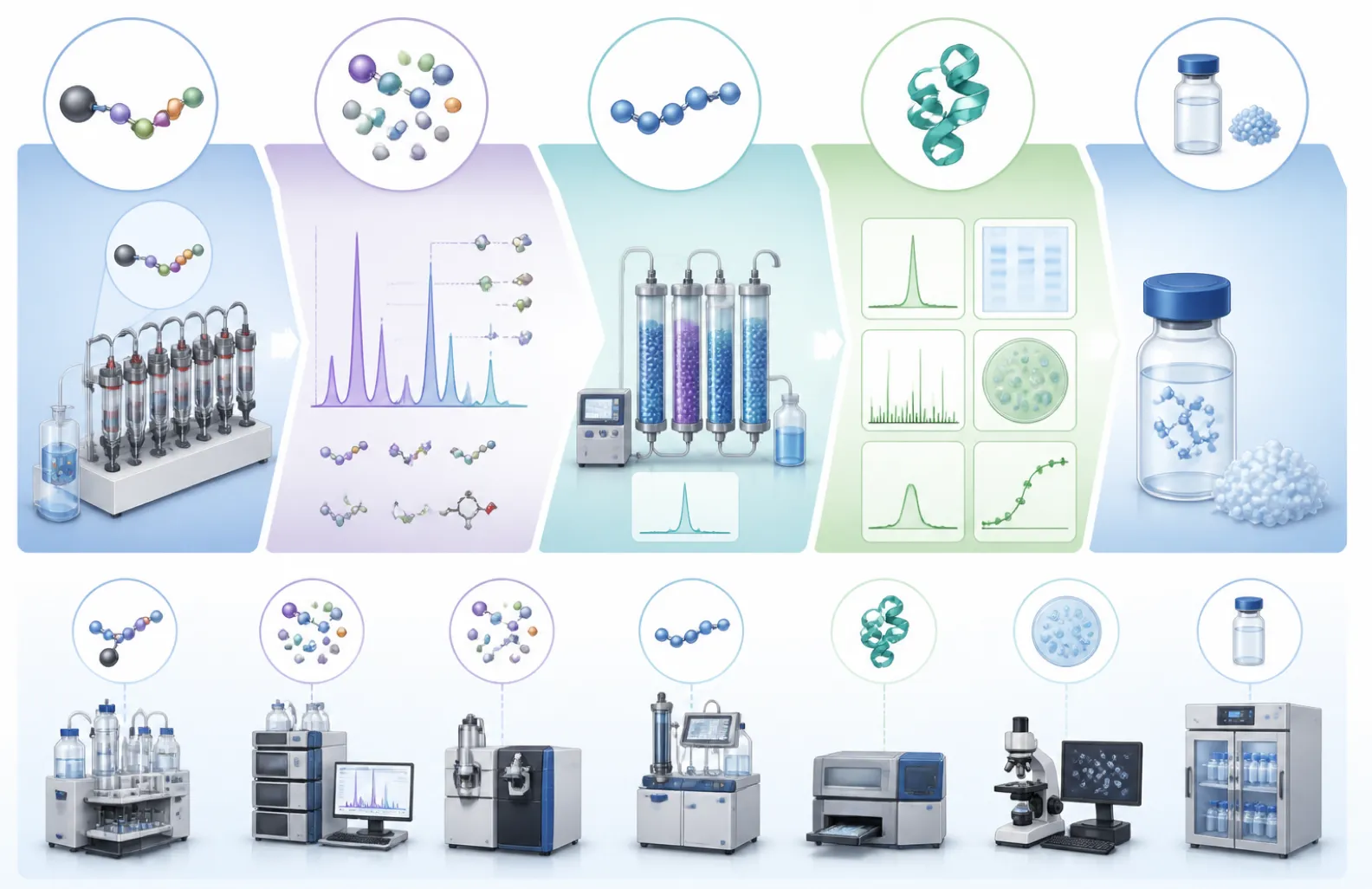
The Unique Categorization of Peptide Impurities
Impurities in peptide formulations are structurally complex and originate from various stages of development, including solid-phase peptide synthesis (SPPS), cleavage, purification, formulation, and long-term storage. Regulatory agencies broadly divide these contaminants into two main classes: peptide-related impurities and process-related impurities. Understanding the origin of each is the first step in developing an effective control strategy.
Peptide-Related Impurities
These impurities share significant structural similarities with the target API, presenting the greatest analytical and regulatory challenges. They frequently arise during the actual synthesis process or as a result of degradation. Common peptide-related impurities include:
- Deletion Sequences: These occur when a specific amino acid fails to couple during a designated synthesis cycle, resulting in a truncated peptide chain missing one or more residues.
- Insertion Sequences: These form due to unintended double couplings of an amino acid during a single synthesis cycle, creating a sequence longer than the target API.
- Racemization Products (Isomers): These are isomers containing D-amino acids instead of the intended L-amino acids. Racemization often happens during the activation of specific susceptible residues, such as histidine or cysteine, under basic conditions.
- Degradation Products: Peptides remain highly susceptible to degradation post-synthesis. Oxidation is a persistent challenge, particularly for peptides containing methionine, cysteine, or tryptophan. Methionine readily oxidizes to methionine sulfoxide, while cysteine can form unintended disulfide bridges, leading to aggregation or misfolding. Deamidation of asparagine or glutamine, hydrolysis, and the formation of diketopiperazine are also standard degradation pathways.
- Aspartimide Formation: This is a highly specific degradation pathway affecting sequences containing aspartic acid adjacent to glycine, serine, or threonine. During the base-mediated removal of Fmoc protecting groups, the aspartic acid side chain can attack the adjacent amide bond, forming a cyclic aspartimide intermediate, which complicates the impurity profile.
Process-Related Impurities
Unlike peptide-related contaminants, process-related impurities are artifacts of the manufacturing methodology and the chemicals utilized, rather than variants of the peptide sequence itself.
- Residual Solvents: Traces of solvents used during synthesis and purification, such as N,N-dimethylformamide (DMF), dichloromethane (DCM), or acetonitrile.
- Reagents and Scavengers: Leftover coupling reagents (e.g., HATU, DIC) and scavengers used during the cleavage cocktail phase. Scavengers, such as ethanedithiol (EDT) or triisopropylsilane (TIS), are essential during the final cleavage step to prevent highly reactive carbocations from reattaching to the peptide backbone, but they must be strictly cleared from the final product.
- Protecting Groups: Fragments resulting from incomplete deprotection, such as residual Fmoc, t-butyl, or Trt groups that remain attached to the side chains.
- Elemental Impurities: Heavy metals originating from synthesis catalysts, raw materials, or the manufacturing equipment itself, governed by specific ICH guidelines.
Navigating the Regulatory Landscape: FDA, EMA, and ICH Frameworks
Achieving regulatory approval requires a precise understanding of how different global authorities view and regulate peptide impurities. The regulatory backbone is provided by the International Council for Harmonisation (ICH), but specific regional overlays dictate the final CMC expectations.
The ICH Framework: The Baseline
The ICH provides fundamental guidelines for global drug quality. ICH Q3A(R2) governs impurities in new drug substances, while ICH Q3B(R2) addresses degradation products in drug products. These guidelines establish standard reporting, identification, and qualification thresholds scaled to the maximum daily dose of the therapeutic. However, synthetic peptides are explicitly excluded from the strict scope of ICH Q3A. The inherent complexity of peptides means that standard small-molecule thresholds are simply insufficient, necessitating specialized, peptide-specific guidance from regional authorities.
FDA Synthetic Peptide Guidance
The FDA clearly distinguishes peptides based on size (40 amino acids or fewer) and imposes strict limits on both generic (ANDA) and new drug (NDA) peptide submissions. For highly purified synthetic peptides, the FDA requires that any peptide-related impurity present at or above 0.10 percent of the drug substance must be structurally identified. Furthermore, any new peptide-related impurity present at a level above 0.5 percent requires rigorous regulatory justification. This justification must definitively prove that the impurity does not compromise the safety or effectiveness of the drug relative to the reference product.
A paramount concern for the FDA regarding peptide-related impurities is immunogenicity risk. Unlike process-related solvents, a modified, inserted, or truncated peptide sequence carries a significant risk of triggering an unwanted immune response. The FDA expects developers to conduct in silico assessments and in vitro functional assays to demonstrate that a new impurity does not introduce a T-cell epitope or alter the innate immune activity of the drug. If an impurity presents an immunogenicity risk, it can completely derail an application.
EMA and Ph. Eur. Expectations
In Europe, the EMA and the European Pharmacopoeia (Ph. Eur.) enforce their own rigorous frameworks. The EMA emphasizes comprehensive molecular characterization, expecting robust mass spectrometry and sequence confirmation data within the dossier. The Ph. Eur. defines specific analytical thresholds for peptide-related impurities, typically requiring impurities above 0.1 percent to be reported and those above 0.5 percent to be identified and fully qualified.
Counter-ions and salt forms are also heavily scrutinized by European regulators. The choice of salt (e.g., acetate versus trifluoroacetate) requires strong scientific justification. Residual trifluoroacetic acid (TFA), commonly used as an ion-pairing agent in HPLC purification, is a major red flag for the EMA. Regulators closely monitor residual TFA limits due to its potential cellular toxicity and adverse effects on API stability over the drug's shelf life.
Starting Material Quality and Its Downstream Impact
A reliable impurity control strategy does not start at final purification; it begins with the procurement of raw materials. The quality of starting materials directly dictates the purity profile of the final drug substance. The US Pharmacopeia general chapter USP <1504> provides critical recommendations on the minimum quality attributes for starting materials used in synthetic peptide manufacturing.
Protected amino acid derivatives must undergo rigorous analytical testing before introduction into the SPPS cycle. Contaminants such as amino acid enantiomers, early dipeptides, or unprotected amino acids present in the starting material will inevitably propagate and magnify through the synthesis chain. By enforcing strict specifications on visual appearance, chemical identity, related impurities, and moisture content at the raw material stage, manufacturers can significantly reduce the burden of downstream purification and complex analytical qualification.
Advanced Analytical Strategies for Impurity Profiling
Accurately determining and quantifying drug peptide impurities is a formidable analytical challenge. Impurities often co-elute with the main API peak due to their similar physicochemical properties, sizes, and polarities. Therefore, relying solely on traditional methods is inadequate; high-resolution, orthogonal analytical techniques are absolutely mandatory.
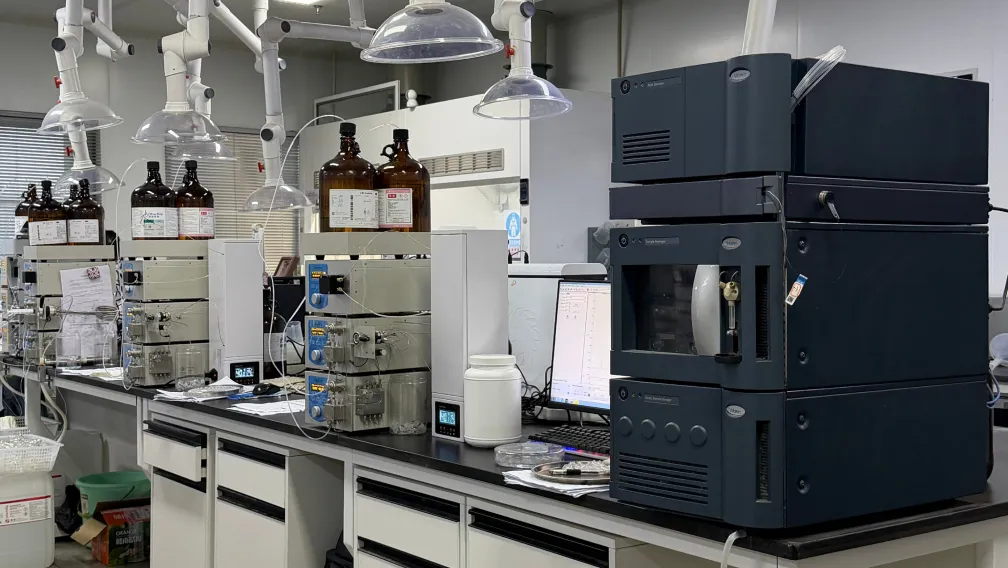
High-Performance Liquid Chromatography (HPLC) and UPLC
Chromatographic separation remains the foundational step of purity analysis. Ultra-Performance Liquid Chromatography (UPLC) offers enhanced resolution, speed, and sensitivity compared to traditional HPLC. Method development must carefully optimize mobile phases, temperature, gradient slopes, and column stationary phases to resolve closely eluting isomers, deletion sequences, and oxidation variants from the main peak.
High-Resolution Mass Spectrometry (HRMS)
Traditional optical-based assays utilizing UV detection are no longer sufficient on their own for modern regulatory submissions. The integration of High-Resolution Mass Spectrometry (HRMS) into the analytical workflow provides accurate mass-based identification of both the API and its trace impurities. Techniques such as LC-MS/MS allow analysts to fragment the peptide and verify the exact amino acid sequence. This sequence mapping is crucial for pinpointing the exact location of a deletion, insertion, or chemical modification within the peptide chain.
Orthogonal Techniques and Residual Testing
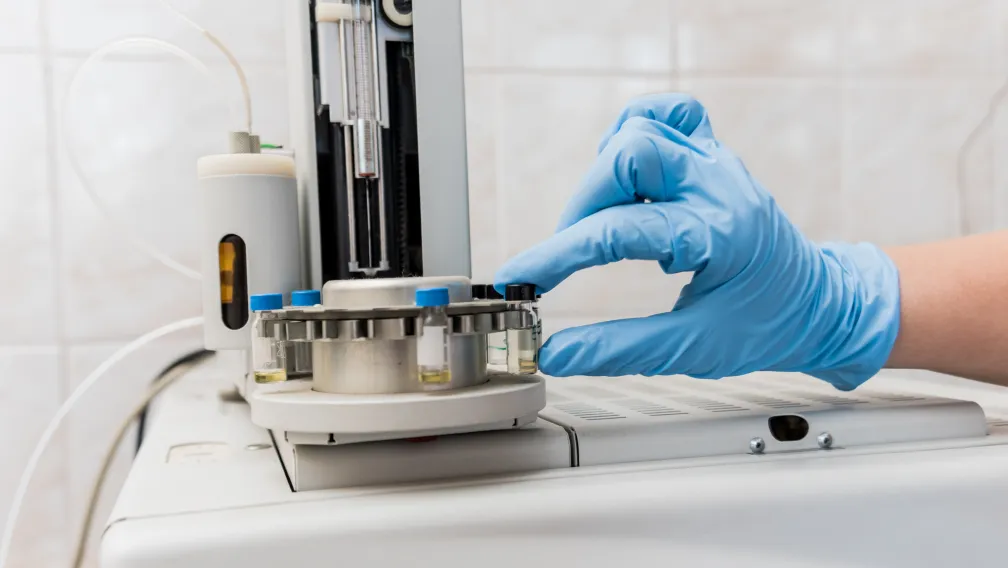
Depending on the specific characteristics of the molecule, other techniques such as Capillary Electrophoresis (CE) and Nuclear Magnetic Resonance (NMR) spectroscopy are integrated to provide a complete, holistic impurity profile. For process-related impurities, specific assays utilizing Gas Chromatography (GC) are deployed for residual solvents, while Inductively Coupled Plasma Mass Spectrometry (ICP-MS) is utilized to ensure elemental impurities comply with ICH Q3D standards.
Building a Robust CMC Control Strategy
A comprehensive Chemistry, Manufacturing, and Controls (CMC) strategy meticulously links process parameters to critical quality attributes. This involves defining the acceptable, safe limits for each specified identified impurity, often utilizing peptide impurities reference standards for precise quantification, each specified unidentified impurity, and total overall impurities.
During process development, Quality by Design (QbD) principles should be strictly applied. Forced degradation studies—involving stress testing under excessive heat, light, oxidative, and extreme hydrolytic conditions—are necessary to clearly elucidate potential degradation pathways. Understanding whether a peptide is highly prone to beta-elimination or disulfide scrambling allows process engineers to modify the synthesis, adjust the formulation, or alter storage conditions proactively rather than reactively.
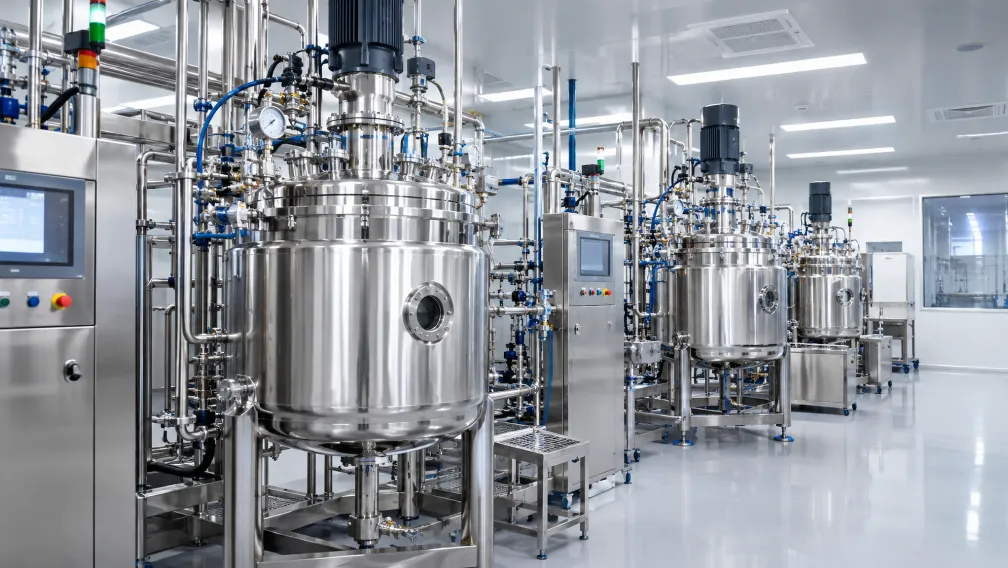
Ultimately, sponsors advancing peptide APIs toward clinical trials or commercial registration must rely on highly experienced manufacturing partners. Selecting an established peptide CDMO with a deeply proven track record in large-scale peptide synthesis and GMP manufacturing ensures that facility qualification, process validation, analytical method development, and regulatory documentation effortlessly meet global standards. A disciplined approach to GMP manufacturing remains the most reliable safeguard against CMC-driven regulatory delays.
Conclusion
Proactive and exhaustive impurity profiling is non-negotiable in modern peptide drug development. By aligning analytical strategies with the latest FDA, EMA, and ICH guidelines early in the development lifecycle, pharmaceutical companies can effectively mitigate regulatory risks, avoid costly approval delays, and ensure the reliable delivery of safe, highly purified therapeutic solutions to patients worldwide.
-

Synpeptide
peptide-focused CRO/CDMO company
The SynPeptide Research Team brings together scientists specializing in peptide synthesis, purification, and analytical characterization. Drawing on hands-on laboratory experience across custom and catalog peptides, the team shares evidence-based insights for researchers, formulators, and product developers. All content is reviewed against current scientific literature and internal quality-control data, reflecting SynPeptide's commitment to accuracy, reproducibility, and the responsible communication of peptide science.