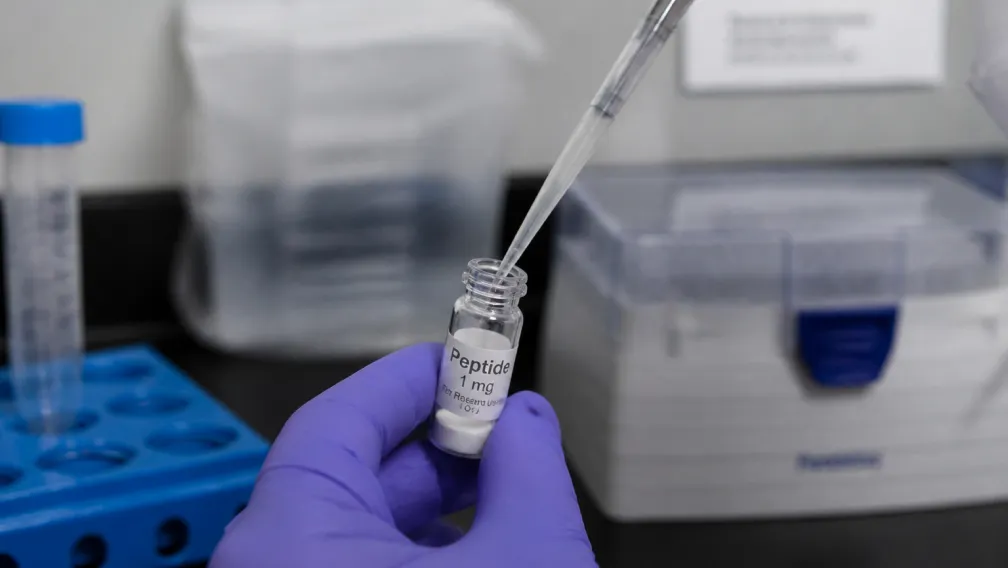
Peptide therapeutics occupy a highly effective middle ground between small molecules and large biologics. They offer the high target specificity and low toxicity of proteins, combined with the predictable synthetic manufacturing pathways of small molecules. However, moving a peptide from a promising sequence in a research lab to an approved clinical therapy is a complex engineering and regulatory challenge. The transition from discovery to clinical trials hinges entirely on Chemistry, Manufacturing, and Controls (CMC) strategy and rigorous Good Manufacturing Practice (GMP) compliance. This guide outlines the exact technical milestones required to navigate peptide drug development, ensuring your active pharmaceutical ingredient (API) meets regulatory standards without incurring costly delays.
Phase 1: Discovery and Sequence Optimization
The drug development lifecycle begins with identifying a lead compound. Researchers typically screen large libraries of amino acid sequences against a specific biological target to find "hits." Once a hit is identified, the focus shifts to lead optimization. Native peptides often exhibit poor in vivo stability, rapid renal clearance, and high susceptibility to proteolytic degradation. To convert a natural sequence into a viable drug candidate, medicinal chemists must engineer metabolic resistance.
This is achieved through advanced peptide modification. Replacing L-amino acids with D-amino acids or non-natural derivatives frequently prevents protease recognition. Terminal modifications, such as N-terminal acetylation and C-terminal amidation, remove charges that attract exopeptidases. For sequences lacking secondary structure stability, inducing rigid conformations via cyclopeptides (using disulfide bridges or lactam rings) locks the molecule into its bioactive shape, massively increasing receptor affinity. Furthermore, conjugating the peptide to polyethylene glycol (PEGylation) or fatty acids extends its circulating half-life, allowing for weekly rather than daily dosing. Managing these structural iterations requires a manufacturing partner capable of rapid, parallel custom peptide synthesis at the milligram scale with fast turnaround times.
Phase 2: Route Scouting and Process Development
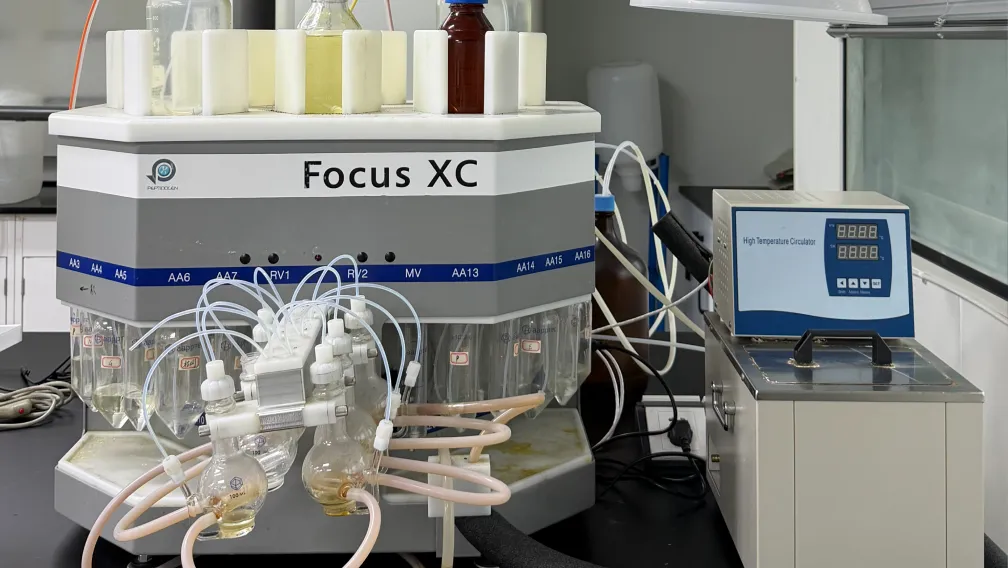
Synthesizing a peptide for an in vitro assay is fundamentally different from synthesizing a peptide for human trials. In the discovery phase, solid-phase peptide synthesis (SPPS) uses massive excesses of expensive reagents (often 5 to 10 equivalents) to drive reactions to completion quickly. When transitioning to pilot scale, this brute-force approach becomes economically unviable and technically hazardous regarding impurity generation.
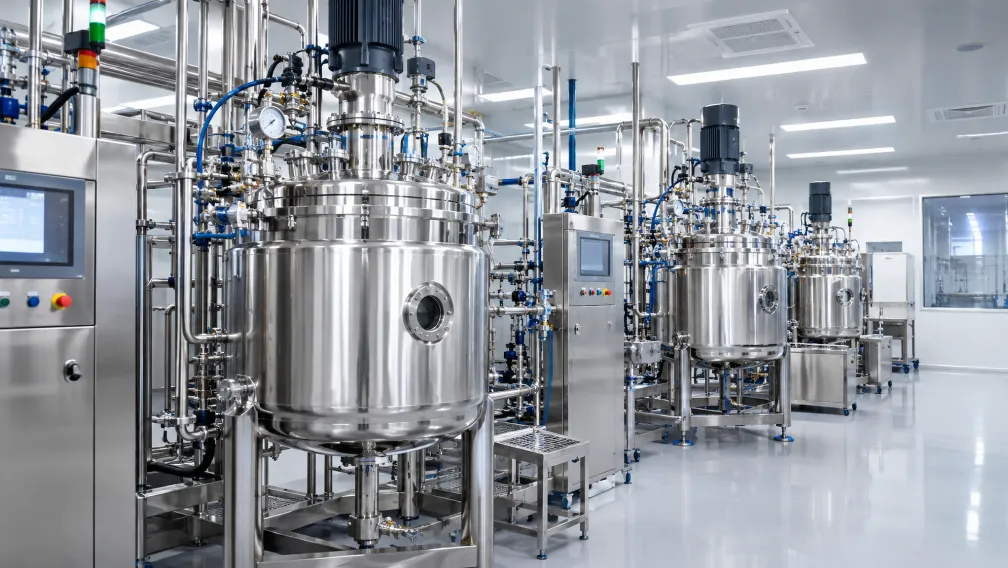
Process development involves redesigning the synthesis route for scalability, safety, and atom economy. Chemists evaluate different resins, coupling reagents, and cleavage cocktails. For sequences exceeding 40 residues, a purely stepwise SPPS route often results in unacceptable yield drops. In these cases, the development team must engineer a convergent synthesis strategy. This involves synthesizing smaller, protected fragments on solid support, purifying them, and then coupling them in a liquid phase. This hybrid approach is the backbone of large-scale peptide synthesis, isolating deletion errors early and ensuring the final coupling step utilizes highly pure intermediates. The output of this phase is a locked, reproducible manufacturing process capable of generating consistent multi-gram batches.
Phase 3: Comprehensive Impurity Profiling
Regulatory agencies, including the FDA and EMA, scrutinize peptide purity heavily. The guidelines outlined in ICH Q11 (Development and Manufacture of Drug Substances) mandate a thorough understanding of the impurity profile. You must identify, characterize, and justify every impurity present above a specific threshold (typically 0.1% or 0.15% depending on the maximum daily dose).
Peptide synthesis inherently generates related substances. Deletion sequences (missing an amino acid), insertion sequences (double couplings), truncation sequences (premature termination), and diastereomers (racemized residues) are common. Because these impurities share immense structural similarity with the target API, standard reverse-phase HPLC often fails to separate them effectively. Robust analytical method development requires orthogonal techniques.
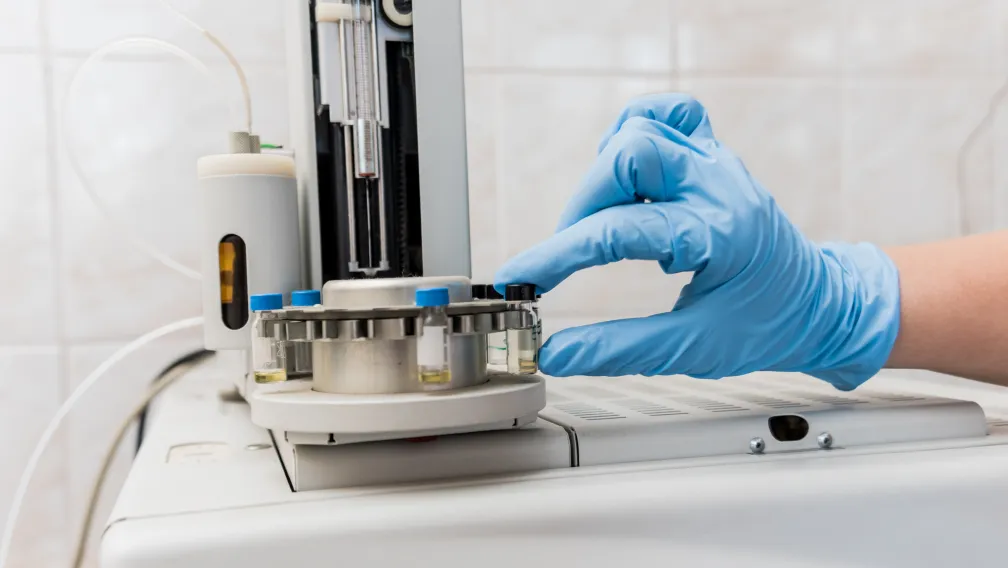
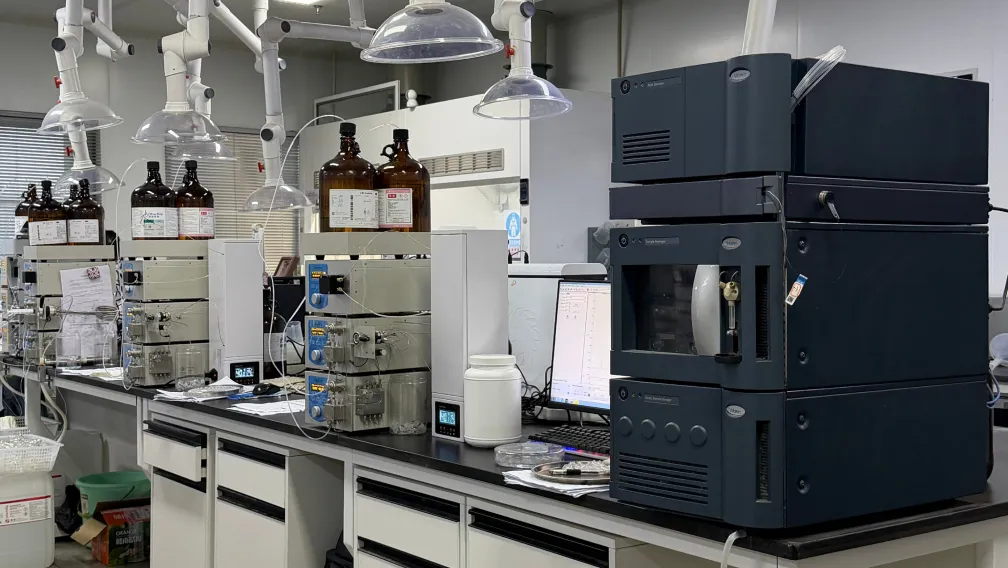
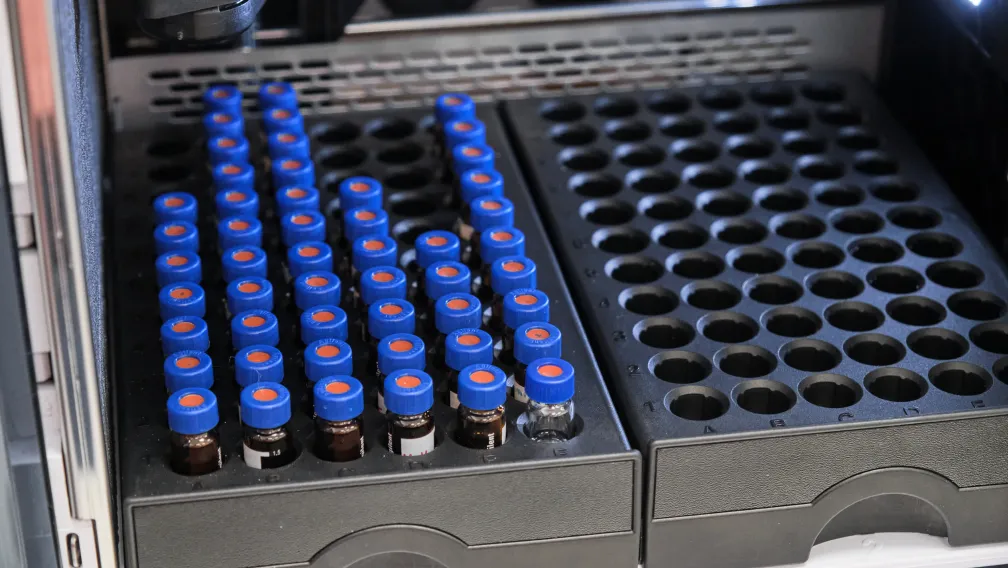
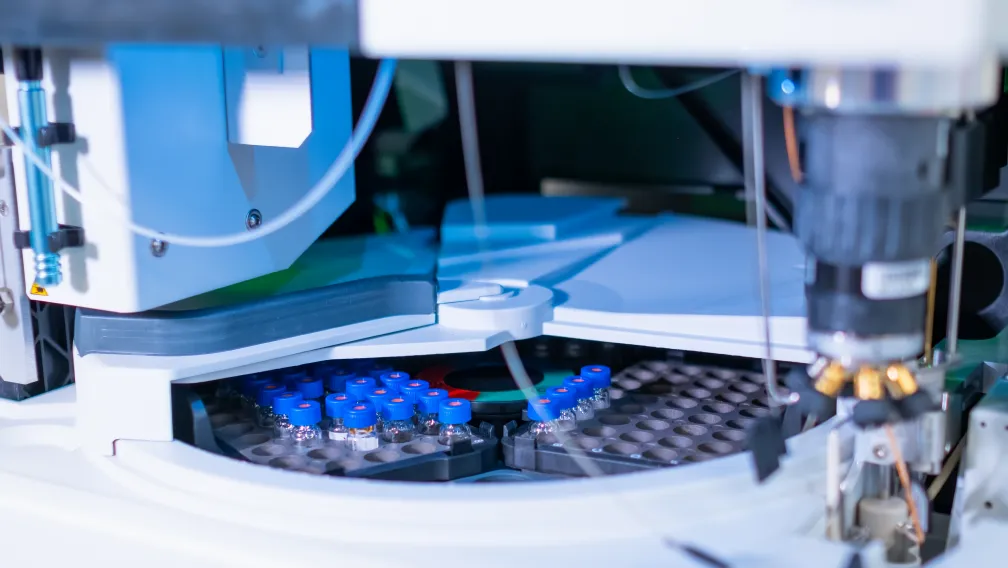
Liquid Chromatography-Mass Spectrometry (LC-MS) is mandatory for structure elucidation. Size Exclusion Chromatography (SEC) detects aggregates and dimers, particularly in cysteine-rich sequences. To prove the analytical methods are stability-indicating, manufacturers conduct forced degradation studies, exposing the API to extreme heat, light, acid, base, and oxidative stress. This maps the degradation pathways of the molecule. To accurately quantify these degradation products during long-term stability studies, developers must synthesize and qualify specific peptide impurities reference standards. Having these isolated standards allows the quality control unit to calibrate their instruments and prove the manufacturing process consistently clears toxic by-products.
Phase 4: GMP Peptide Manufacturing
The transition to human clinical trials requires the API to be manufactured under current Good Manufacturing Practice (cGMP) guidelines, specifically adhering to ICH Q7. GMP is not merely about achieving a high-purity product; it is a rigid system ensuring quality is built into the process by design, providing absolute traceability and reproducibility.
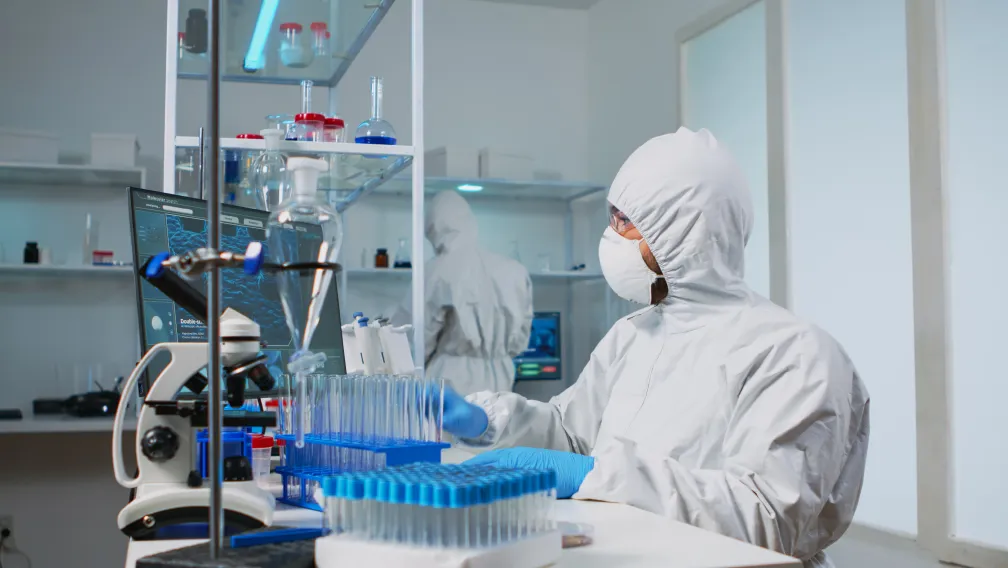
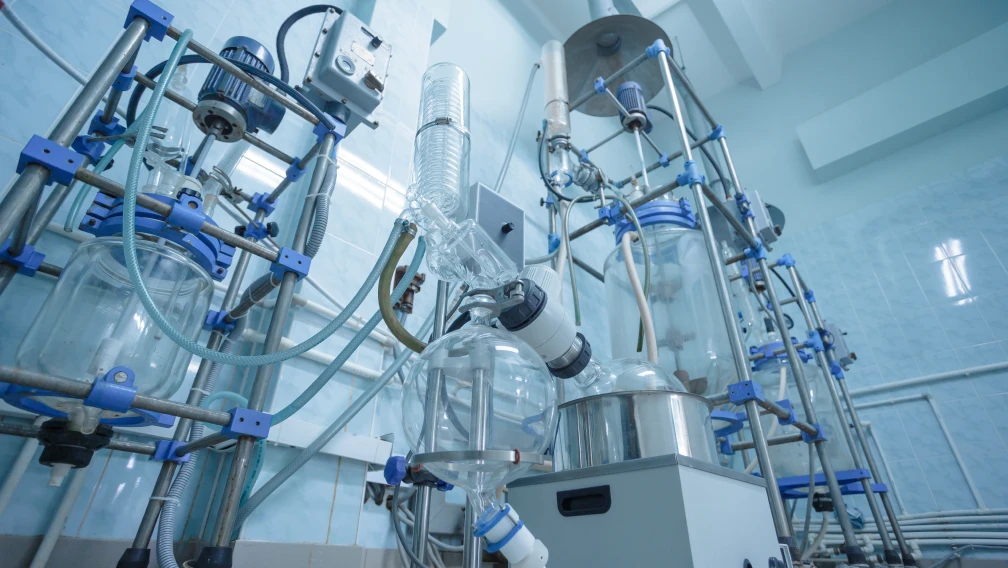
Manufacturing drug peptides under GMP conditions requires ISO-certified cleanrooms with strict environmental monitoring for particulates and viable microorganisms. Every raw material, from the starting resin to the solvents and amino acid derivatives, must be sourced from qualified vendors and tested upon receipt before use. Production is governed by highly detailed Master Batch Records (MBRs). Operators execute the synthesis exactly as written, with independent quality assurance (QA) personnel verifying critical process parameters (CPPs) at predefined hold points.
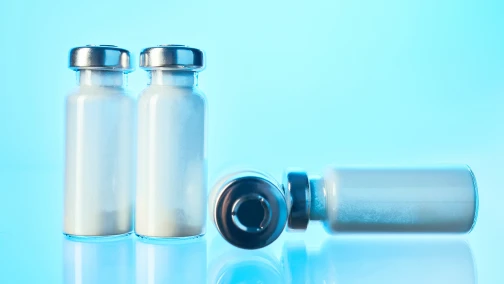
Equipment validation is another strict requirement. Synthesizers, preparative HPLC columns, and lyophilizers must undergo Installation Qualification (IQ), Operational Qualification (OQ), and Performance Qualification (PQ). Cleaning validation is executed to prove that no cross-contamination occurs between different API campaigns sharing the same equipment. The final GMP API is released only after the QA unit reviews the entire batch record, confirms the environmental data, and verifies that the final product testing (including endotoxin and bioburden limits) meets all predetermined specifications.
Phase 5: CMC Regulatory Filing
The culmination of process development, analytical validation, and GMP manufacturing is the creation of the CMC package for the Investigational New Drug (IND) application or the New Drug Application (NDA). The CMC section proves to the regulators that you know exactly what your molecule is, how it degrades, and that you can manufacture it safely and consistently at scale.
The dossier must detail the complete manufacturing process flow, the critical quality attributes (CQAs) of the peptide, the analytical procedures used for testing, and the justification for the chosen specifications. It includes the results of the forced degradation studies, batch analysis data from at least three consistent validation runs, and real-time stability data proving the assigned shelf-life. Any gap in this documentation results in an immediate clinical hold from the regulatory agency.
The Strategic Value of a Peptide CDMO
Managing the leap from a discovery laboratory to a GMP commercial facility requires deep, specialized infrastructure. Fragmenting this process—using one vendor for discovery synthesis, another for process development, and a third for GMP manufacturing—introduces massive technology transfer risks. Analytical methods often behave differently on different equipment, and synthesis routes that work in one facility frequently fail in another.
Partnering with a fully integrated peptide CDMO mitigates this risk entirely. A capable CDMO retains the institutional knowledge of the molecule from the first milligram synthesized through to the final commercial kilogram. They utilize the same analytical platforms, maintain continuous quality documentation, and scale the chemistry without requiring external technology transfers. This unified approach compresses the development timeline, eliminates redundant validation costs, and provides the regulatory expertise required to build a flawless CMC package.
Accelerate Your Clinical Pathway with SynPeptide
Navigating peptide drug development requires absolute chemical precision and uncompromising regulatory compliance. SynPeptide provides end-to-end manufacturing solutions, bridging the gap between early discovery and commercial API supply. We operate state-of-the-art cGMP facilities equipped for large-scale solid and liquid-phase synthesis, backed by a quality unit experienced in generating comprehensive CMC documentation for global regulatory submissions. For a confidential evaluation of your molecule's scalability and a detailed manufacturing proposal, contact our technical team today.
-

Synpeptide
peptide-focused CRO/CDMO company
The SynPeptide Research Team brings together scientists specializing in peptide synthesis, purification, and analytical characterization. Drawing on hands-on laboratory experience across custom and catalog peptides, the team shares evidence-based insights for researchers, formulators, and product developers. All content is reviewed against current scientific literature and internal quality-control data, reflecting SynPeptide's commitment to accuracy, reproducibility, and the responsible communication of peptide science.