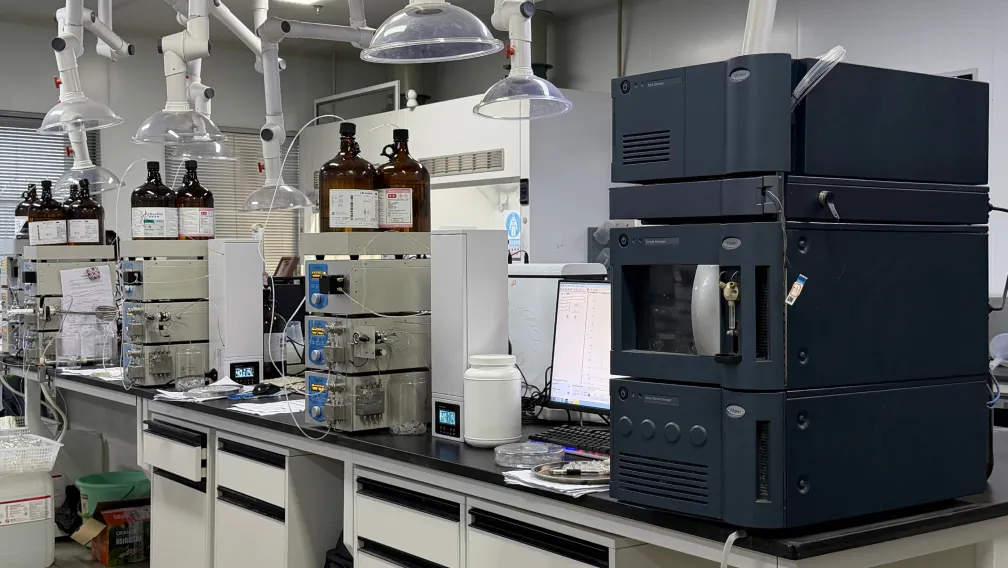
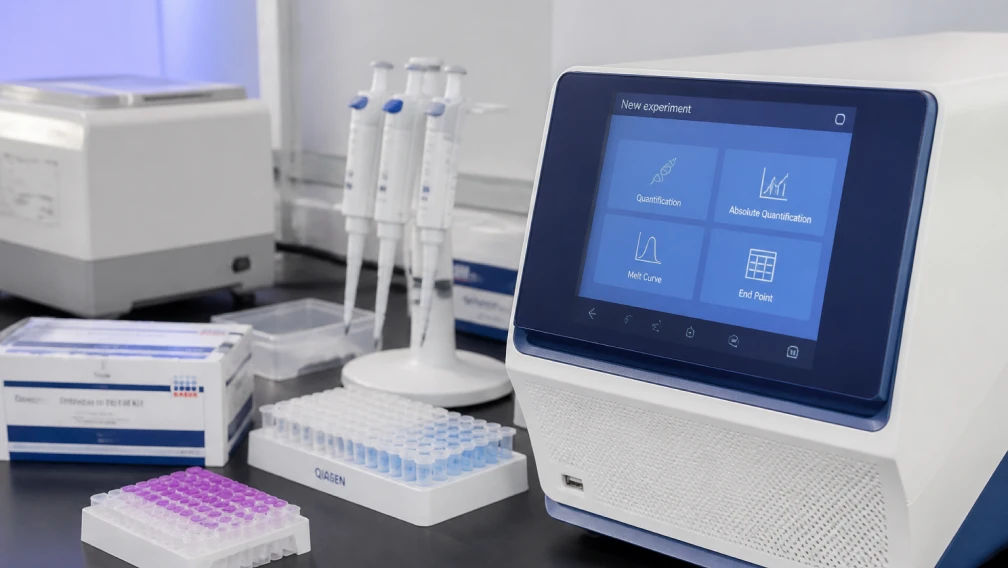
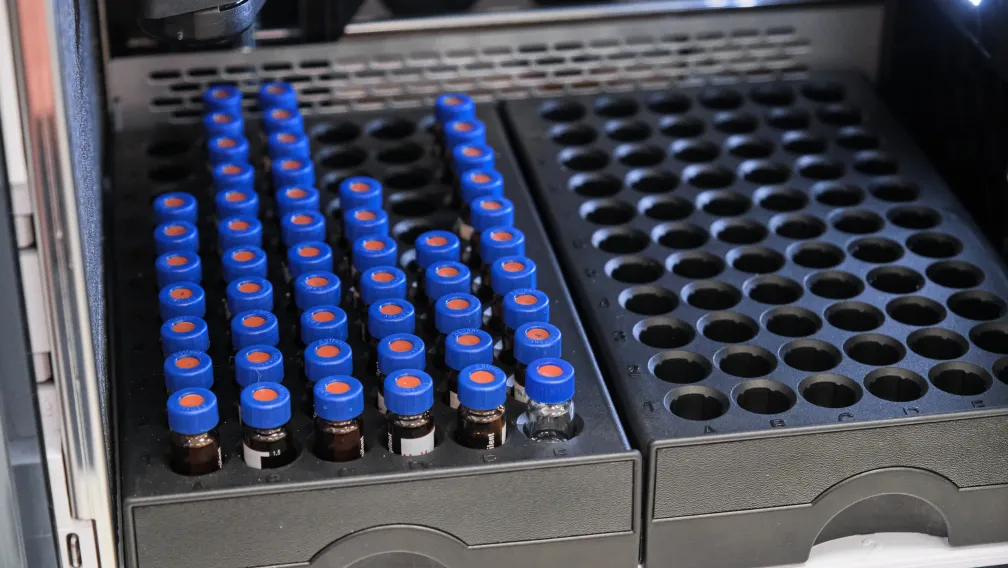
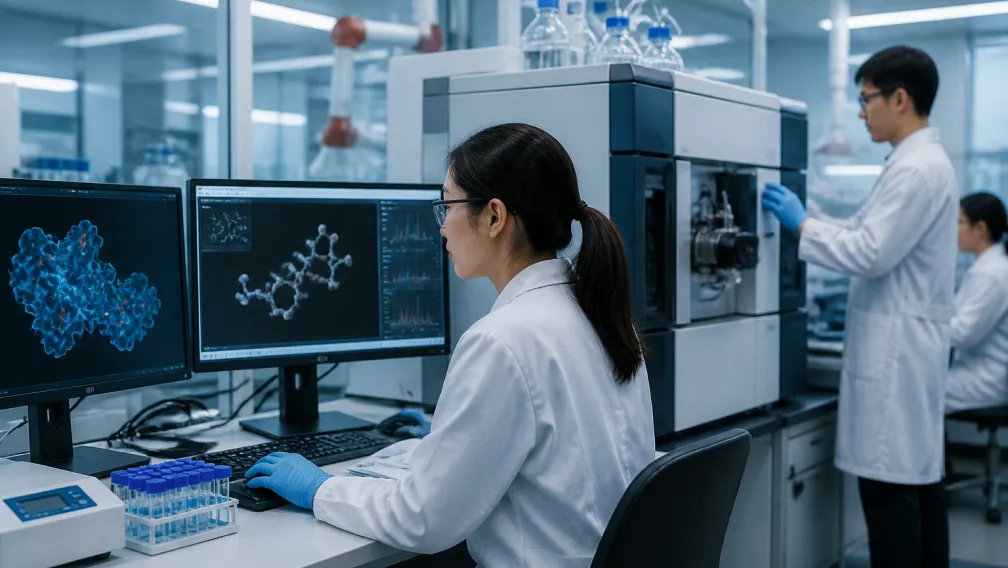
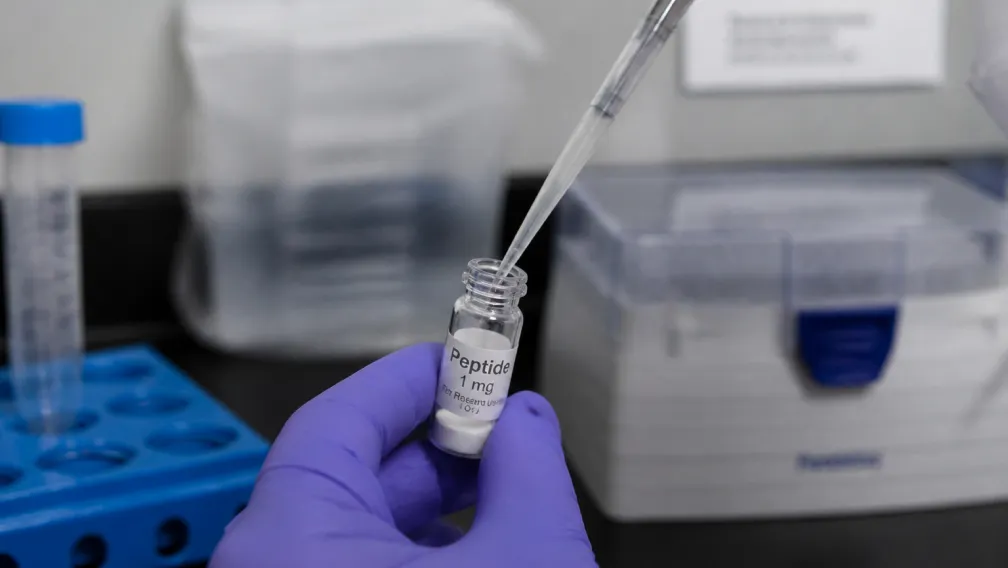
In commercial peptide therapeutic manufacturing, downstream processing (DSP) represents the single largest economic bottleneck. While upstream solid-phase synthesis dictates the initial crude purity and sequence integrity, preparative High-Performance Liquid Chromatography (prep-HPLC) typically accounts for 60% to 70% of total Active Pharmaceutical Ingredient (API) production costs. The economics of commercial-scale peptide isolation are governed by high consumption of HPLC-grade organic solvents, stationary phase silica degradation, cycle times, and yield trade-offs inherent to resolving closely eluting epimers and deletion sequences. Establishing quantitative cost control models is essential for biopharmaceutical developers and manufacturing partners to transition candidates from clinical trials into sustainable commercial supply.
The Core Cost Breakdown of Large-Scale Preparative HPLC
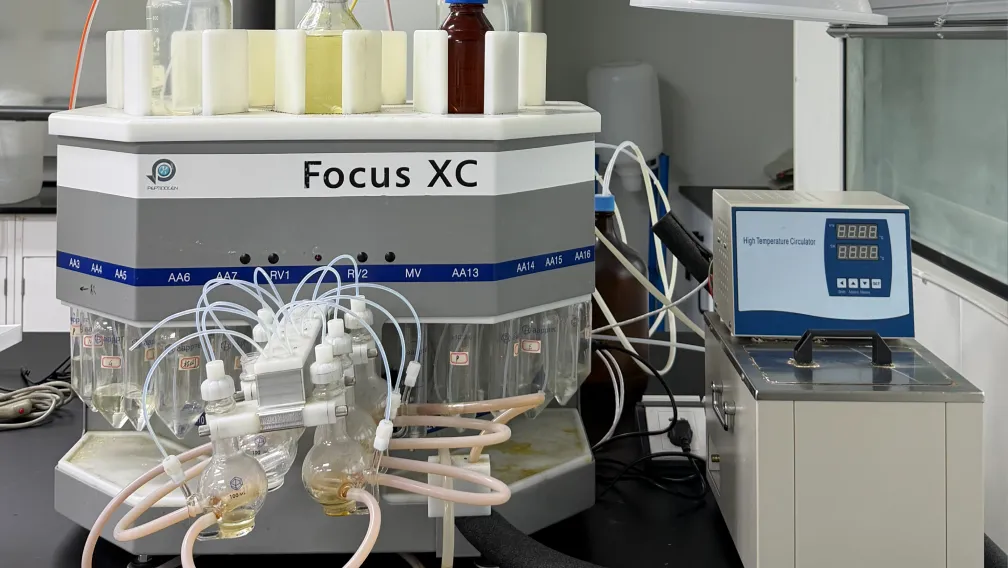
Analyzing the cost structure of industrial peptide purification reveals that operating expenditures (OPEX) quickly eclipse capital expenditures (CAPEX) within early commercial campaigns. While a multi-column Dynamic Axial Compression (DAC) installation represents a significant initial capital layout, operational metrics dominate per-gram API economics.
| Cost Driver Category | Percentage of Downstream Cost | Primary Process Contributors | Engineering Optimization Levers |
|---|---|---|---|
| Solvent Procurement & Disposal | 45% – 55% | Acetonitrile (ACN), Methanol, TFA, Water for Injection (WFI), waste incineration fees | In-line distillation, solvent recycling loops, simulated moving bed (SMB) chromatography |
| Stationary Phase Media | 15% – 20% | C18 / C8 spherical silica replacement, packing attrition, fouling from crude components | Dynamic Axial Compression (DAC), alkaline-resistant hybrid silicas, guard columns |
| Yield Loss & Rework | 15% – 25% | Center-cut fraction collection, overlapping impurities (D-amino acid epimers), fraction re-purification | Displacement chromatography, orthogonal step gradients, analytical cut-point automation |
| Utilities & Lyophilization | 10% – 15% | Energy consumption of chiller units, nitrogen generation, high-vacuum freeze-drying cycles | Reverse osmosis pre-concentration, solvent displacement prior to lyophilization |
To reduce overall manufacturing overhead, chemical engineers and procurement specialists must optimize each variable through mechanistic modeling rather than empirical trial-and-error, as introduced in our foundational review of peptide synthesis cost factors.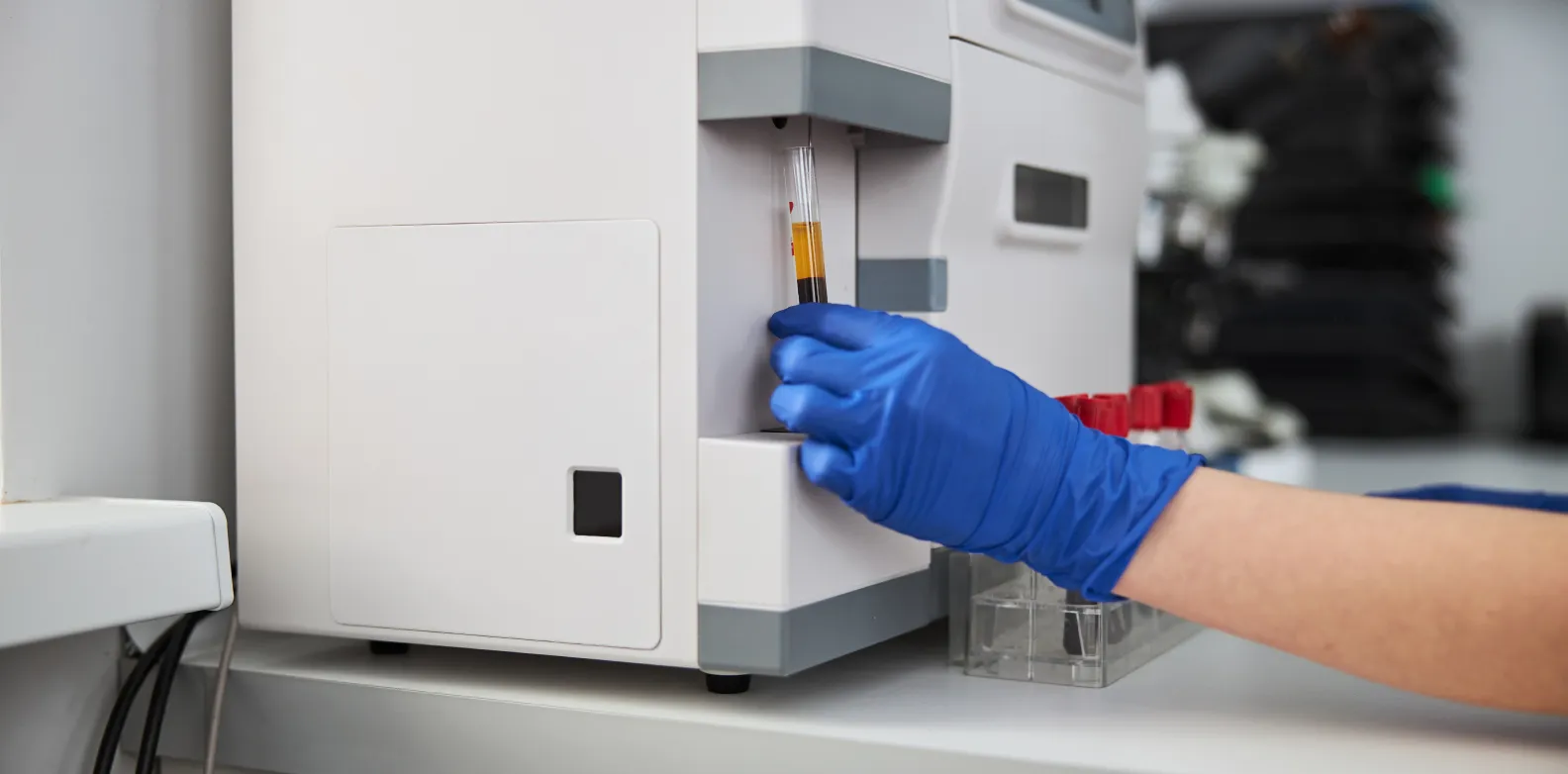
Solvent Economics: Volume Reduction and Recycling Frameworks
Reversed-Phase Preparative HPLC (RP-prep-HPLC) is fundamentally solvent-intensive. Purifying one kilogram of a typical 30-mer synthetic peptide API can generate between 3,000 and 8,000 liters of aqueous-organic waste. Acetonitrile remains the preferred organic modifier due to its low viscosity, UV transparency, and volatility during lyophilization. However, fluctuating petrochemical feedstocks and hazardous waste incineration costs make uncontrolled solvent consumption economically prohibitive.
Closed-Loop Distillation and Solvent Recovery
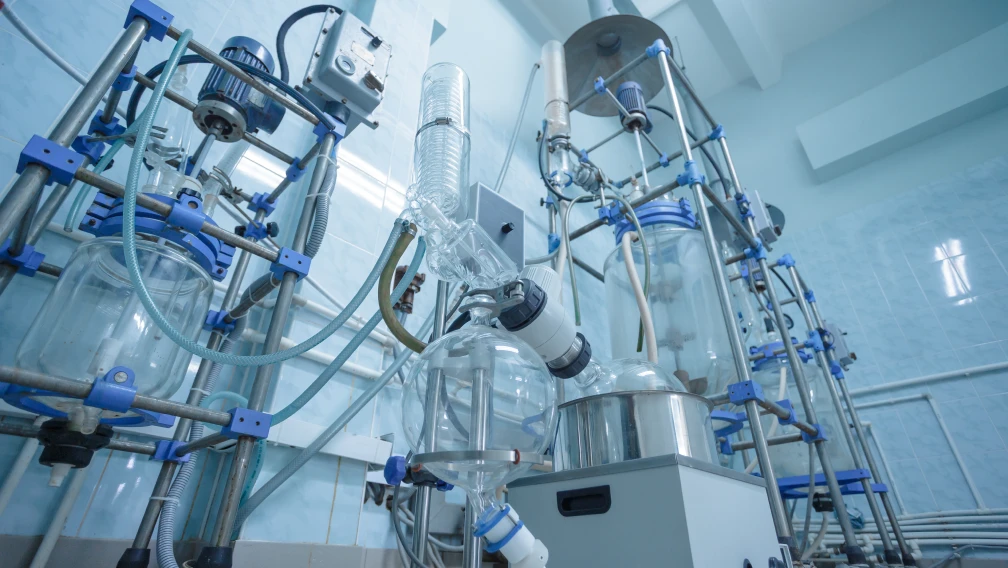
Modern commercial facilities integrate dedicated fractional distillation units configured for the recovery of acetonitrile and methanol from chromatographic eluents. Effluent streams are partitioned based on solvent purity. Non-product-containing wash fractions and baseline-separation fractions are diverted to automated rotary or continuous falling-film evaporators. Recovered acetonitrile is rectified to remove residual water, trifluoroacetic acid (TFA), and low-boiling volatile contaminants, restoring solvent purity to greater than 99.5% by GC-FID. Re-introducing recycled acetonitrile into mobile phase preparations reduces net solvent procurement costs by up to 40% and mitigates volatile organic compound (VOC) compliance fees under international Environmental, Social, and Governance (ESG) mandates.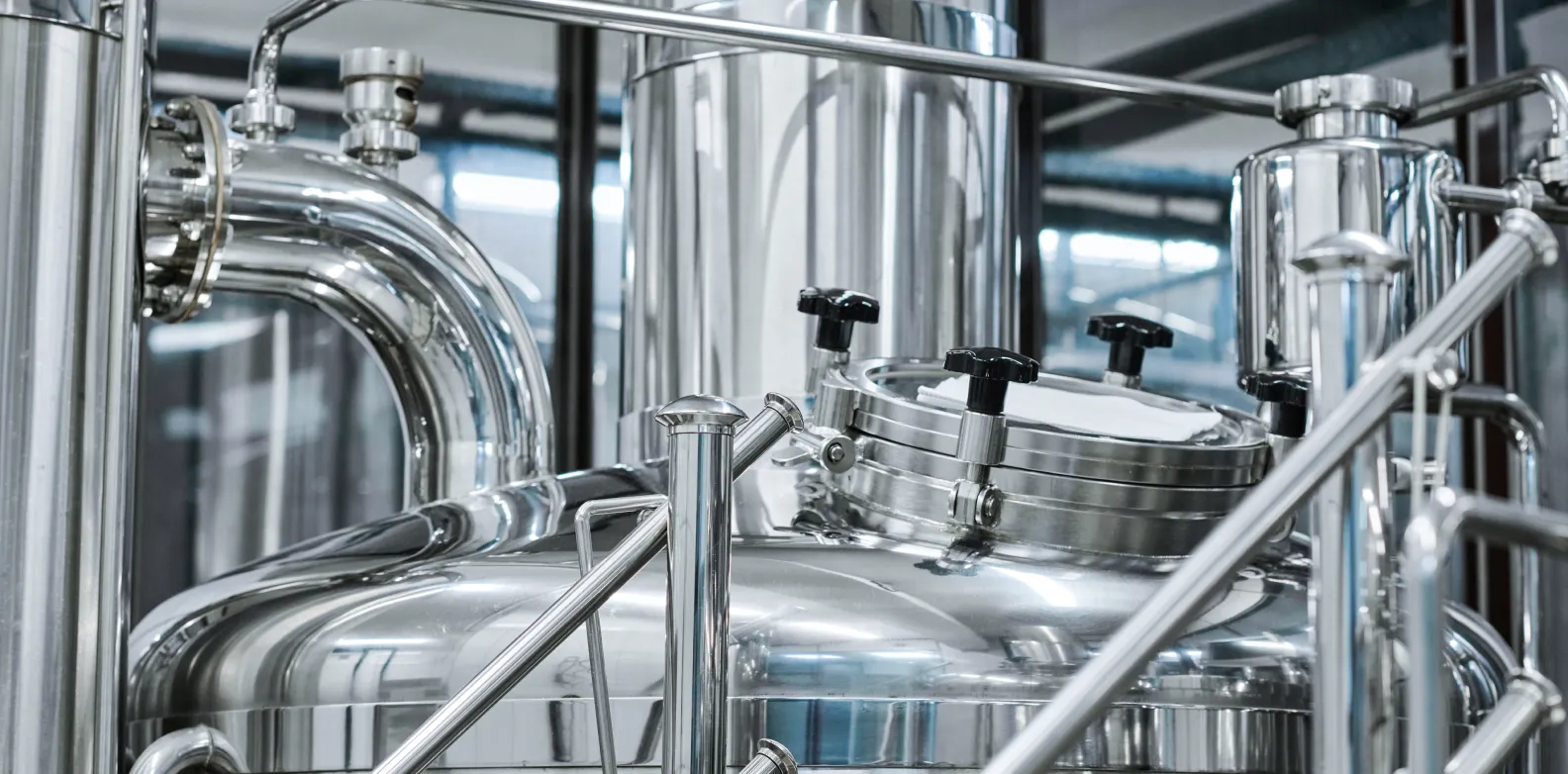
Alternative Solvents and Mixed-Mode Systems
Where sequence solubility permits, process developers explore substituting acetonitrile with industrial-grade ethanol or isopropanol (IPA) during initial capture steps. While ethanol exhibits higher backpressure due to its viscosity, its lower toxicity, lower purchase cost, and easier biological wastewater treatment profile offer marked economic benefits for early-stage crude clarification. Mixed-mode stationary phases combining hydrophobic and ion-exchange ligands also allow higher aqueous mobile phase compositions, directly cutting organic solvent expenditure.
Stationary Phase Optimization and Column Lifetime Modeling
Stationary phase media represents a substantial recurring expense in large-scale peptide synthesis. High-purity, bare silica derivatized with C18 alkyl chains and narrow particle size distributions (typically 10 µm to 15 µm for preparative applications) costs several thousand dollars per kilogram. In DAC columns with internal diameters ranging from 200 mm to 600 mm, a single column repacking requires tens of kilograms of media.
Maximizing stationary phase lifetime requires stringent physical and chemical preservation protocols:
- Elimination of Mechanical Attrition: Traditional axial compression can crush fragile silica particles if hydraulic piston pressure is uncalibrated. DAC systems must deploy active hydraulic monitoring to maintain uniform bed density without exceeding particle shear thresholds.
- Preventing Irreversible Column Fouling: Crude peptide mixtures from global acidolytic cleavage contain highly hydrophobic polymeric scavengers and truncated failure sequences. Passing crude feeds through inexpensive sacrificial guard columns or polymeric solid-phase extraction (SPE) pre-filters removes resin fines and insolubles before the sample reaches the DAC bed.
- Chemical Resistance and Clean-in-Place (CIP): Standard alkyl-bonded silicas degrade rapidly when subjected to acidic or basic extremes. Utilizing organically hybrid silica particles (bridged ethyl-silicon matrices) extends column stability across an operating pH range of 1.0 to 11.0, enabling aggressive CIP wash cycles with 0.1 M sodium hydroxide to remove recalcitrant peptide aggregates and restore bed resolution over hundreds of cycles.
Overcoming the Loading vs. Resolution Trade-Off
The core objective of preparative chromatography is maximizing mass throughput per unit of time (productivity, $g/kg_{media}/hour$) while maintaining the target API purity specification (typically ≥ 98.0%). In analytical settings, chromatography operates within the linear isotherm region where sample loading is minimal. In commercial production, columns must run under severe non-linear overloading conditions.
Achieving high productivity without catastrophic yield loss relies on two advanced operational methodologies: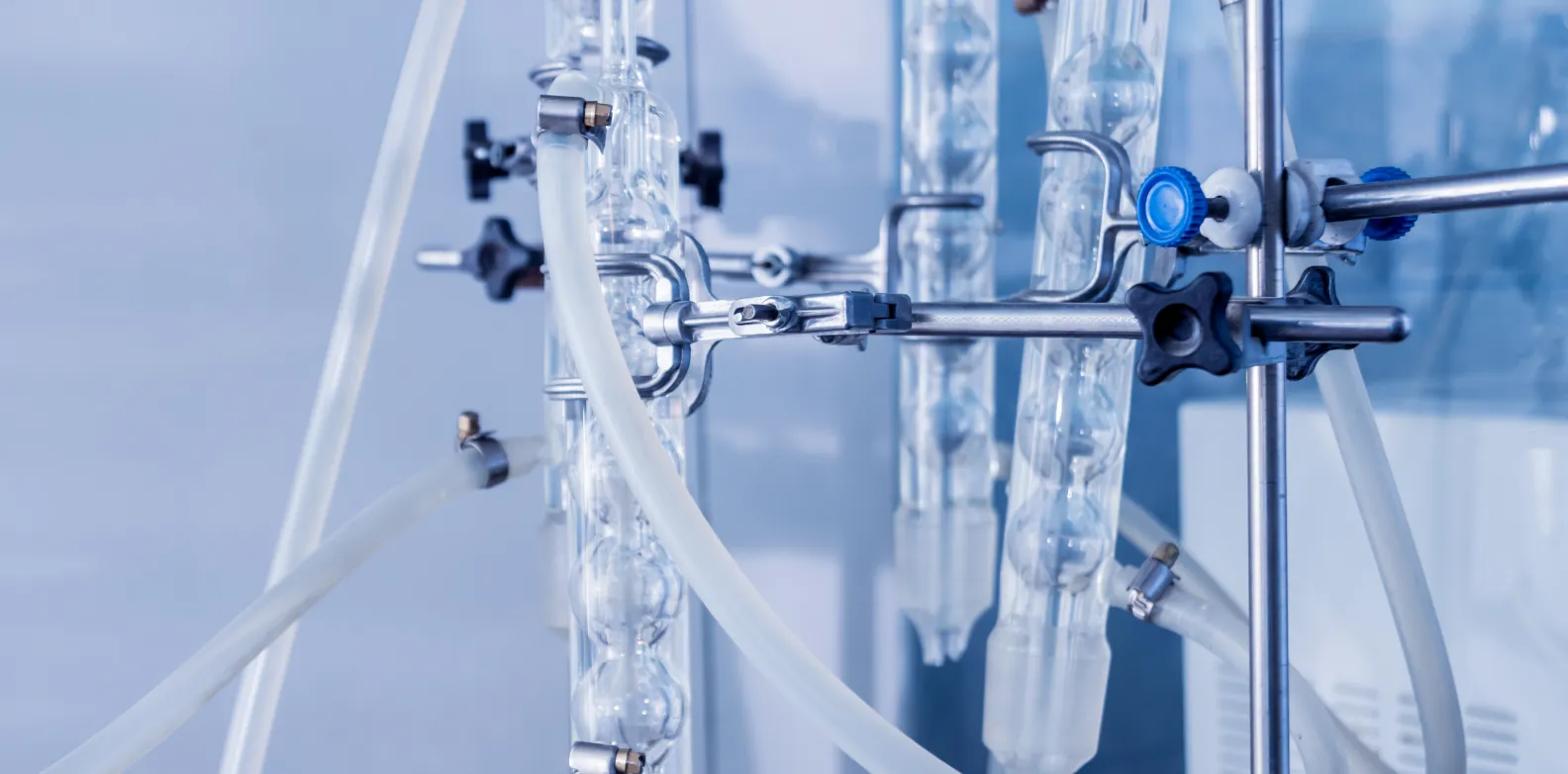
1. Displacement Chromatography
Instead of relying entirely on elution chromatography—where large volumes of solvent are consumed to separate individual components along a retention gradient—displacement chromatography employs a high-affinity displacer molecule. The displacer pushes the peptide components through the column in concentrated, adjacent zones based on their relative binding affinities. This method increases mass loading capacities by a factor of 3 to 5 compared to standard overloaded elution, significantly lowering solvent volume per gram of isolated API.
2. Orthogonal Two-Step Gradient Profiling
Peptide synthesis inherently generates isomeric and epimeric byproducts that co-elute under standard conditions. Attempting to resolve all impurities in a single chromatographic step often requires flat gradient slopes, which balloon solvent volumes and dilute target pools. A more cost-effective approach utilizes an orthogonal two-step system: a first step at low pH (e.g., TFA or formic acid modifier) to remove truncated sequences, followed by a second step at neutral or basic pH (e.g., ammonium acetate or ammonium bicarbonate buffer) to resolve deamidated and epimeric forms. Isolating these critical species relies on precise analytical mapping, as discussed in our technical report on identifying missing and mismatched peptides.
Yield vs. Purity Optimization Models
In commercial peptide manufacturing, yield and purity represent opposing parameters. Collecting an ultra-pure "center-cut" fraction of the main chromatographic peak ensures compliance with stringent pharmacopeial standards but inevitably discards acceptable material residing in the peak shoulders. Conversely, widening the fraction collection window to capture higher yields risks incorporating critical drug peptide impurities.
CDMO engineering teams utilize mathematical cost modeling to determine the economic optimum of the cut-point:
When upstream synthesis of complex sequences involves expensive non-natural building blocks or complex peptide modifications, the monetary value of the crude peptide is exceptionally high. In such cases, running columns with narrower center-cuts and routing the contaminated shoulder fractions through an automated secondary "rework" cycle is financially preferable to discarding the material. Automated in-line UV-Vis and mass-directed fraction collectors eliminate operator error, ensuring that fraction switching occurs at exact analytical thresholds.
Downstream Operational Synergies in Commercial CDMOs
Controlling costs in preparative HPLC is not merely an isolated chromatographic problem; it requires close integration with upstream synthesis and downstream isolation. Effluent fractions collected from prep-HPLC contain large volumes of water and organic solvents, which must be removed before final drug product release. Relying entirely on lyophilization to sublimate dilute solutions is energetically inefficient and prolongs cycle times.
World-class manufacturing setups deploy intermediate nanofiltration or reverse osmosis (RO) systems upstream of the freeze-dryers. Nanofiltration membranes retain the peptide API while allowing water, salts, and organic solvents to pass through, concentrating the target peptide solution by a factor of 4 to 8 prior to freezing. This concentration step cuts lyophilization energy consumption by more than 50% and accelerates overall plant turnaround times.
For global pharmaceutical sponsors, partnering with an experienced peptide CDMO equipped with automated DAC chromatography, closed-loop solvent reclamation, and membrane pre-concentration is the single most effective hedge against escalating production costs. Detailed strategic alignment across these engineering disciplines ensures that complex synthetic peptides remain commercially competitive and therapeutically accessible over their entire commercial lifecycles.
-

Synpeptide
peptide-focused CRO/CDMO company
The SynPeptide Research Team brings together scientists specializing in peptide synthesis, purification, and analytical characterization. Drawing on hands-on laboratory experience across custom and catalog peptides, the team shares evidence-based insights for researchers, formulators, and product developers. All content is reviewed against current scientific literature and internal quality-control data, reflecting SynPeptide's commitment to accuracy, reproducibility, and the responsible communication of peptide science.