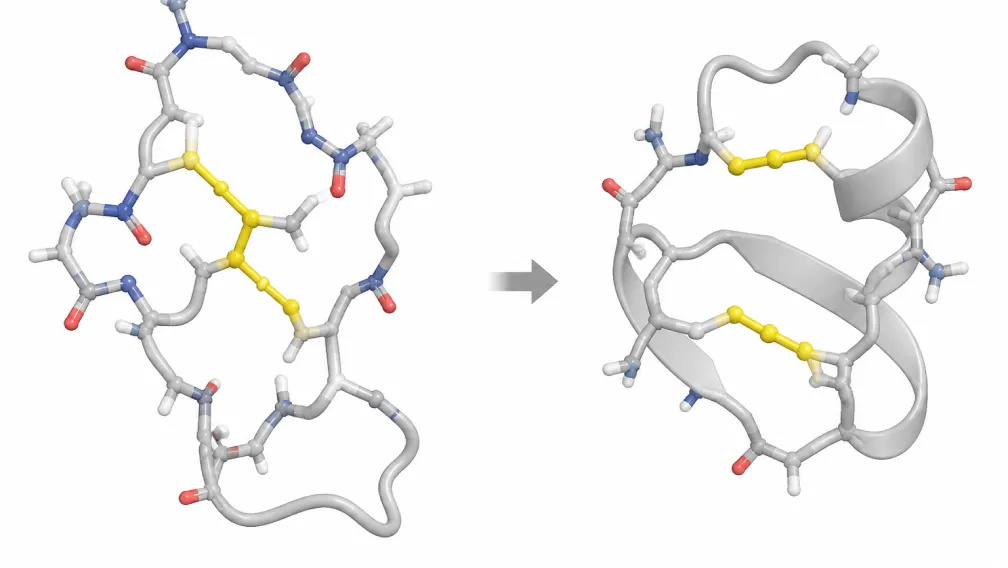
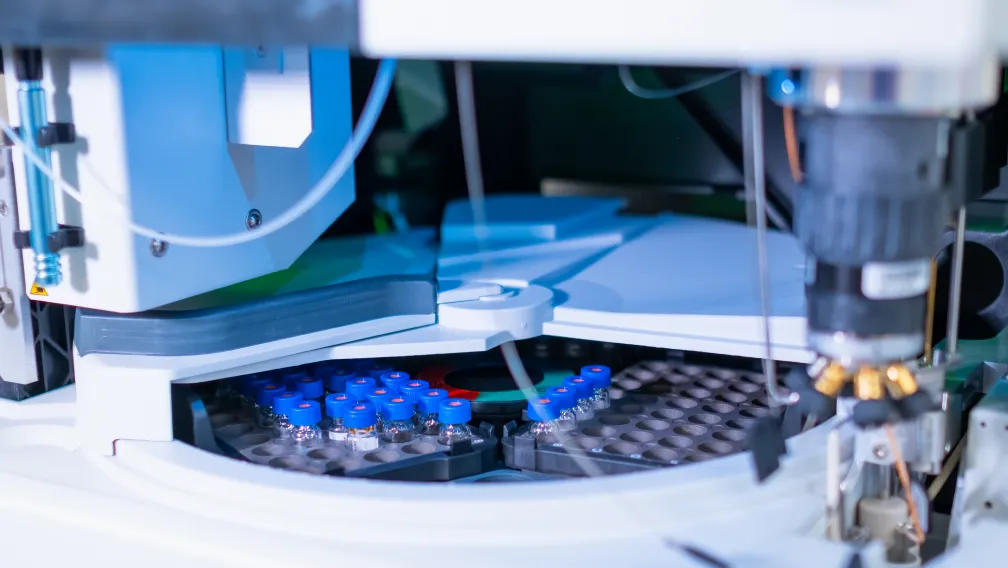
The transition of peptide therapeutics from subcutaneous injections to oral formulations represents a critical milestone in biopharmaceutical development. Oral administration drastically improves patient compliance, eliminates injection-site reactions, and significantly expands the addressable market for chronic metabolic and endocrine therapies. However, synthetic peptides face formidable anatomical and biochemical barriers in the human gastrointestinal (GI) tract. When administered orally, naked peptides undergo rapid enzymatic degradation by aggressive gastric proteases and exhibit negligible epithelial permeability due to their high molecular weight and inherent hydrophilicity. Overcoming this profound "gastric barrier" requires highly sophisticated formulation engineering. Among the most successful commercial strategies developed to date is the co-formulation of therapeutic peptides with specialized permeation enhancers, most notably Sodium N-[8-(2-hydroxybenzoyl)amino]caprylate (SNAC). This pharmacological breakthrough has established a new paradigm in oral peptide delivery, compelling pharmaceutical developers and contract manufacturing organizations to optimize excipient compatibility, analytical methods, and highly scalable manufacturing processes.
The Gastrointestinal Bottleneck: Enzymatic and Anatomical Barriers
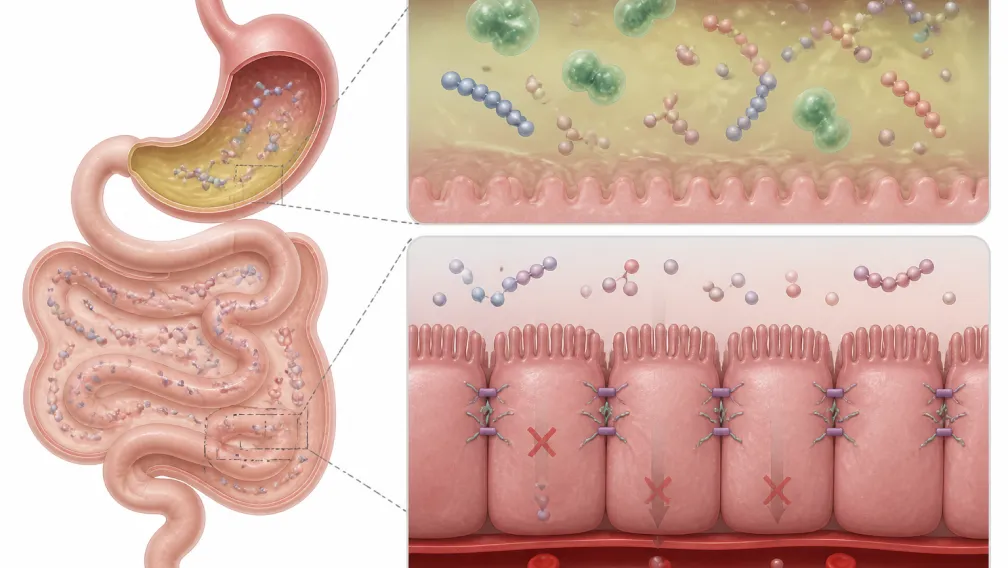
The human digestive system is evolutionarily designed to break down complex dietary proteins into individual amino acids, presenting an extremely hostile environment for synthetic drug peptides. The primary bottleneck in oral peptide delivery is twofold: severe chemical and enzymatic degradation in the stomach, followed by physical exclusion at the intestinal epithelium.
Upon entering the stomach, a peptide encounters a highly acidic environment with a pH ranging from 1.5 to 3.5. This extreme acidity rapidly catalyzes the hydrolysis of vulnerable amide bonds along the peptide backbone. Concurrently, the stomach secretes pepsin, a potent endopeptidase that cleaves peptide bonds aggressively at low pH levels. Peptides that survive the gastric environment pass into the duodenum, where they are subjected to a secondary wave of pancreatic proteases, including trypsin, chymotrypsin, and elastase, which rapidly dismantle the remaining intact molecules.
Even if a peptide sequence is chemically engineered to resist enzymatic cleavage, it must still cross the intestinal epithelium to reach systemic circulation. The intestinal lining is composed of a continuous layer of epithelial cells bound tightly together by complex protein networks known as tight junctions. These tight junctions restrict paracellular transport (movement between cells) to molecules typically smaller than 500 Daltons. Since most therapeutic peptides have molecular weights ranging from 3,000 to 5,000 Daltons, they are physically excluded from paracellular transport. Furthermore, their highly hydrophilic nature prevents transcellular diffusion (movement directly through the cell membrane), which requires a high degree of lipophilicity. Consequently, the absolute oral bioavailability of unmodified, naked peptides is typically less than 1%.
The Pharmacology of Permeation Enhancers
To bypass these absolute biological restrictions, formulators rely on absorption or permeation enhancers. These specialized excipients are co-formulated with the active pharmaceutical ingredient (API) in the solid dose form to temporarily alter the physicochemical environment of the GI tract or modulate the permeability of the intestinal epithelium. Permeation enhancers are broadly categorized into paracellular enhancers, which temporarily open tight junctions, and transcellular enhancers, which facilitate direct membrane crossing by increasing the lipophilicity of the target molecule.
SNAC: Mechanism of Action in Oral Peptide Delivery
Sodium N-[8-(2-hydroxybenzoyl)amino]caprylate (SNAC) is a synthetic transcellular permeation enhancer that has revolutionized oral peptide delivery. Its integration into commercial therapies, such as the oral formulation of semaglutide, provided the first definitive proof that large, complex metabolic peptides could achieve therapeutic blood concentrations via oral administration.
Localized pH Buffering and Enzymatic Protection
The first critical function of SNAC is its ability to neutralize the hostile gastric environment. When an oral tablet containing SNAC dissolves in the stomach, the excipient rapidly alters the local microenvironment. SNAC acts as a potent buffering agent, transiently elevating the pH immediately surrounding the dissolving tablet to a neutral or slightly alkaline range (approximately pH 7.0 to 8.0). This localized neutralization serves a dual purpose. First, it protects the peptide backbone from acid-catalyzed hydrolysis. Second, because the gastric protease pepsin requires a highly acidic environment (pH 1.5 to 2.5) for optimal catalytic activity, the sudden pH elevation effectively inactivates pepsin in the immediate vicinity of the API, protecting the peptide from enzymatic digestion during the critical absorption window.
Oligomer Dissociation and Monomerization
Many complex therapeutic peptides tend to self-associate into large oligomeric structures (such as hexamers) when formulated in solid dose forms or concentrated solutions. These massive molecular complexes are entirely too large to cross the gastric mucosa. SNAC interacts physically with the peptide backbone, facilitating the rapid dissociation of these bulky oligomers into individual peptide monomers. This monomerization drastically reduces the effective molecular radius of the API, satisfying the preliminary size requirements for transcellular diffusion.
Transcellular Membrane Translocation
The most crucial mechanism of SNAC involves its weak, non-covalent interaction with the peptide monomer. SNAC molecules associate with the hydrophilic regions of the peptide via hydrophobic interactions. This transient complex masks the peptide's polarity, artificially and temporarily increasing its overall lipophilicity. The highly lipophilic SNAC-peptide complex can then passively diffuse across the lipid bilayer of the gastric epithelial cells—a process known as transcellular transport. Crucially, this interaction is strictly non-covalent and fully reversible. Once the complex crosses the cell membrane and enters the systemic bloodstream, the dilution effect causes the SNAC molecules to dissociate rapidly, releasing the fully intact, biologically active peptide monomer into circulation.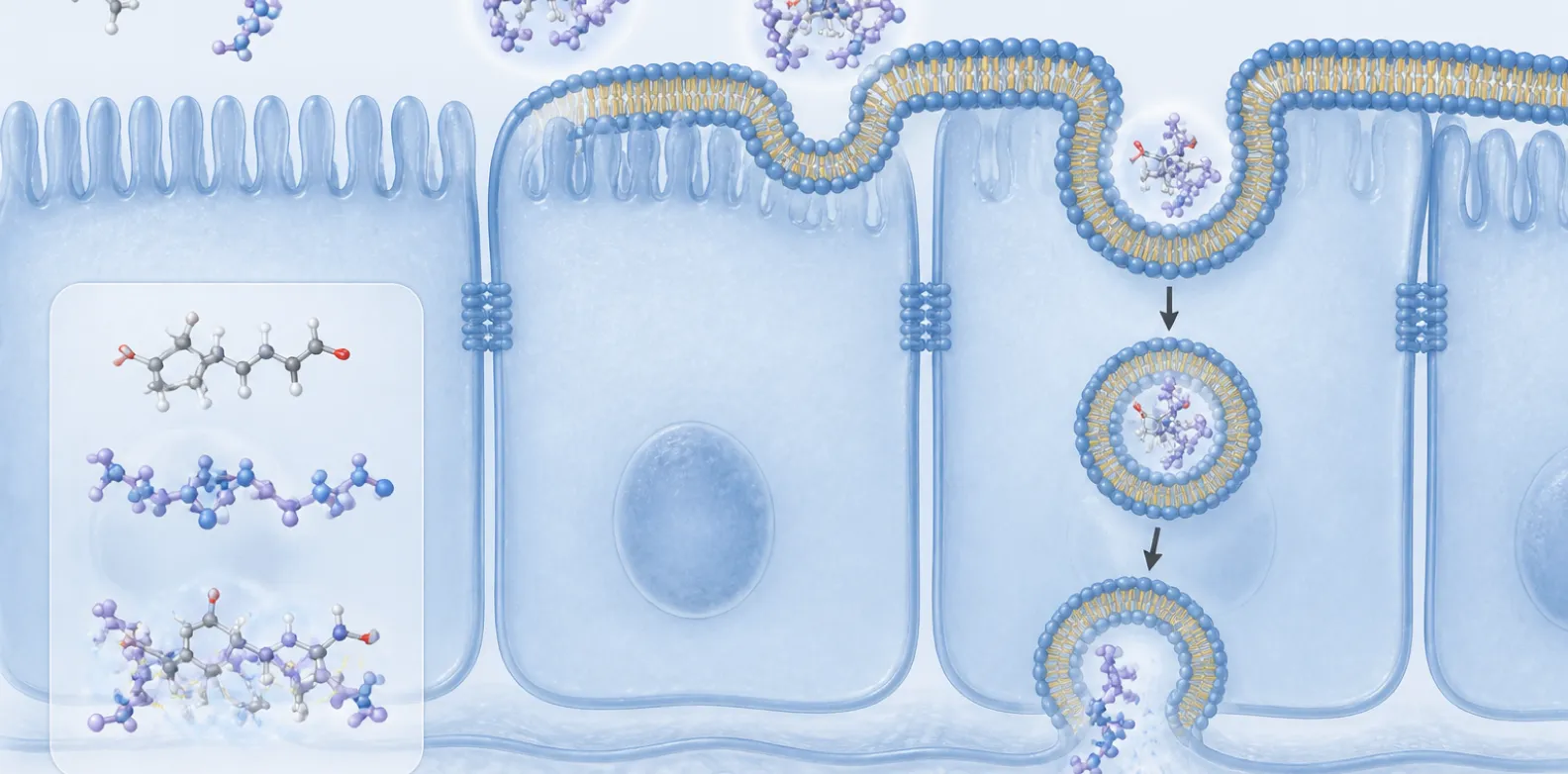
Alternative Enhancers: Sodium Caprate and Tight Junction Modulation
While SNAC dominates specific commercial niches, pharmaceutical research and development teams actively utilize other classes of permeation enhancers depending on the peptide's unique isoelectric point and structural constraints. Medium-chain fatty acids, specifically Sodium Caprate (C10), represent a highly effective alternative strategy.
Unlike SNAC, which promotes transcellular diffusion in the stomach, sodium caprate primarily acts in the small intestine to promote paracellular transport. Sodium caprate modulates intracellular calcium levels within the intestinal epithelial cells, which triggers the contraction of the actin-myosin cytoskeleton. This contraction physically and temporarily widens the tight junctions between adjacent cells, allowing large peptide molecules to slip through the gaps and enter the bloodstream. Because sodium caprate operates in the intestine, formulations utilizing C10 must employ specialized enteric coatings that resist gastric acid and only dissolve upon reaching the neutral pH of the duodenum. Additionally, advanced peptide modification techniques, such as the covalent attachment of Cell-Penetrating Peptides (CPPs), offer entirely excipient-free methods for driving intracellular delivery during upstream synthesis.
Manufacturing and Scale-Up Complexities
Transitioning a peptide therapeutic from a sterile subcutaneous injection to an oral solid dose formulation fundamentally alters the scale, economics, and engineering requirements of the manufacturing process.
API Volume Scaling and Synthesis Capacity
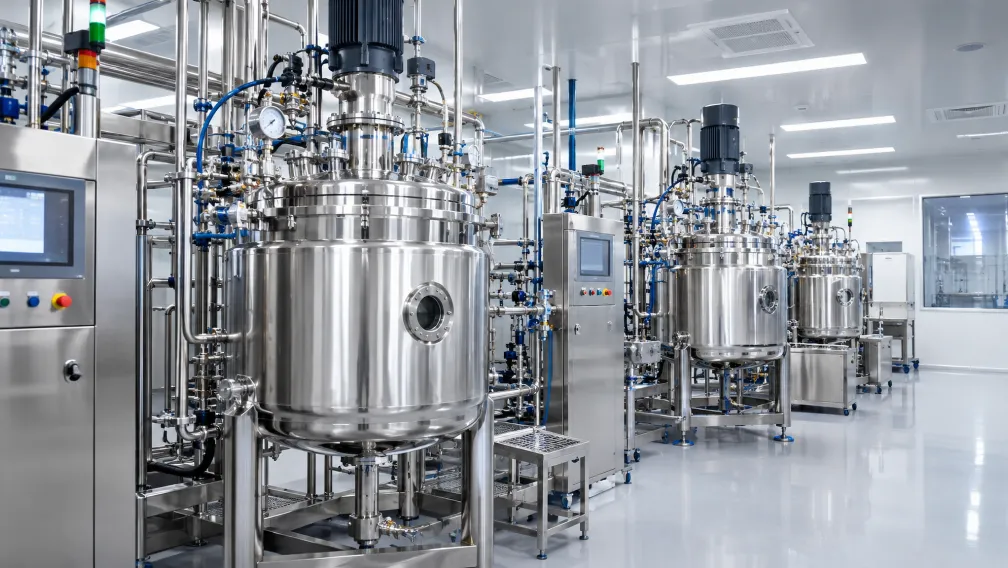
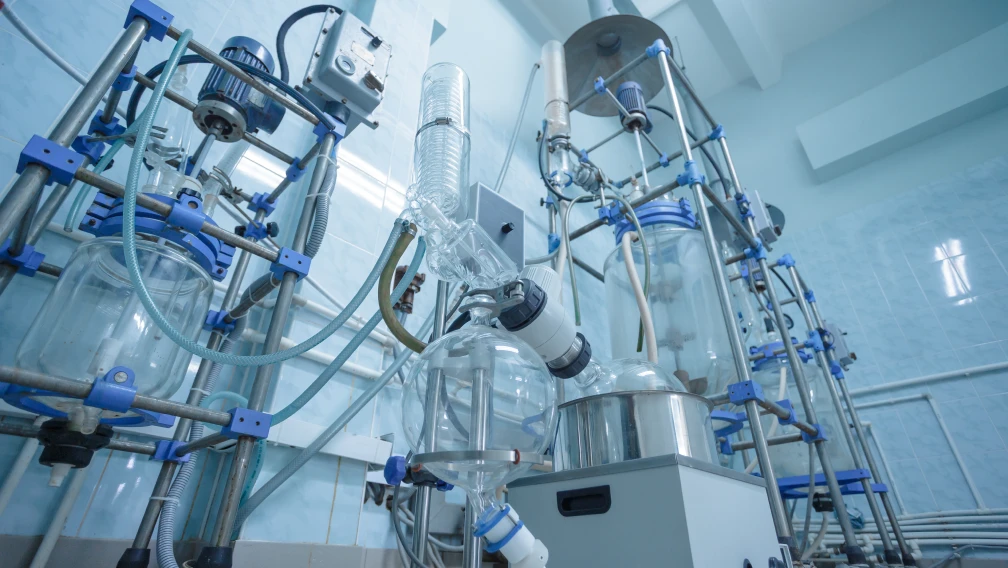
Even with highly optimized SNAC formulations, the oral bioavailability of large peptides rarely exceeds 1% to 2%. To achieve the required therapeutic plasma concentrations, oral formulations demand massive API dosing. For example, a molecule that requires a 1 mg subcutaneous injection once weekly may require a 7 mg to 14 mg oral dose administered daily. This exponential increase in mass demand forces developers to transition from traditional bench-scale chemistry to metric-ton commercial outputs. Supporting these programs requires partnering with a sophisticated peptide CDMO equipped with specialized dynamic axial compression columns and large-scale peptide synthesis reactor trains capable of yielding hundreds of kilograms of highly purified API annually.
Solid Dose Formulation and Homogeneity
Formulating with SNAC introduces profound blending challenges. The mechanism of action requires a very high mass ratio of enhancer to API—often requiring 300 mg of SNAC to protect just 3 mg to 14 mg of the active peptide. Achieving absolute homogeneity during the powder blending, roller compaction, and dry granulation phases is an immense engineering challenge. Uneven distribution of the permeation enhancer within the tablet matrix results in erratic absorption profiles, massive variations in patient blood levels, and ultimately, clinical batch failures.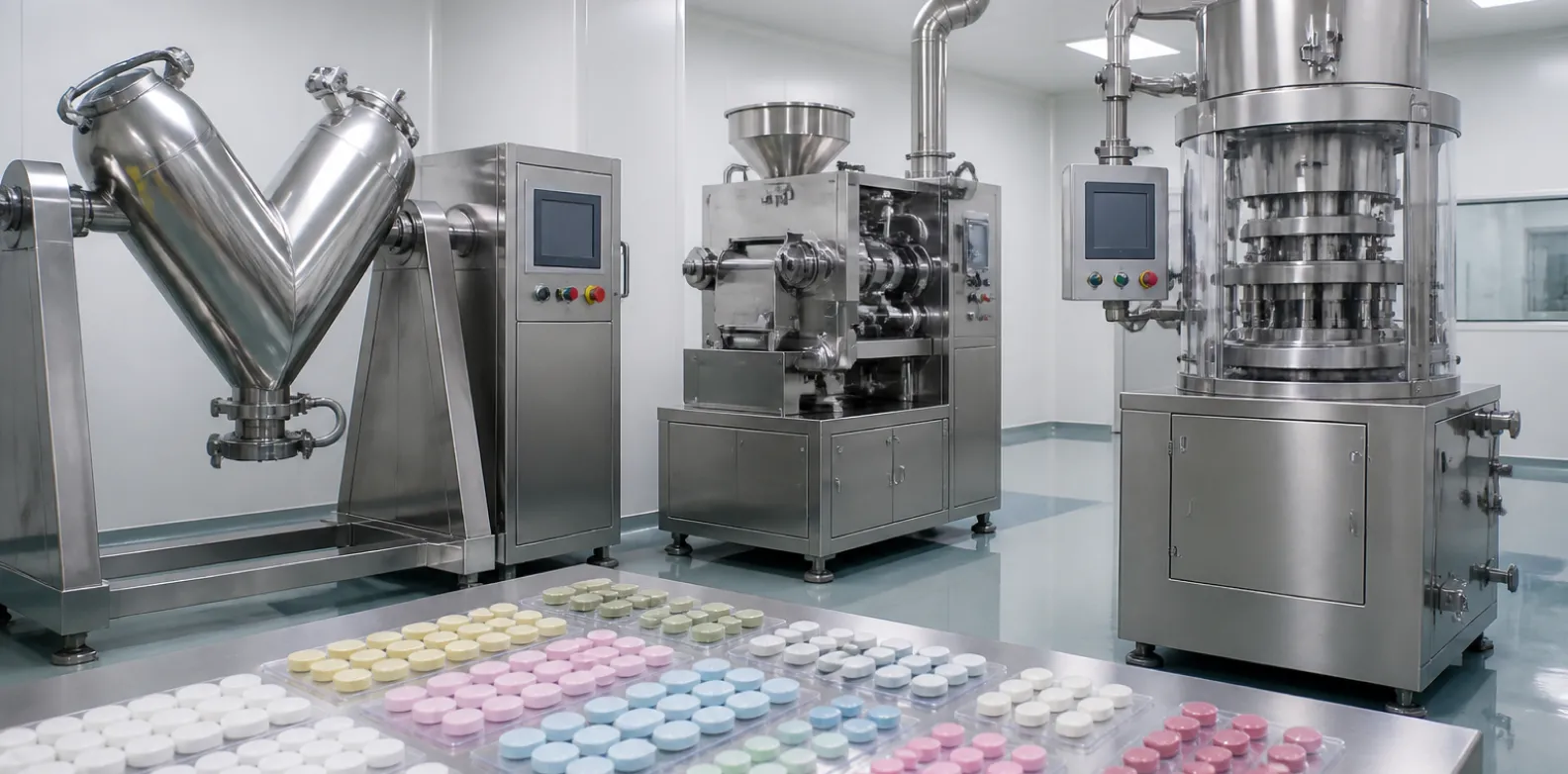
Analytical Validation and Quality Control
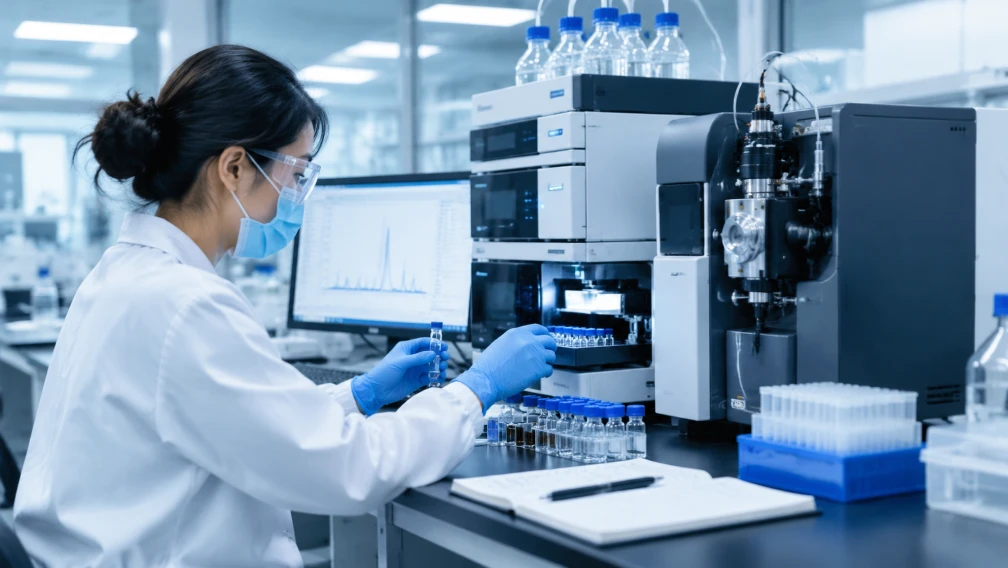
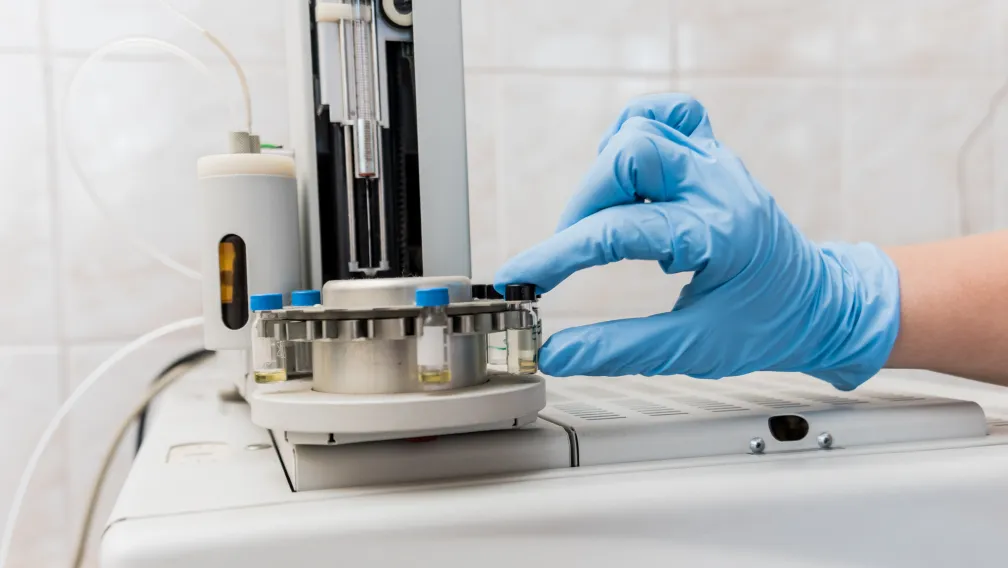
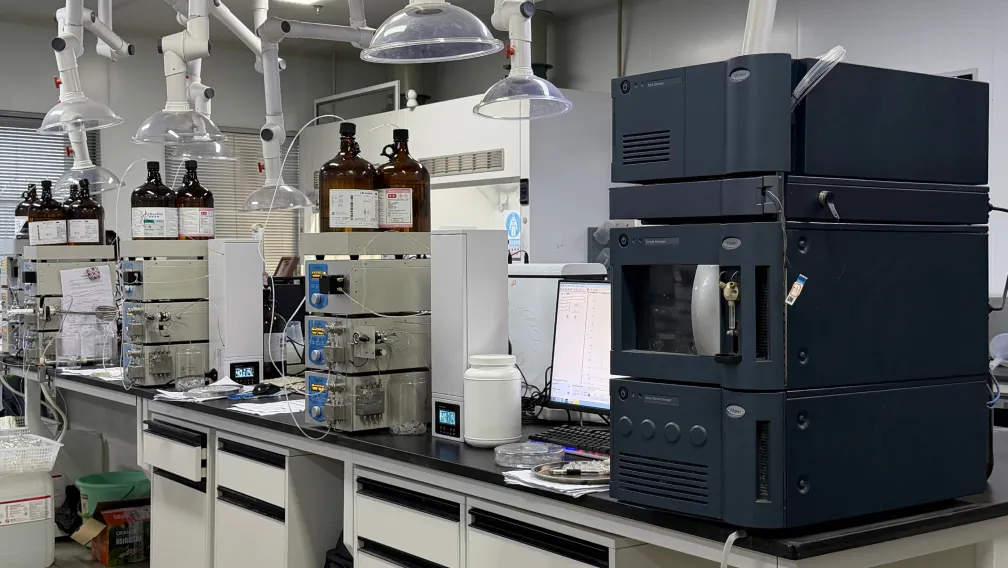
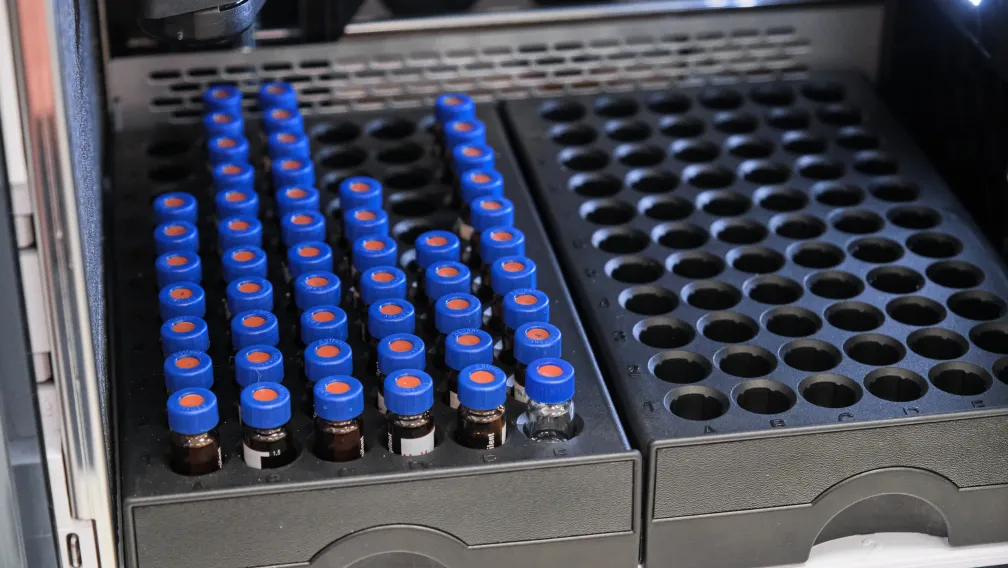
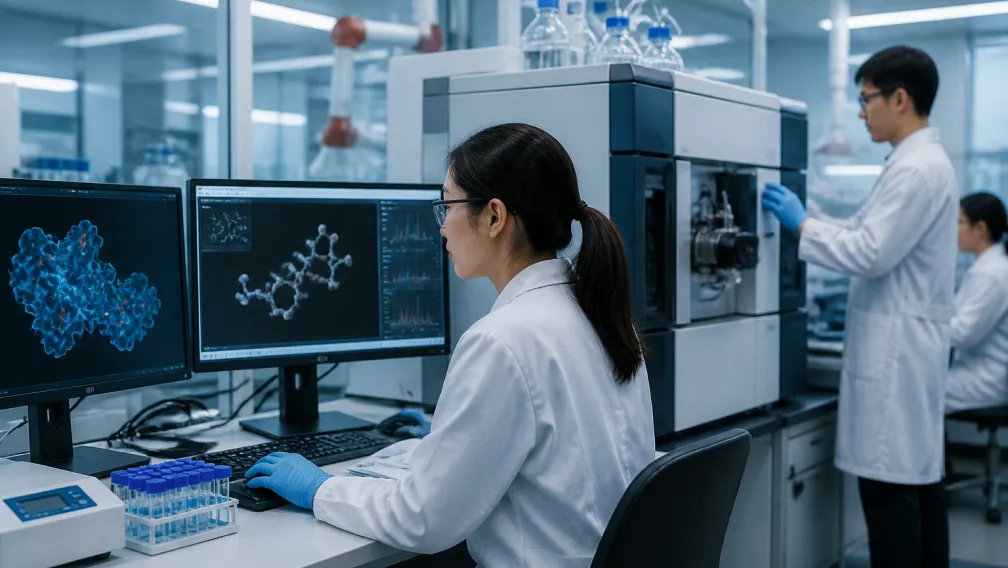
Integrating massive quantities of permeation enhancers complicates downstream analytical validation. In quality control testing, the analytical methods must resolve a relatively tiny peptide signal from the overwhelming excipient peaks in the chromatogram. Developing stability-indicating reversed-phase HPLC (RP-HPLC) and high-resolution mass spectrometry (LC-MS) methods is essential to monitor potential chemical interactions between the peptide and the enhancer during the drug product's shelf life.
Formulators must rigorously track signs of deamidation, oxidation, and acid-catalyzed hydrolysis across long-term stability studies. Securing certified reference standards for both the target API and its specific degradation products ensures the formulation remains chemically stable and biologically active under ICH storage conditions. Without exact reference benchmarking, proving batch-to-batch consistency for a complex solid-dose peptide is regulatory impossible.
Strategic Partnerships for Oral Peptide Commercialization
Developing a commercially viable oral peptide requires seamless integration between high-volume API synthesis, precision formulation engineering, and rigorous analytical control. From synthesizing the initial lead sequences via custom peptide synthesis for pre-clinical bioavailability screening, to scaling up metric-ton GMP manufacturing, working with an experienced manufacturing partner minimizes technology transfer risks and accelerates the path to market. Mastering the chemistry of permeation enhancers allows pharmaceutical developers to successfully overcome the gastric barrier, transforming complex macromolecules into highly accessible, patient-friendly oral therapeutics.
-

Synpeptide
peptide-focused CRO/CDMO company
The SynPeptide Research Team brings together scientists specializing in peptide synthesis, purification, and analytical characterization. Drawing on hands-on laboratory experience across custom and catalog peptides, the team shares evidence-based insights for researchers, formulators, and product developers. All content is reviewed against current scientific literature and internal quality-control data, reflecting SynPeptide's commitment to accuracy, reproducibility, and the responsible communication of peptide science.