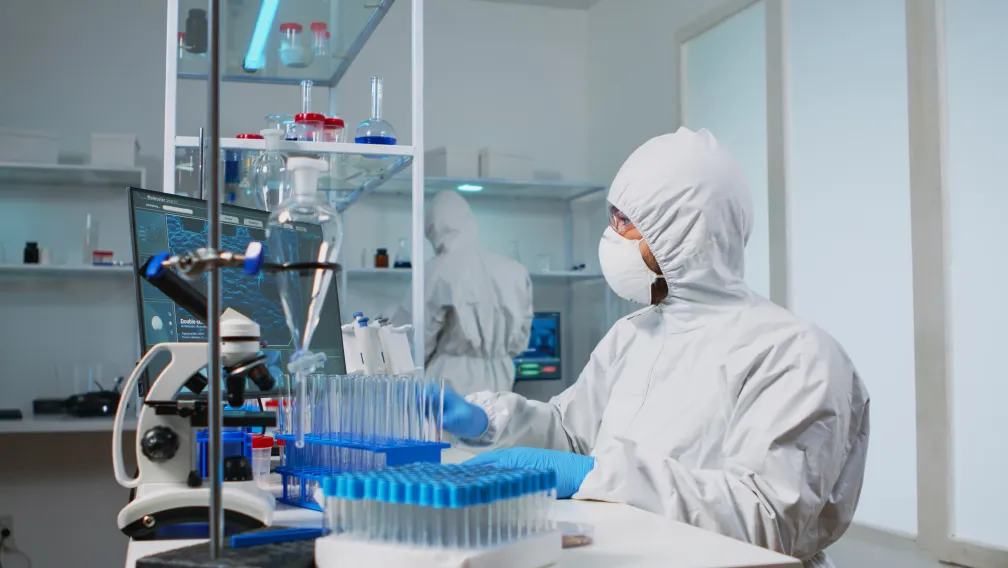
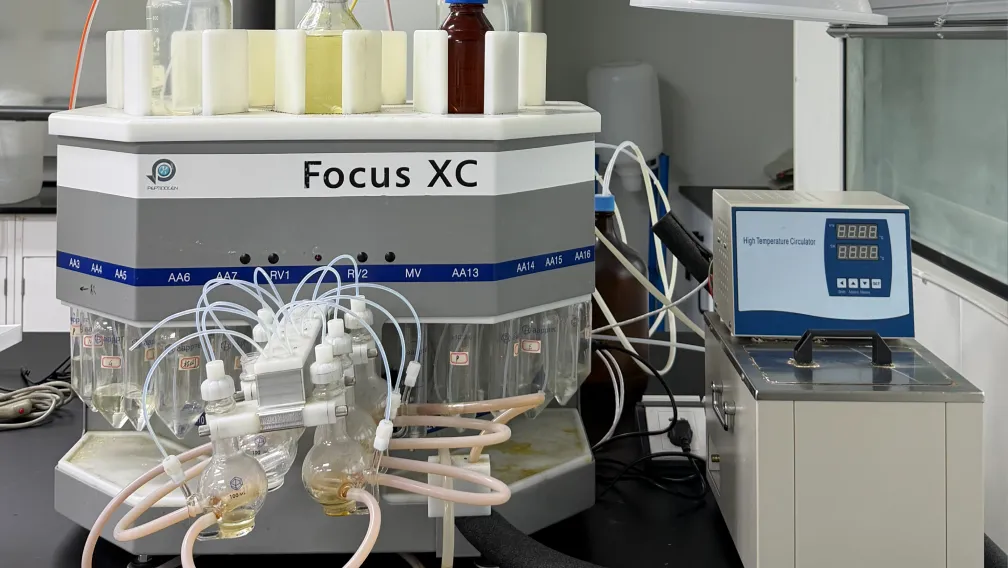
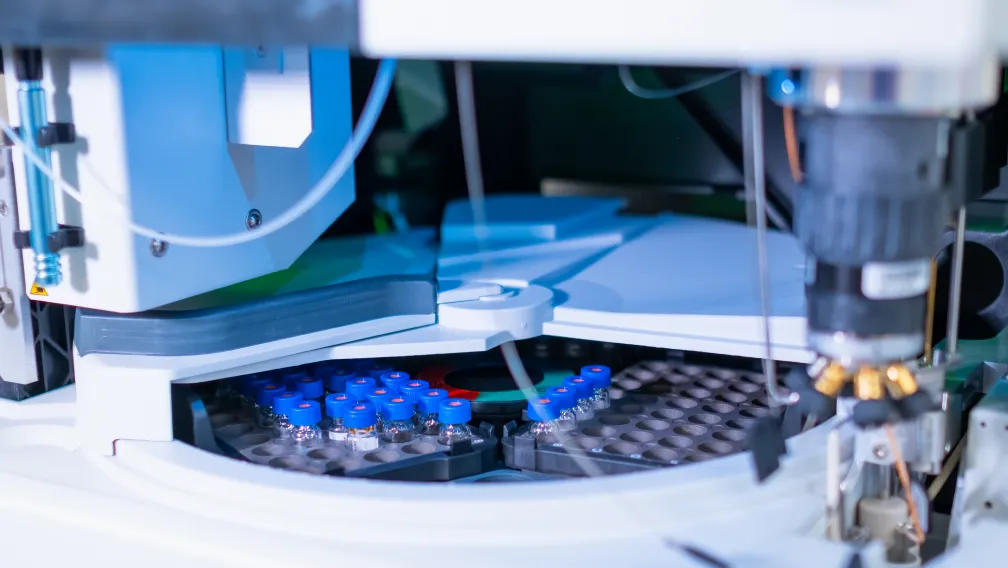
Transferring a synthetic peptide candidate from discovery and preclinical phases to commercial current Good Manufacturing Practice (cGMP) manufacturing represents one of the most demanding technical transitions in biopharmaceutical development. While discovery chemistry focuses on speed, sequence confirmation, and generating milligram-to-gram quantities for target validation, commercial manufacturing demands absolute process reproducibility, cost efficiency, and rigorous impurity control at multi-kilogram or metric ton scales. Technology transfer in this context is rarely a direct linear scale-up of laboratory protocols. Instead, it constitutes a comprehensive chemical and chemical engineering redesign governed by process parameters, raw material specifications, equipment kinetics, and regulatory standards.
The Core Disconnect: Discovery Chemistry vs. Commercial Engineering
Preclinical synthesis typically relies on manual or semi-automated benchtop synthesizers utilizing excessive equivalents of protected amino acids and expensive coupling reagents (e.g., HATU, PyBOP) to drive reactions to near completion. Cleavage protocols often incorporate massive volumes of scavengers and trifluoroacetic acid (TFA), followed by crude precipitation and analytical-scale purification. When shifting this workflow into a contract development and manufacturing organization (peptide CDMO) environment for commercial supply, these early synthetic choices prove commercially unviable, hazardous, or physically impossible to execute in production vessels.
Scaling up introduces physical and hydrodynamic limitations that do not exist at the bench scale. Heat transfer kinetics during exothermic cleavage reactions, mass transfer resistance across packed resin beds, solvent consumption metrics, and waste stream containment become defining parameters. Engineering teams must systematically replace discovery shortcuts with robust, validated unit operations that align with international quality guidelines, specifically ICH Q7, Q11, and the analytical validation directives of ICH Q2(R2).
Solid-Phase Synthesis (SPPS) Scale-Up Bottlenecks
The transition of Solid-Phase Peptide Synthesis (SPPS) to commercial scale centers on resolving chemical kinetics within enlarged mechanical reactors. Key engineering hurdles include:
1. Resin Swelling and Bed Mechanics
At bench scale, resin swelling and mechanical agitation are trivial. In industrial scale reactors accommodating kilograms of functionalized resin, swelling behavior changes dynamic volume profiles significantly. Polystyrene-based resins swell differently across various solvent mixtures (e.g., DMF vs. DCM vs. NMP). Inadequate mechanical agitation leads to channeling, localized dead zones, and uneven reagent distribution, causing incomplete coupling and deprotection cycles. Conversely, excessive mechanical shear from industrial impellers damages resin beads, generating fine particles that foul filter membranes and increase operational pressure drops. Selecting rigid, uniform-bead matrices (such as high-flow polystyrene or hybrid polymer resins) and deploying precisely calibrated mechanical rocking or automated nitrogen-bubbling agitation systems are essential engineering solutions.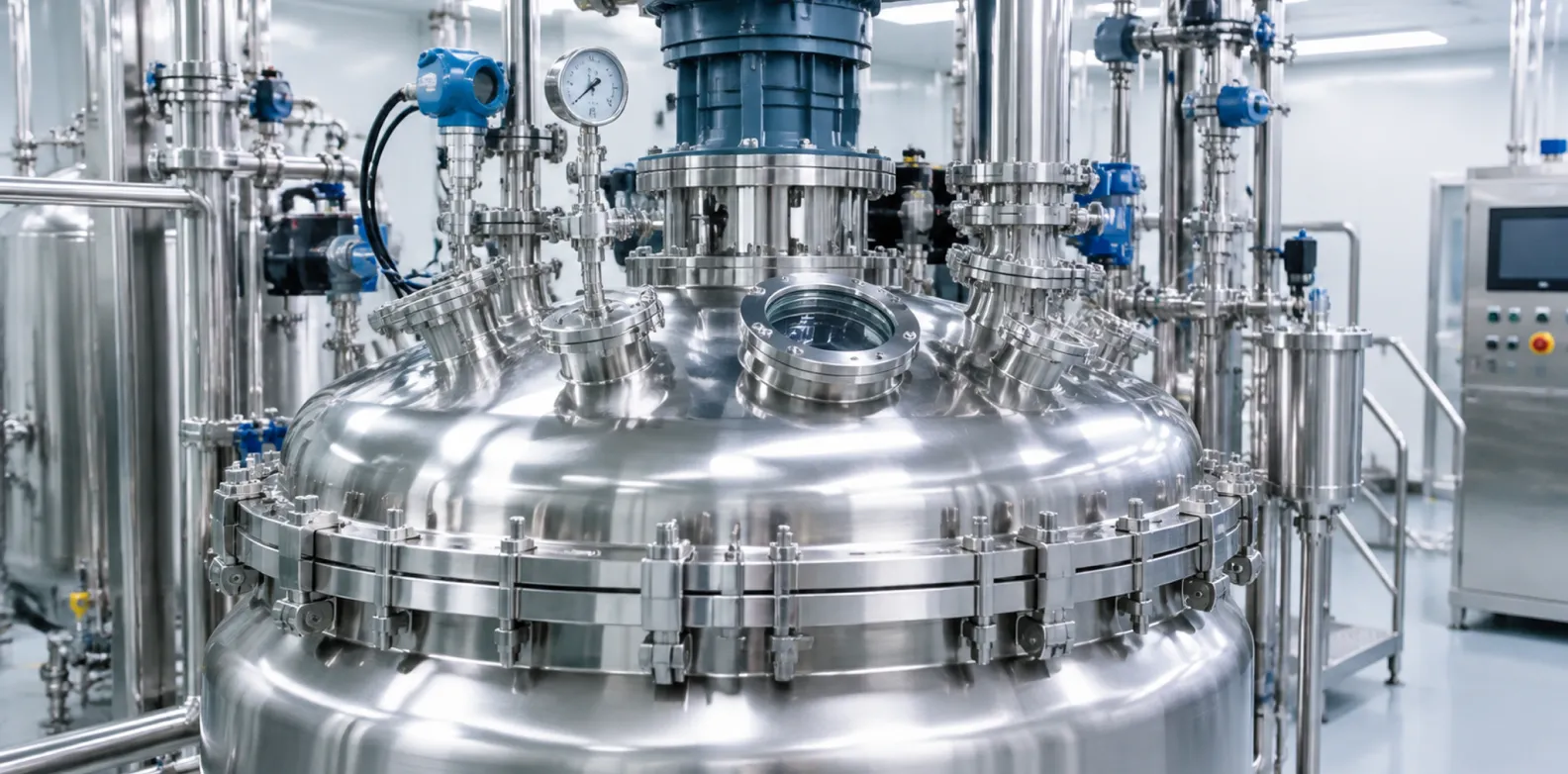
2. Exothermicity and Cleavage Vessel Heat Transfer
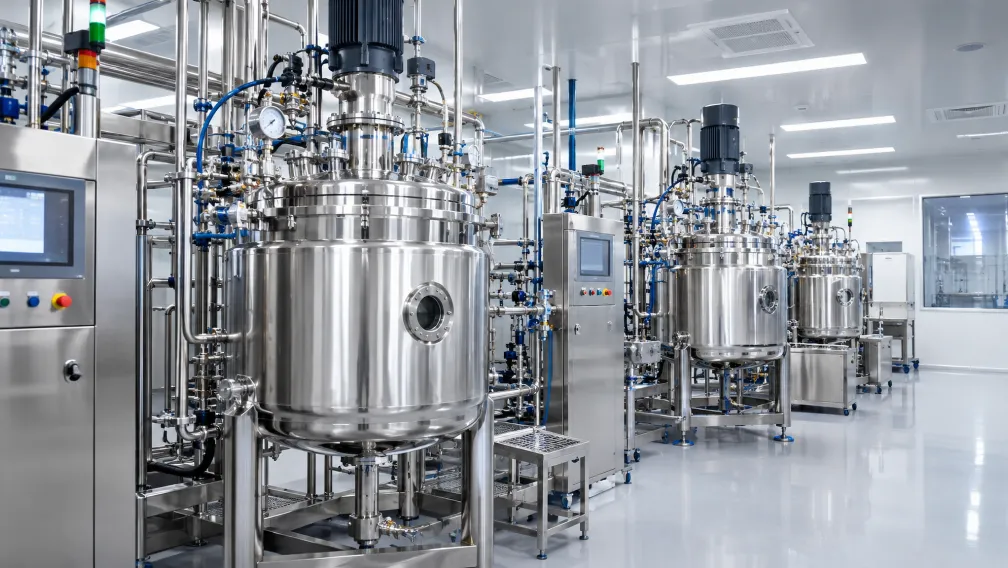
Global acidolytic cleavage utilizing concentrated TFA represents an intensely exothermic process, particularly when detaching long-chain peptides from Wang or 2-chlorotrityl chloride resins and clearing robust protecting groups (e.g., Pbf, Trt, tBu). In a laboratory flask containing 5 grams of resin, heat dissipates into ambient air rapidly. In a 500-liter jacketed stainless steel or glass-lined reactor containing 50 kilograms of peptide-resin slurry, rapid TFA addition causes immediate localized overheating if cooling capacities are miscalculated. Uncontrolled temperature spikes accelerate alkylation side reactions, tryptophan degradation, methionine oxidation, and unwanted epimerization. CDMOs must design controlled, metered dosing profiles supported by process chillers capable of maintaining sub-zero internal reaction temperatures throughout scavenger and acid charging cycles.
Downstream Purification and Preparative Chromatography
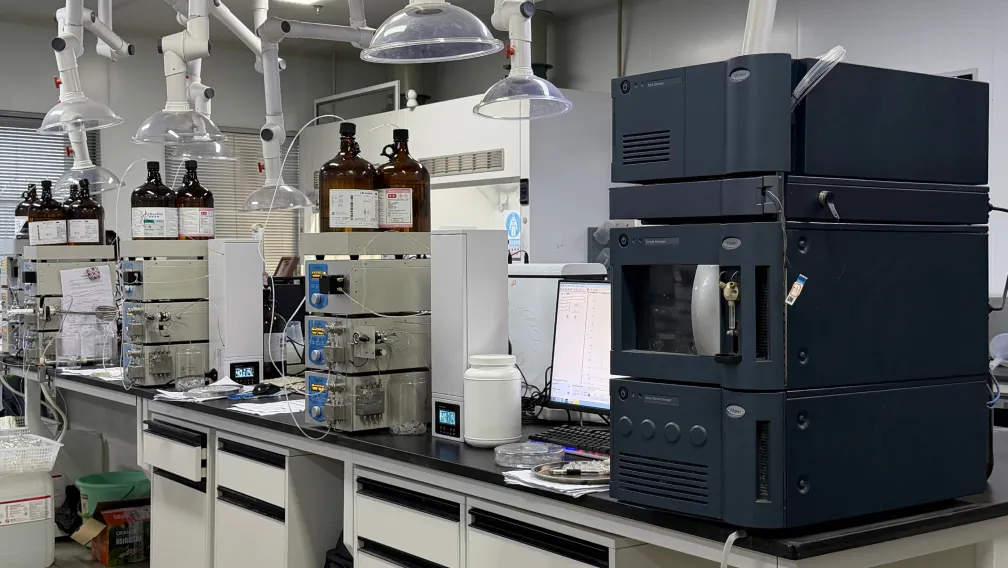
Downstream processing (DSP) accounts for up to 60-70% of total API production costs in large-scale peptide synthesis. Laboratory purification depends primarily on analytical or semi-preparative reversed-phase HPLC using steep gradients and high solvent-to-peptide ratios. Industrial technology transfer requires a complete redesign of chromatographic operations to optimize column loading capacity, yield, and throughput.
| Process Parameter | Pre-clinical / Bench Scale | Commercial GMP Scale | Engineering Mitigation Strategy |
|---|---|---|---|
| Stationary Phase Column ID | 4.6 mm – 21.2 mm | 200 mm – 600 mm (Dynamic Axial Compression) | Uniform slurry packing systems to eliminate wall effects and channeling |
| Mobile Phase Modifiers | High concentration TFA (0.1%) | Ion exchange / Acetic acid / Ammonium acetate buffer systems | Counterion exchange steps (TFA to Acetate/Chloride) integrated upstream |
| Mass Loading | < 1% (weight API / weight stationary phase) | 3% – 8% overload conditions | Displacement chromatography or orthogonal two-step gradient profiling |
| Product Isolation | Rotary evaporation + Small freeze-dryers | Industrial lyophilization trays (100–500 L condenser capacity) | Controlled freezing profiles, controlled shelf temperatures, automated CIP/SIP |
To scale chromatography reliably, CDMOs deploy Dynamic Axial Compression (DAC) columns. DAC systems apply constant hydraulic piston pressure to the stationary phase bed, maintaining high column efficiency and eliminating bed settling over hundreds of continuous run cycles. Furthermore, while TFA serves as an exceptional ion-pairing agent in research settings, therapeutic APIs require counterion exchange to acetate or chloride salts to prevent toxicity and formulation stability issues in the finished drug product.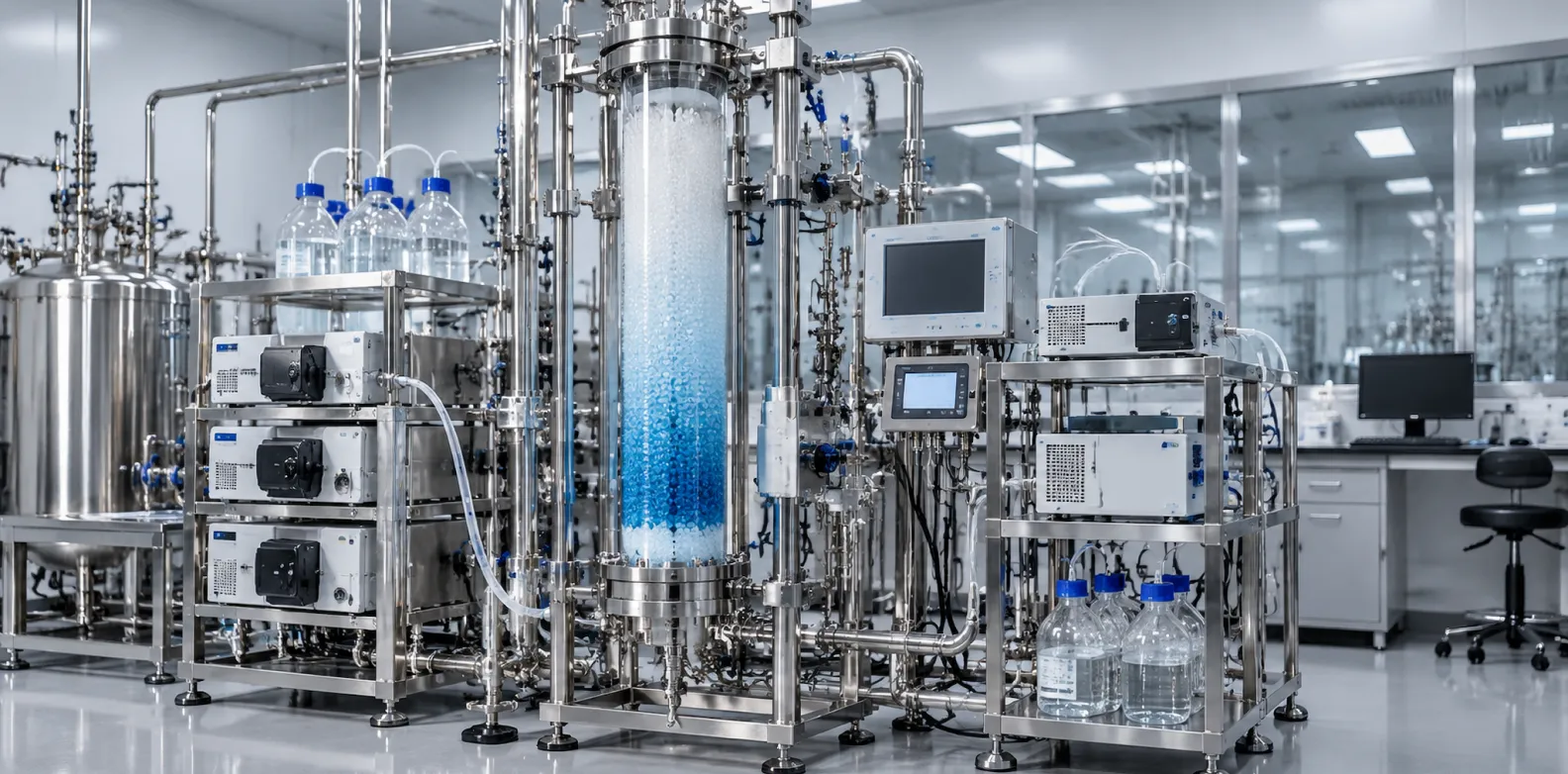
Analytical Method Transfer and Critical Quality Attributes (CQAs)
Analytical method transfer constitutes the regulatory backbone of any clinical manufacturing program. The analytical methods developed to release non-GMP material are rarely qualified or validated to support commercial batch release. Prior to executing cGMP campaign runs, CDMO analytical laboratories must formalize the molecule's Critical Quality Attributes (CQAs) under ICH Q8 (Pharmaceutical Development) and ICH Q6A frameworks.
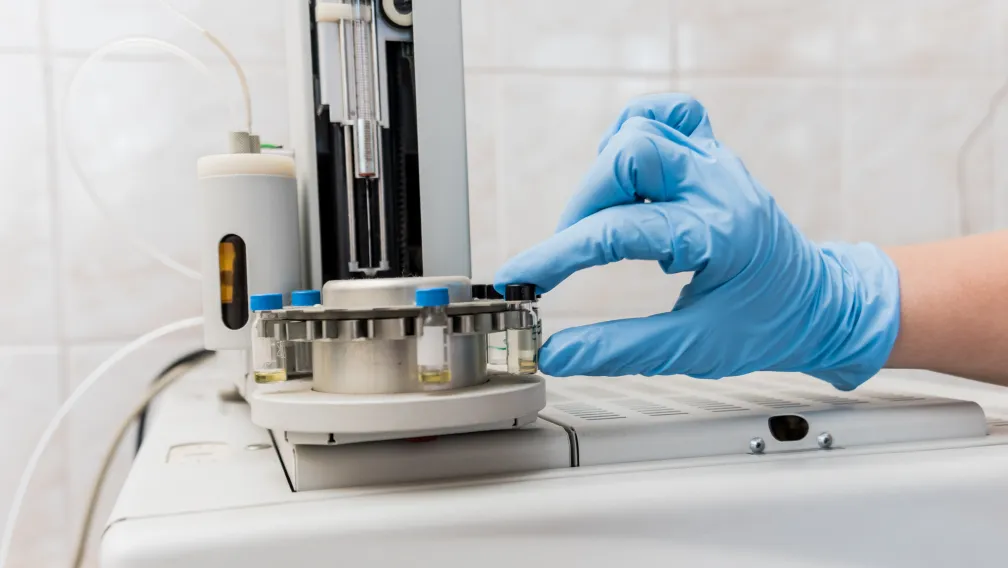
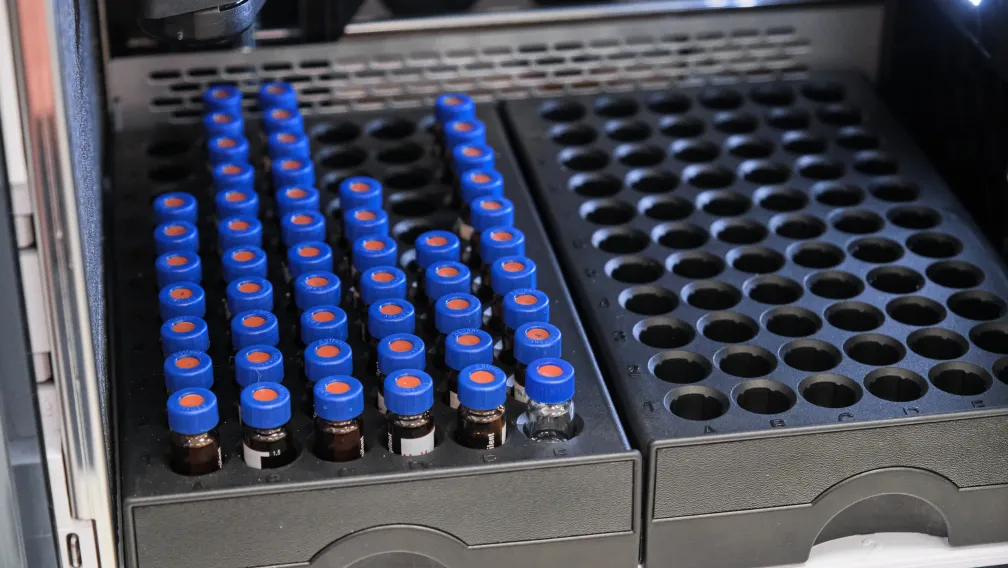
Primary CQAs for therapeutic peptides include sequence fidelity, optical purity (chiral purity), related substance profiles (specifically deletion and insertion sequences), residual solvents, host cell proteins (for recombinant processes), bioburden, and bacterial endotoxin levels. Impurity profiles that appear negligible in crude laboratory samples must be characterized rigorously. When transitioning into commercial production, analytical methods must distinguish target peptides from closely related degradants, such as D-amino acid epimers, beta-aspartyl isomers, and deamidated variants. This requires qualified reference standards and fully validated stability-indicating RP-HPLC and UHPLC-MS methods, as outlined in our analysis of identifying missing and mismatched peptides.
Process Validation and the Three-Stage Lifecycle
Global regulatory bodies, including the US FDA and EMA, mandate that commercial process validation follow a structured, three-stage lifecycle approach rather than a historical three-batch testing routine:
- Stage 1: Process Design: Defining the commercial manufacturing process based on knowledge gained through development and scale-up activities. Here, Quality by Design (QbD) principles and Design of Experiments (DoE) establish the Critical Process Parameters (CPPs)—such as coupling temperatures, reagent equivalents, wash cycle volumes, and cleavage hold times—that directly impact the CQAs of the peptide.
- Stage 2: Process Qualification: Confirming that the manufacturing facility, equipment trains, utilities, and operators consistently produce API meeting predetermined quality targets. This phase culminates in Process Performance Qualification (PPQ) runs executed under strict cGMP controls.
- Stage 3: Continued Process Verification: Ongoing monitoring of commercial production runs via statistical process control (SPC) charting to ensure the process remains in a state of statistical control throughout its commercial lifecycle.
For biopharmaceutical developers transitioning novel therapeutic candidates into registration batches, comprehensive technical alignment is non-negotiable. Detailed documentation—including Technology Transfer Protocols, Process Failure Mode and Effects Analysis (pFMEA), Master Batch Records (MBRs), and Process Validation Reports—must demonstrate complete control over the chemical synthesis landscape. Teams planning commercial timelines should consult our broader operational guide on peptide drug development and GMP manufacturing to map out cross-functional regulatory requirements.
Mitigating Supply Chain and Operational Risks
A successful tech transfer must also address supply chain sustainability. Moving from gram quantities to multi-kilogram campaigns exposes vulnerability in the procurement of raw materials. Commercial programs require hundreds of kilograms of Fmoc-protected amino acids, coupling additives, cleavage scavengers, and specialty building blocks. Variations in raw material purity—such as trace enantiomeric impurities in starting amino acids or variable water content in solvents like dimethylformamide (DMF)—propagate directly through iterative coupling cycles, resulting in cumulative process failures.
To de-risk commercial execution, pharmaceutical sponsors must verify that their CDMO maintains qualified multi-vendor sourcing strategies, robust in-house incoming material release testing, and established solvent recovery or recycling systems to control production economics and meet ESG requirements. By addressing engineering kinetics, analytical rigor, and raw material supply simultaneously during early process development, developers ensure a seamless technology transfer that accelerates market approval while protecting the commercial longevity of the therapeutic asset.
-

Synpeptide
peptide-focused CRO/CDMO company
The SynPeptide Research Team brings together scientists specializing in peptide synthesis, purification, and analytical characterization. Drawing on hands-on laboratory experience across custom and catalog peptides, the team shares evidence-based insights for researchers, formulators, and product developers. All content is reviewed against current scientific literature and internal quality-control data, reflecting SynPeptide's commitment to accuracy, reproducibility, and the responsible communication of peptide science.