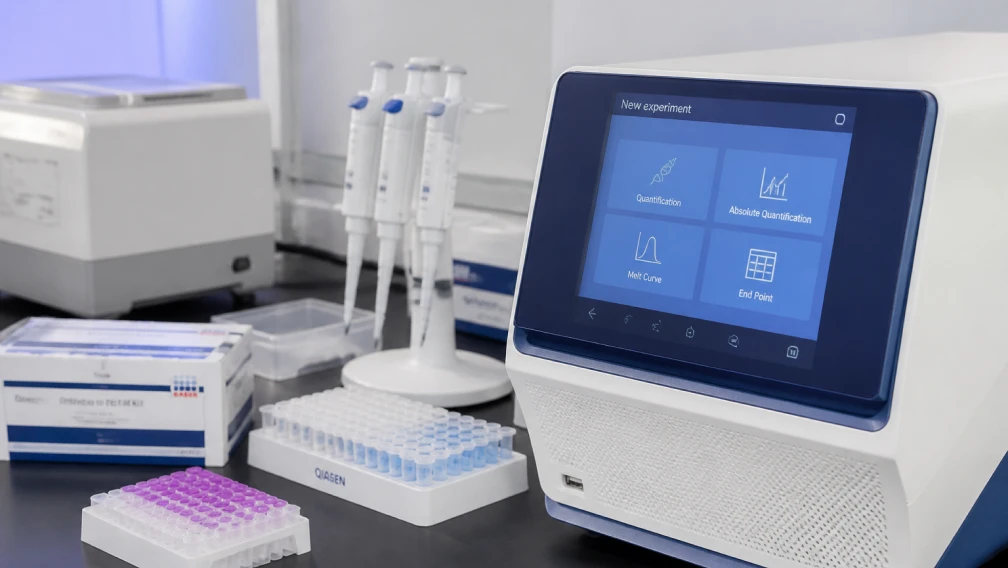
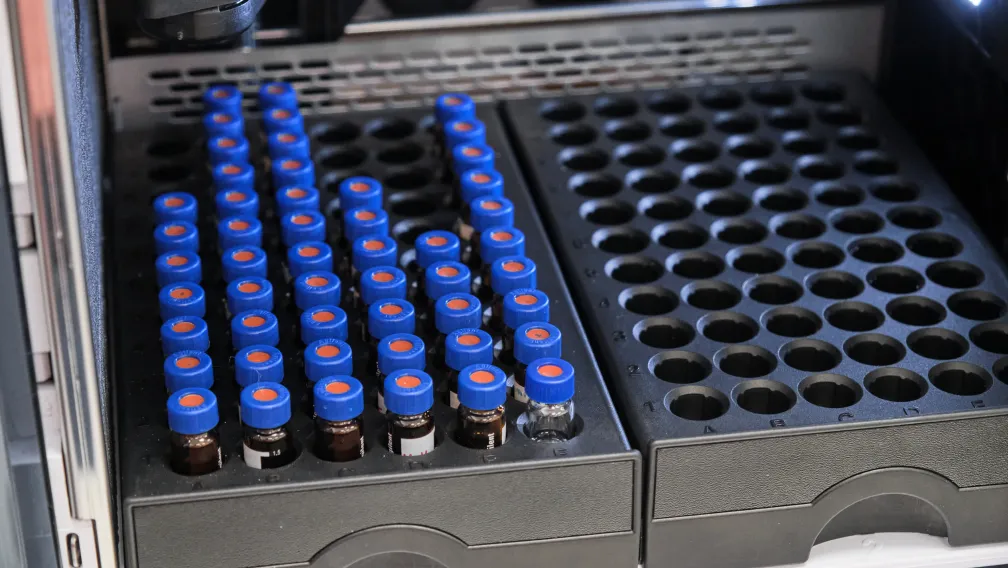
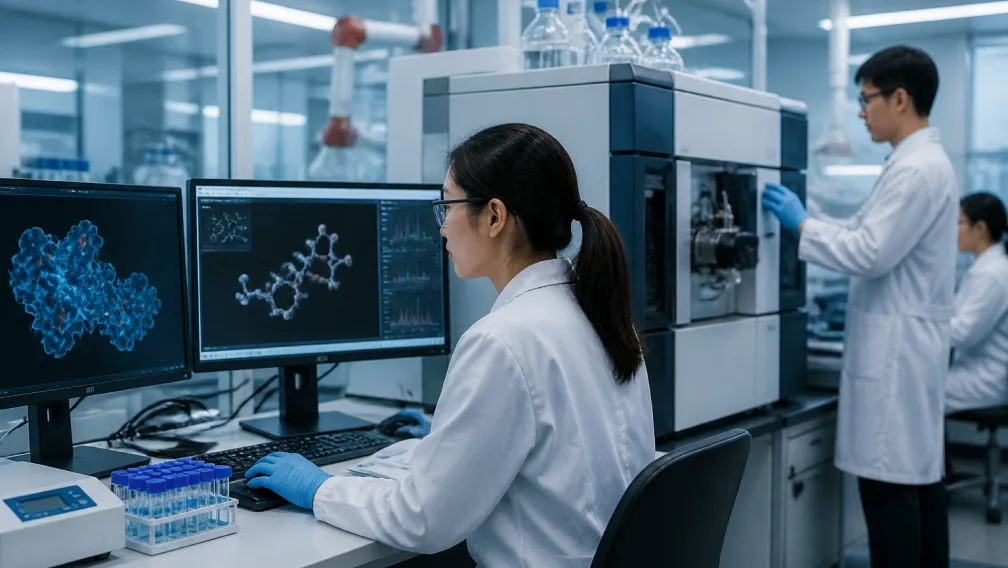
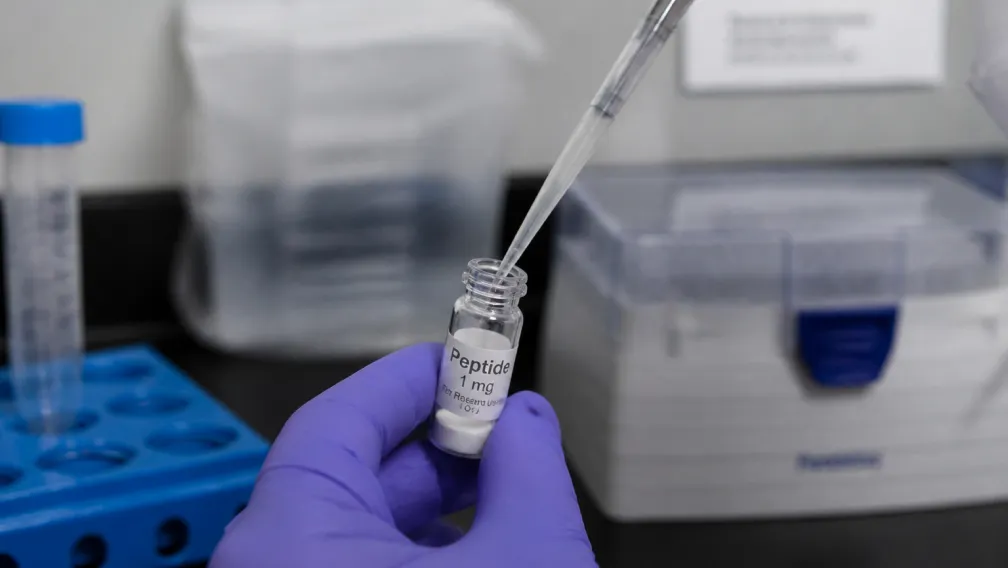
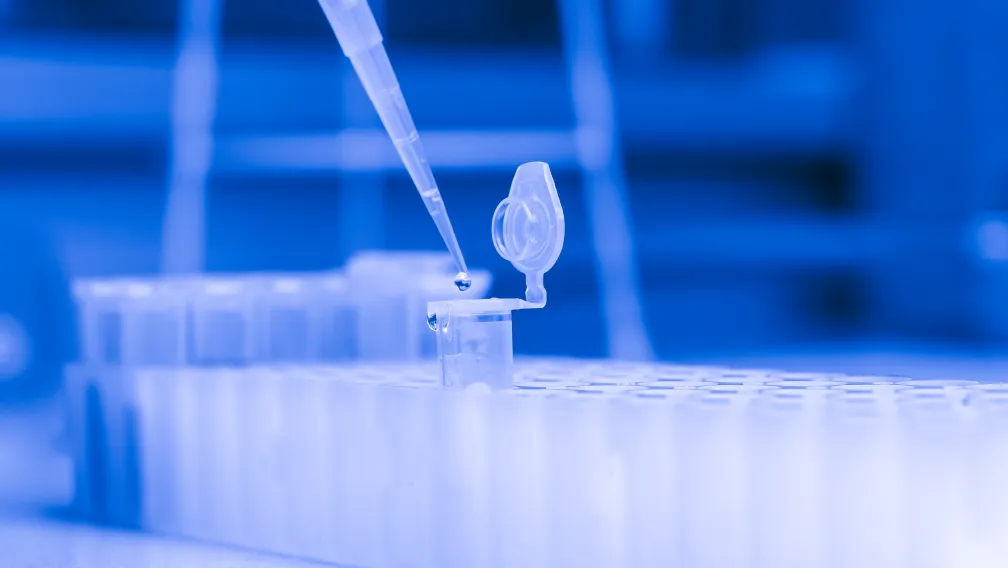
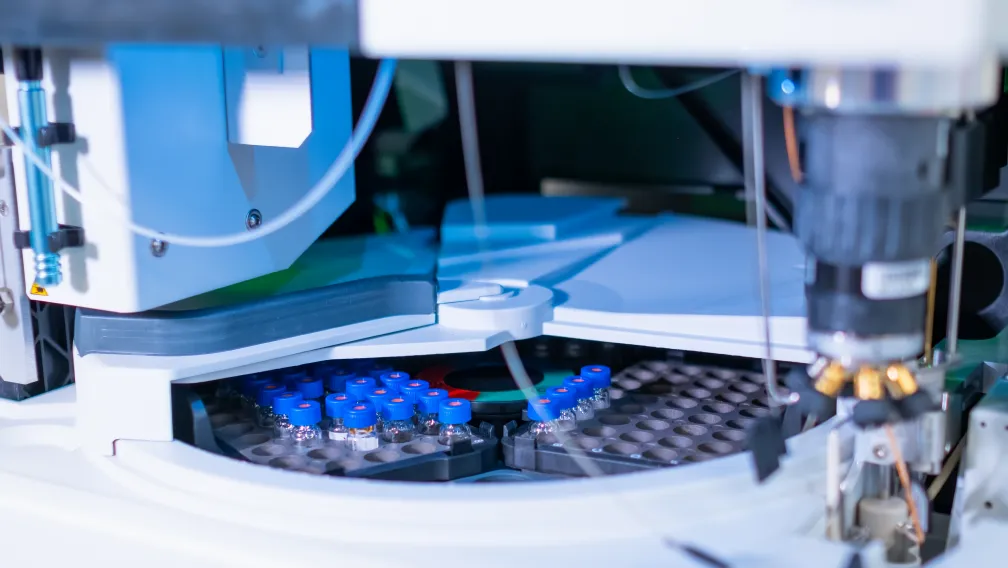
A peptide is a chain of amino acids joined by peptide bonds, and making one means building that chain in a precise order. Most peptides are made by solid-phase peptide synthesis, where protected amino acids are added one at a time to a growing chain anchored on a resin, and the finished chain is then cut off and purified. This guide explains how peptide synthesis works, the main methods and where each is used, and how a supplier decides which route fits a given sequence.
The basic idea: one amino acid at a time
Chemical peptide synthesis runs from the C-terminus to the N-terminus, adding a single amino acid in each cycle. Every amino acid carries protecting groups so that only the intended bond forms. A coupling reagent activates the carboxyl group of the incoming amino acid so it joins the free amine of the chain, then that new amine is deprotected so the next residue can attach. Repeating this cycle builds the sequence. Get the order, the protection, and the coupling right, and you get the target peptide; let a coupling run short, and you get deletion sequences instead.
Solid-phase peptide synthesis (SPPS)
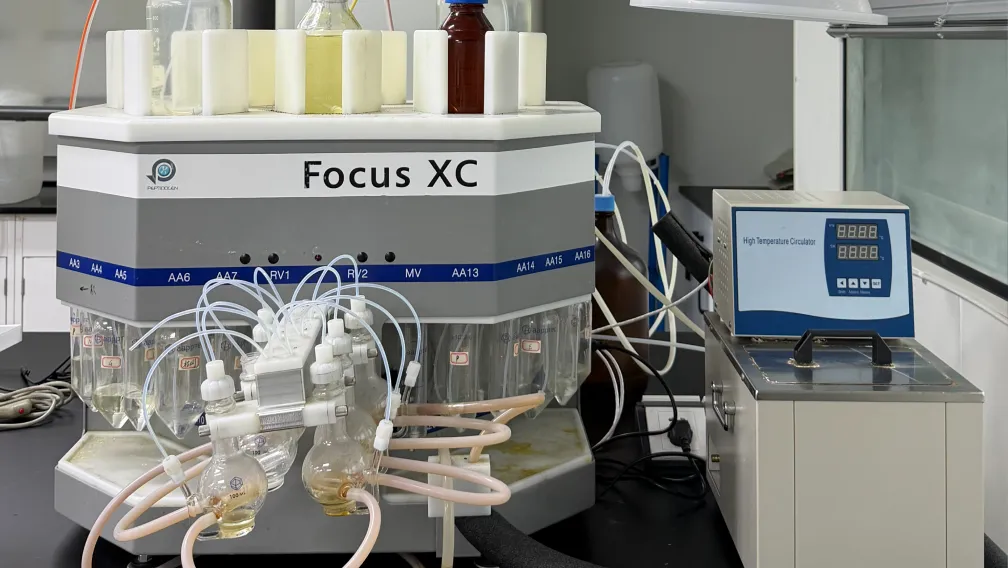
SPPS is the method behind most peptides made today. The chain is anchored by its C-terminus to an insoluble resin, and reagents are added to the suspension around it. Because the chain is stuck to the resin, excess reagents and byproducts are simply washed away between steps, which lets chemists drive each coupling to completion with a large excess of reagent and skip the intermediate purifications that slow solution chemistry. A single cycle looks like this:
- Remove the protecting group from the N-terminal amine of the chain on the resin.
- Wash away the deprotection reagents.
- Couple the next protected amino acid, activated by a coupling reagent.
- Wash away the excess reagent and byproducts.
- Cap any unreacted chains so they do not become deletion sequences.
- Repeat until the sequence is complete, then cleave the peptide from the resin and remove the side-chain protection.
Two protection strategies exist. The original Boc approach uses acid to remove the temporary group and strong acid such as HF for the final cleavage. The newer Fmoc strategy has largely replaced it: the Fmoc group comes off under mild base, usually piperidine in DMF, and the side chains and resin link are cleaved with trifluoroacetic acid. Fmoc chemistry is milder, cleaner, and easy to automate, which is why it dominates research and much of drug-peptide manufacturing. Boc still has a place for some aggregation-prone or sensitive sequences.
Difficult sequences
Not every sequence assembles smoothly. Long peptides and stretches of hydrophobic residues tend to fold or clump on the resin, which hides the reacting end and stalls the coupling. Chemists have a toolkit for this: pseudoproline dipeptides that break up problem regions, double or extended couplings, microwave-assisted heating that speeds each step and improves yield, and backbone protection. Spotting these trouble spots before synthesis is a large part of what an experienced peptide chemist brings, because it is far cheaper to design around a hard sequence than to re-synthesise it.
Liquid-phase peptide synthesis (LPPS)
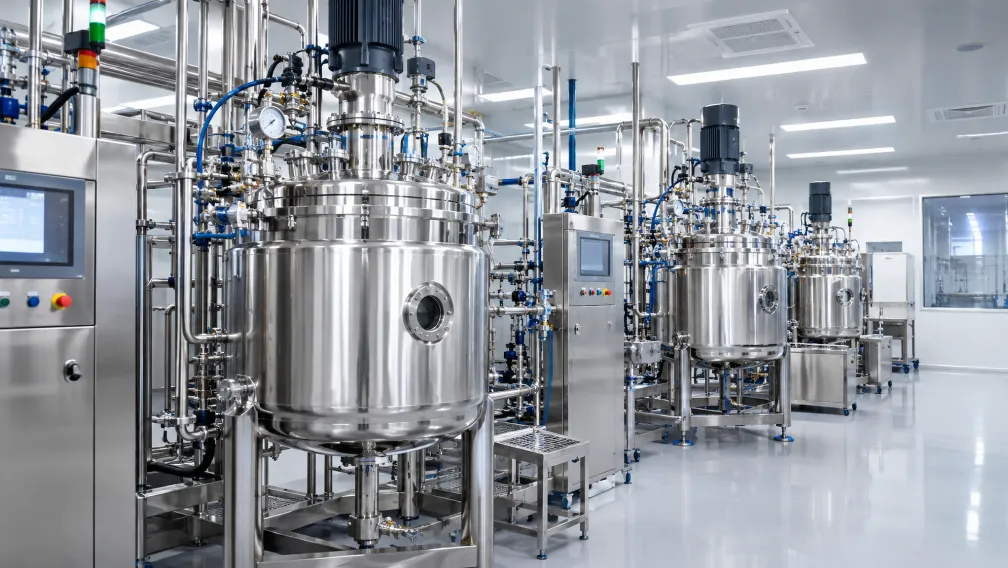
LPPS builds the peptide in solution, with no resin. It needs more planning, since there is no single protocol that works for every sequence and the protecting groups, reagents, and solvents have to be chosen case by case. In return it uses less reagent and is easier to optimise at large volume, which makes it cost-effective for short peptides and for kilogram-scale and commercial production. Newer solution methods that tag the growing chain to simplify handling are narrowing the gap between lab and plant scale.
Hybrid and fragment condensation
For long or complex peptides, the two approaches are combined. Protected fragments are built by SPPS, cleaved and purified, then joined in solution by fragment condensation to assemble the full sequence. This convergent route avoids the falling yields that come with very long linear SPPS and is a common way to reach large, difficult targets at scale.
Recombinant expression
Chemistry is not the only option. Very long peptides and small proteins, especially natural sequences needed in large amounts, are often made by growing them in engineered cells such as E. coli. This is more work to set up but can be cheaper for long sequences at volume. In practice, the boundary between chemical and biological production sits somewhere around one hundred residues, and the choice depends on the sequence, the modifications, and the quantity.
Purification and quality control
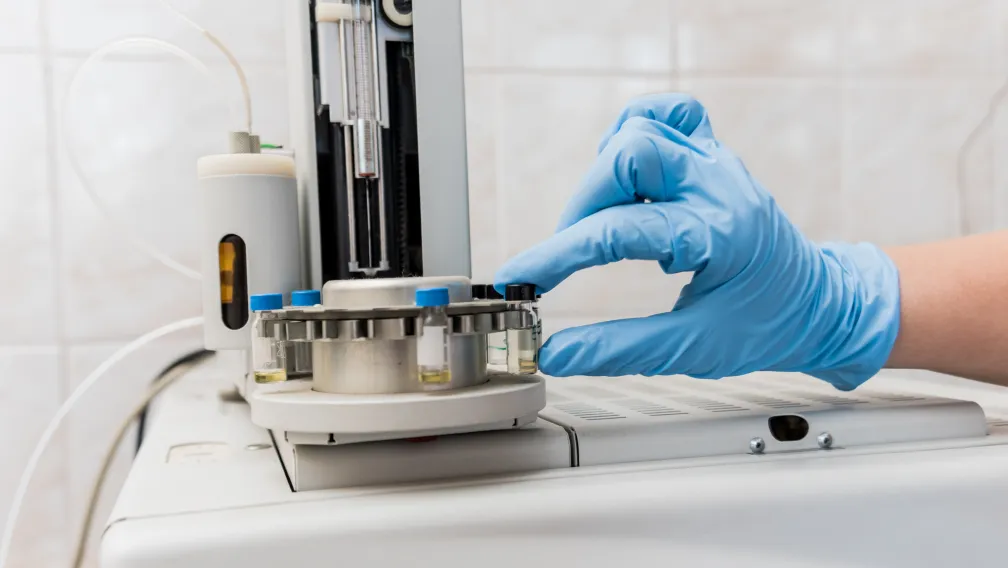
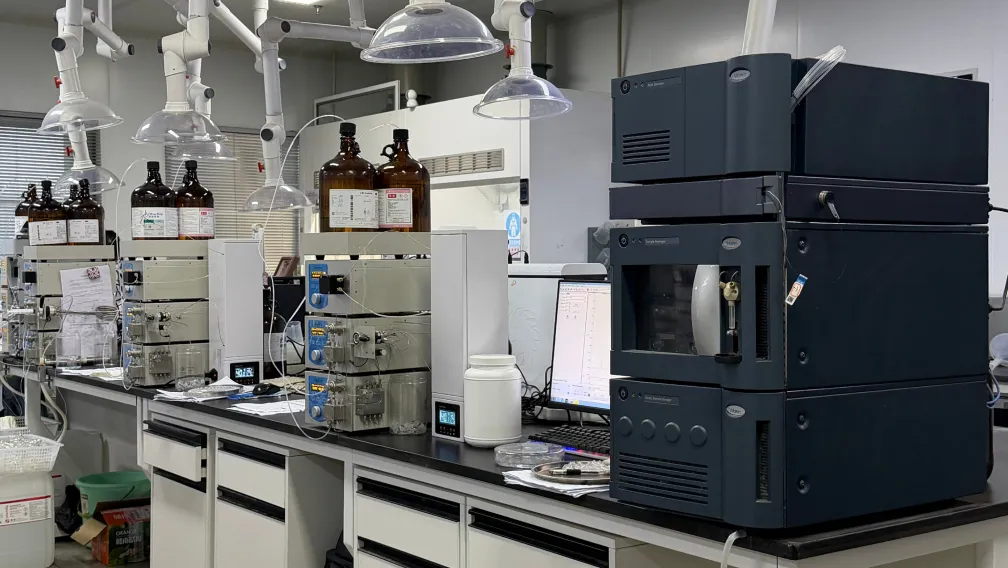
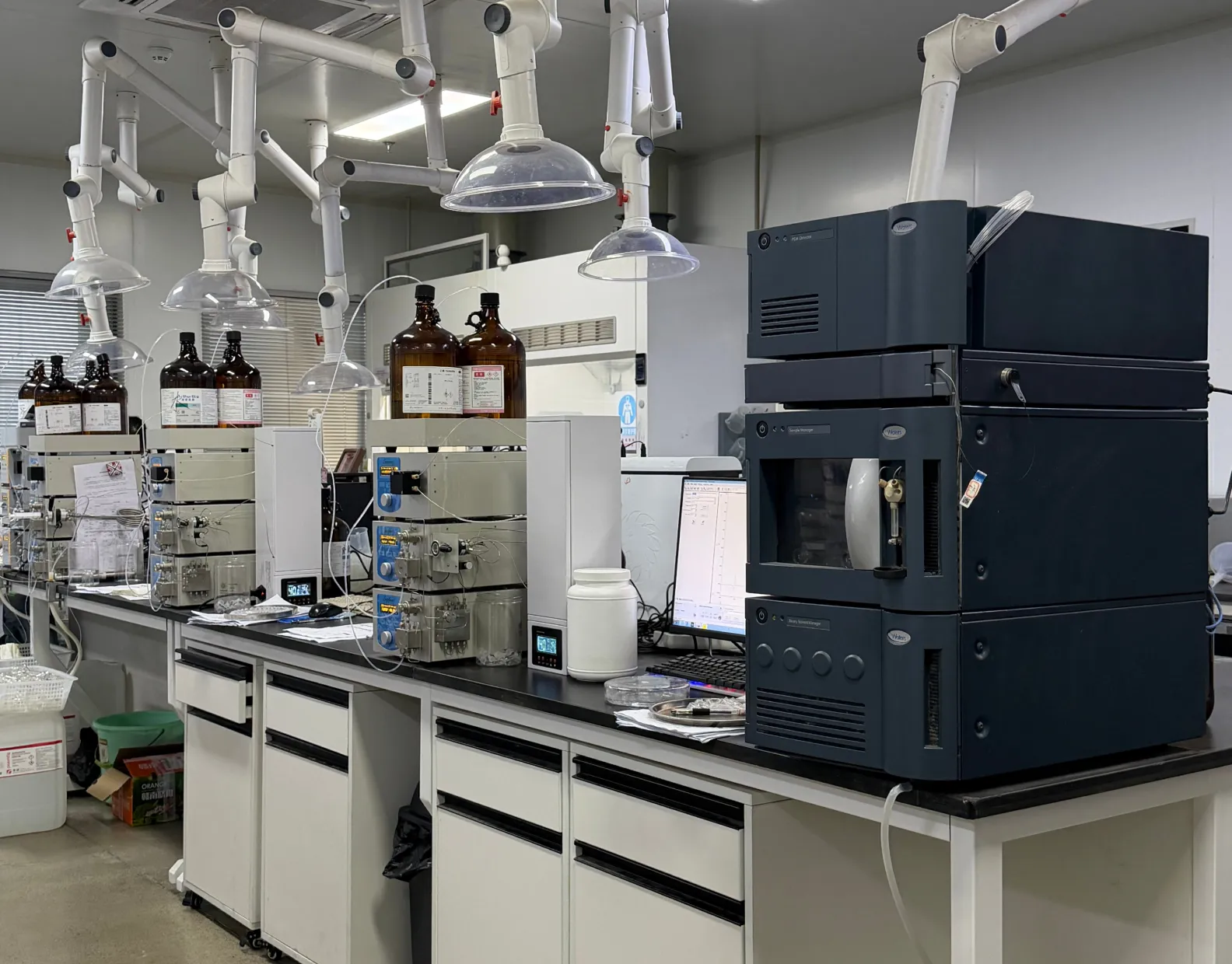
Synthesis is only half the job. After the peptide is cleaved from the resin, it is purified, usually by preparative reversed-phase HPLC, to remove deletion sequences and other related substances used as reference standards. The purified peptide is then checked by analytical HPLC for purity and by mass spectrometry for identity, freeze-dried, and released with a certificate of analysis. For work that touches cells or animals, the trifluoroacetic acid left from synthesis is usually exchanged for an acetate or hydrochloride salt.
Which method fits which peptide
The route is chosen from the sequence, the scale, and the modifications, not from habit.
| Method | How it works | Best for |
| Solid-phase (SPPS) | The chain is built on a resin, one residue at a time, then cleaved off | Most research peptides and many drug peptides; fast and automated |
| Liquid-phase (LPPS) | The chain is built in solution, with no resin | Short peptides and large-scale or commercial production |
| Hybrid / fragment condensation | Fragments are made by SPPS, then joined together in solution | Long or complex peptides made at scale |
| Recombinant expression | The peptide is grown in engineered cells such as E. coli | Very long peptides in large quantity |
Which peptide synthesis method is right for a project?
For most research peptides and many drug peptides up to moderate length, solid-phase synthesis with Fmoc chemistry is the default, because it is fast, automated, and reliable. Short peptides and large commercial batches often move to liquid-phase or hybrid routes for cost. Long and complex sequences are built by fragment condensation, and very long natural sequences at volume may be made recombinantly. The practical answer is to give a peptide supplier the sequence, the purity, the quantity, and any modifications, and let them match the method — and to weigh what drives the final price before committing to a route.
How SynPeptide makes peptides
SynPeptide (Nanjing SynPeptide Biological Technology) has made peptides since 2013 and runs the main routes in house. Synthesis covers a 2 to 200 amino-acid range using solid-phase, microwave-assisted, and fragment-condensation methods, so both short actives and long, difficult sequences are in scope. Custom sequences run through custom peptide synthesis, structural changes through peptide modification, and bulk orders through large-scale peptide synthesis, with stock sequences available as catalog peptides. Every batch is characterised by HPLC and mass spectrometry and released with a certificate of analysis.
Talk to our peptide team
Have a sequence you need made? Send us the sequence, the purity, the quantity, and any modifications, and we will confirm the method, the timeline, and the price. Reach the team at peptide@synpeptide.com.
FAQ
How are peptides made?
Most peptides are made by chemical synthesis, adding one protected amino acid at a time to a growing chain, most often on a solid resin support. The chain is then cleaved from the resin, purified by HPLC, and checked by mass spectrometry. Very long peptides can instead be produced biologically in engineered cells.
What is solid-phase peptide synthesis?
Solid-phase peptide synthesis, or SPPS, builds a peptide on an insoluble resin. The C-terminus is anchored to the resin, and amino acids are added one by one through repeated coupling and deprotection steps, with excess reagents washed away each cycle. It is the most common way to make peptides because it is fast and easy to automate.
What is the difference between Fmoc and Boc chemistry?
Both are protecting-group strategies for SPPS. Fmoc uses a mild base, usually piperidine, to remove the temporary group and TFA for the final cleavage, and it is the standard modern method. Boc uses acid for deprotection and strong acid such as HF for cleavage; it is older and harsher but still useful for some difficult sequences.
What is the difference between SPPS and LPPS?
SPPS builds the peptide on a solid resin, which makes it fast and easy to automate and ideal for research and moderate scale. LPPS builds the peptide in solution with no resin, which needs more planning but uses less reagent and is cost-effective for short peptides and large-scale production. Long peptides are often made by a hybrid of the two.
How long can a synthetic peptide be?
Routine solid-phase synthesis handles peptides up to roughly fifty residues well, and experienced labs reach further, into the range of one to two hundred residues, using hybrid and fragment-condensation methods. Beyond about one hundred residues, biological expression is often the more economical choice for large quantities.
How are peptides purified after synthesis?
The crude peptide is purified by preparative reversed-phase HPLC, which separates the target from deletion sequences and other impurities. The purified material is confirmed by analytical HPLC and mass spectrometry, freeze-dried, and released with a certificate of analysis, with a salt exchange if the application needs it.
-

Synpeptide
peptide-focused CRO/CDMO company
The SynPeptide Research Team brings together scientists specializing in peptide synthesis, purification, and analytical characterization. Drawing on hands-on laboratory experience across custom and catalog peptides, the team shares evidence-based insights for researchers, formulators, and product developers. All content is reviewed against current scientific literature and internal quality-control data, reflecting SynPeptide's commitment to accuracy, reproducibility, and the responsible communication of peptide science.