Securing Abbreviated New Drug Application (ANDA) approval for a generic peptide therapeutic hinges on demonstrating absolute molecular equivalence to the Reference Listed Drug (RLD). The US Food and Drug Administration (FDA) has historically maintained stringent regulatory barriers for generic peptides due to their complex structural variations and the limitations of traditional analytical characterization. Under the prevailing FDA guidances for synthetic peptide generics—particularly those referencing glucagon, liraglutide, nesiritide, teriparatide, and teduglutide—sponsors must empirically prove "API sameness." This standard demands rigorous, high-resolution impurity profiling. A generic sponsor must not only confirm the active sequence but also prove that the synthetic route does not introduce novel, uncharacterized process-related impurities that could trigger adverse immunogenic responses compared to the recombinant or previously synthesized RLD.
The FDA Mandate on Peptide Sameness and Impurity Limits
The core of the FDA's regulatory framework for complex generic peptides is preventing immunogenicity. Minor structural modifications, particularly aggregation-prone sequences or uncharacterized degradation products, can provoke anti-drug antibody (ADA) responses, leading to loss of efficacy or severe anaphylaxis. To mitigate this, the FDA mandates that the proposed generic peptide API exhibit an impurity profile comparable to the RLD.
The agency’s acceptance criteria are strictly defined: any new specified peptide-related impurity in the proposed generic API must not exceed 0.10% of the drug substance. Furthermore, for impurities present in both the generic and the RLD, the level of each impurity in the generic must not exceed the level found in the RLD. If a novel impurity exceeds the 0.10% threshold, or if a shared impurity significantly exceeds RLD levels, the FDA typically requires comprehensive in vitro and potentially in vivo immunogenicity assessments, nullifying the cost and time advantages of the ANDA pathway.
Deconstructing Peptide Impurity Classes
Meeting the FDA sameness threshold requires pharmaceutical sponsors and their manufacturing partners to comprehensively characterize every minor peak in the chromatogram. Peptide impurities generally fall into two broad categories: product-related impurities and process-related impurities.
Product-Related Impurities (Sequence Variants)
These impurities are structurally related to the target peptide backbone and arise primarily from the chemistry of Solid-Phase Peptide Synthesis (SPPS). They are often isobaric (having the same nominal mass) or co-eluting, making them exceptionally difficult to resolve from the main peak.
- Deletion Sequences: Formed when an amino acid coupling cycle is incomplete, resulting in a peptide missing a specific residue (e.g., des-Gly).
- Insertion Sequences: Produced via double-coupling errors where an amino acid is added twice during a single cycle.
- Diastereomers (Epimers): Caused by the racemization (chiral inversion) of L-amino acids to D-enantiomers during the activation step. Histidine and cysteine residues are particularly susceptible. Since diastereomers possess identical molecular weights to the target API, their identification relies entirely on high-resolution chromatographic separation rather than standard mass spectrometry.
- Chemical Modifications: These include methionine oxidation (sulfoxide formation), deamidation of asparagine or glutamine, and aspartimide cyclization resulting in beta-aspartyl isomers.
Process-Related Impurities
These are chemical residues left over from the manufacturing process that are not structurally related to the peptide chain. This category includes residual organic solvents (DMF, NMP, acetonitrile), coupling reagents, cleavage scavengers (TIPS, EDT), and counterions (TFA). While generally easier to purge during preparative chromatography than sequence variants, process-related impurities are subject to strict limits under ICH Q3C and ICH Q3D guidelines.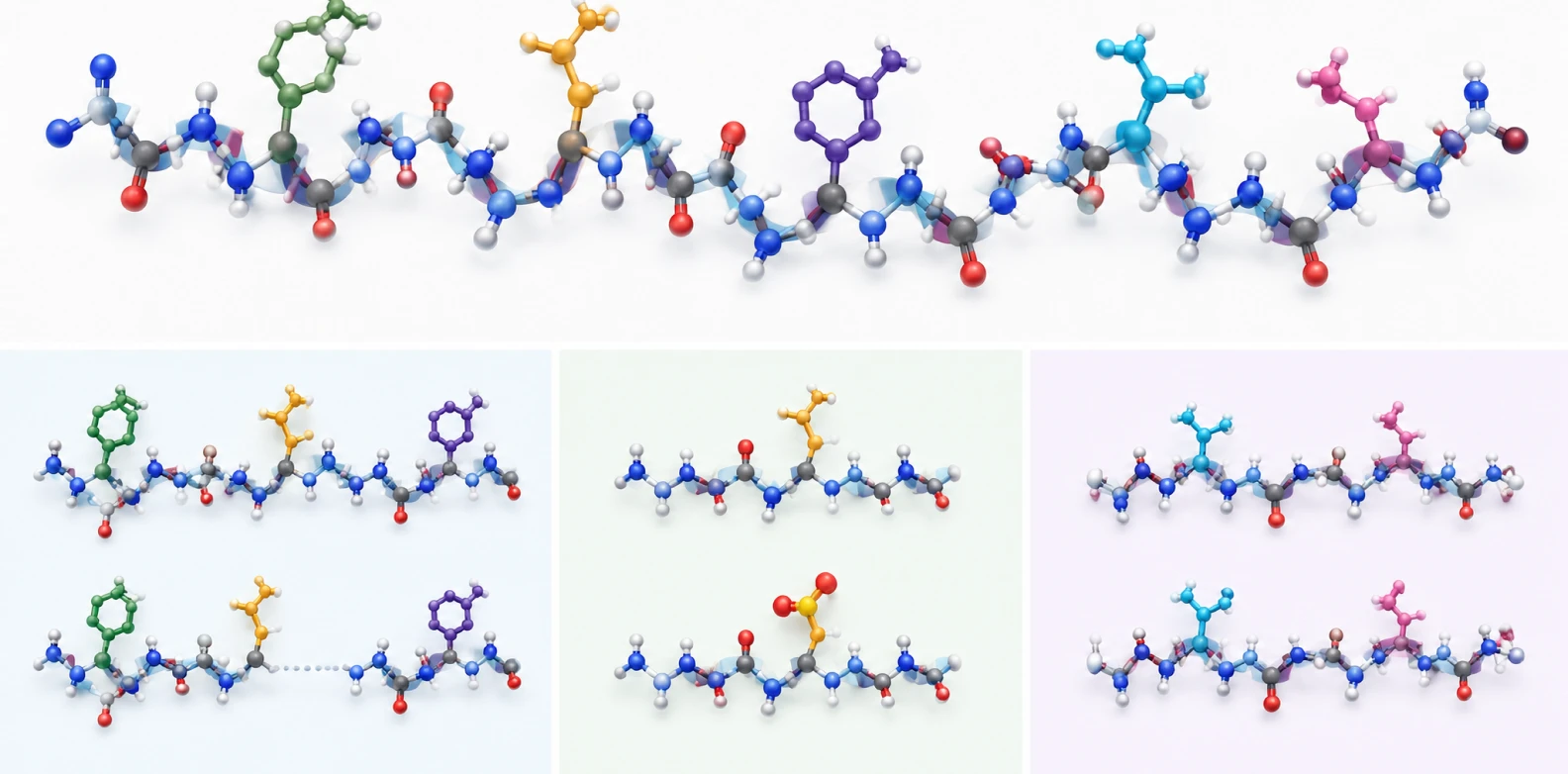
Advanced Analytical Strategies for Impurity Profiling
Establishing API sameness necessitates analytical capabilities that exceed standard quality control methodologies. A single reversed-phase high-performance liquid chromatography (RP-HPLC) run is insufficient to support an ANDA filing for a complex peptide. Regulatory submissions require orthogonal analytical techniques to ensure complete resolution of all potential variants.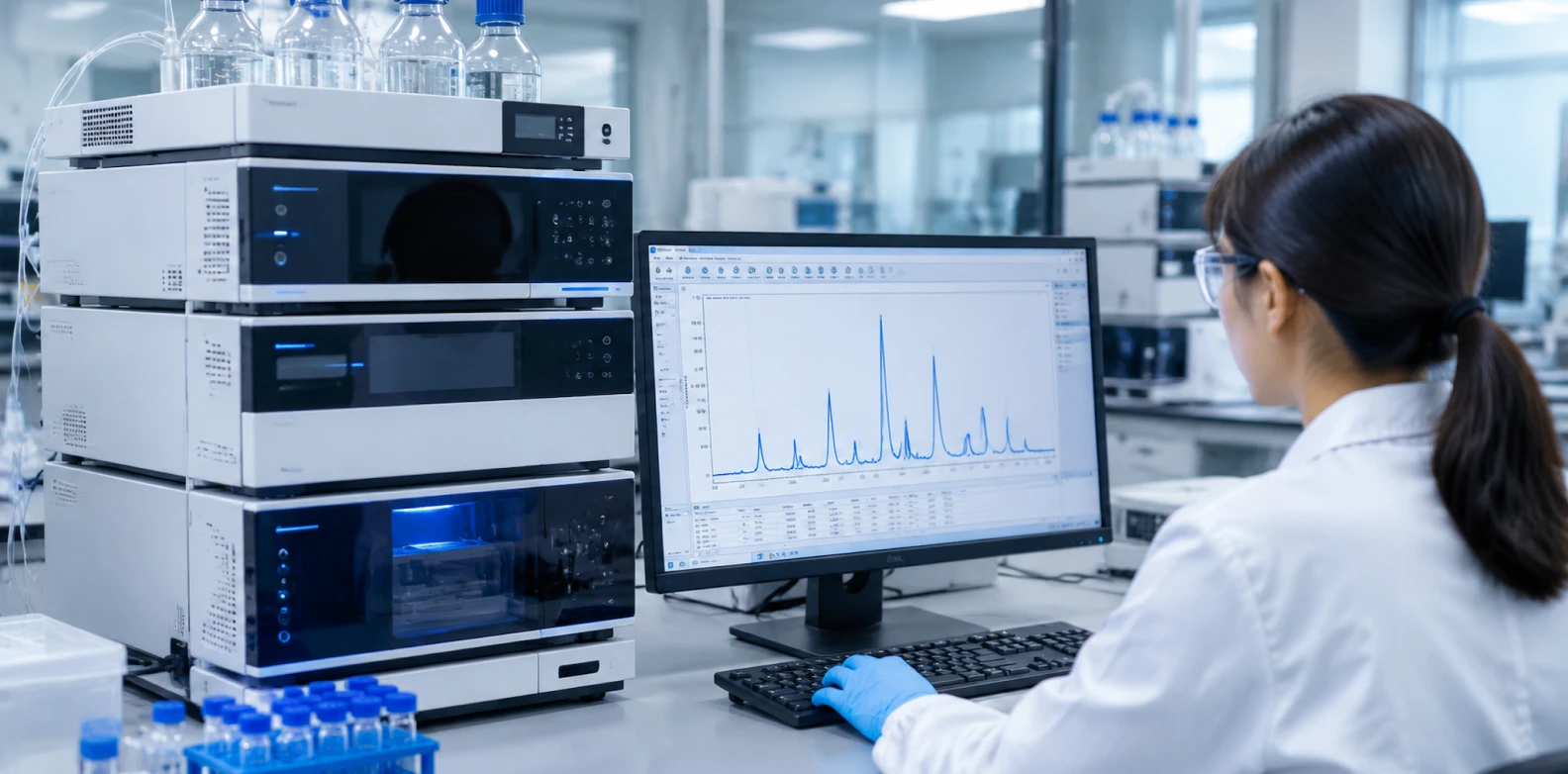
Orthogonal HPLC Methods
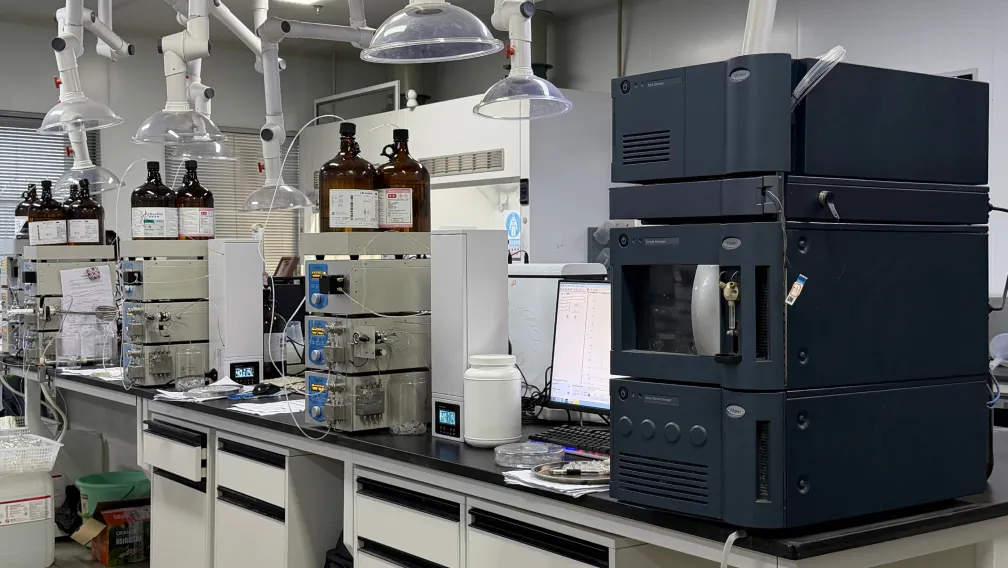
CDMOs and analytical laboratories must develop and validate multiple, orthogonal HPLC methods. This typically involves analyzing the generic API and the RLD using different stationary phase chemistries (e.g., C18 vs. Phenyl-Hexyl), varying mobile phase pH levels, or employing fundamentally different separation mechanisms, such as Ion Exchange Chromatography (IEX) or Size Exclusion Chromatography (SEC) to detect high-molecular-weight aggregates.
High-Resolution Mass Spectrometry (HRMS) and Sequence Mapping
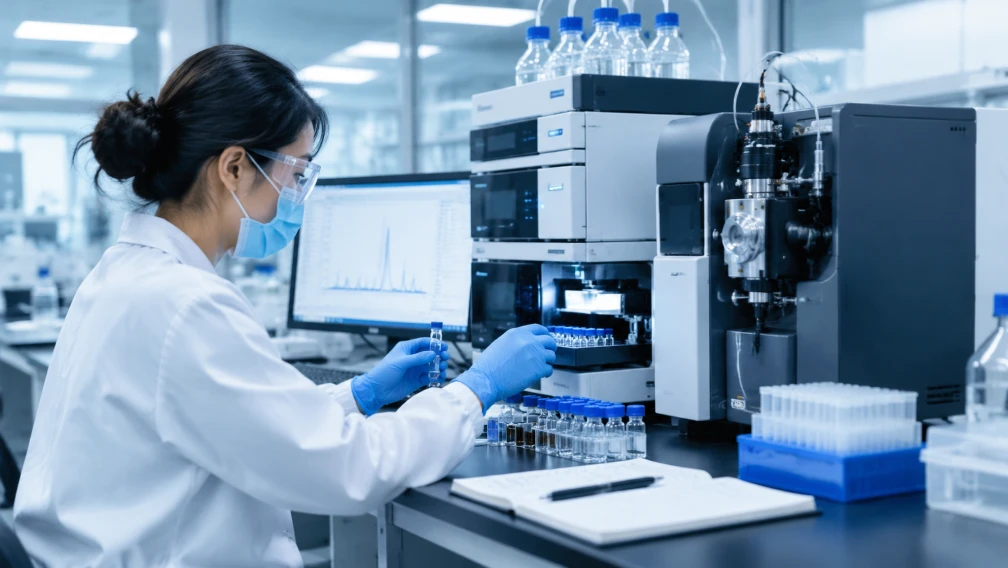
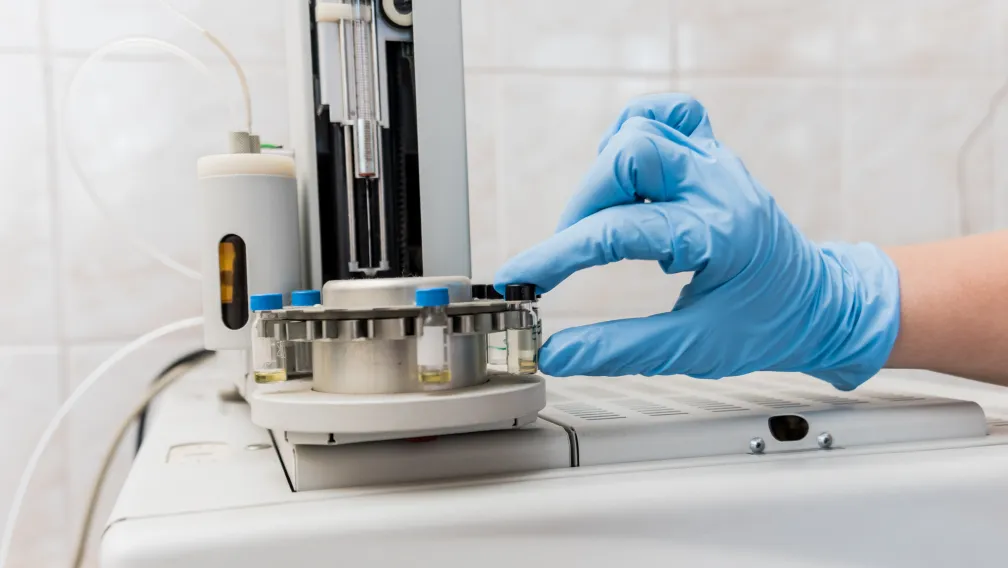
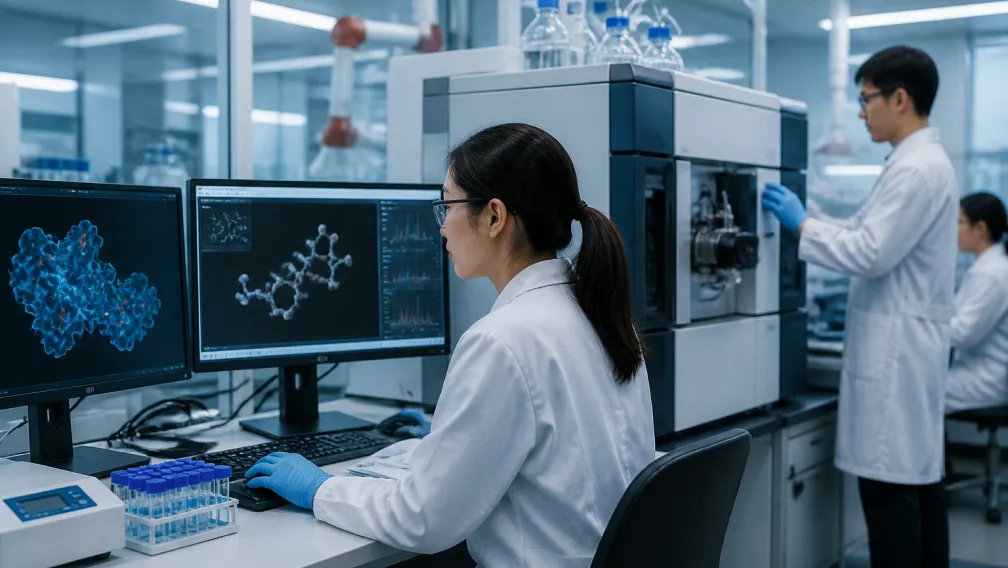
The definitive characterization of unknown impurity peaks relies on Liquid Chromatography coupled with High-Resolution Tandem Mass Spectrometry (LC-HRMS/MS). Instruments such as Orbitrap or Time-of-Flight (TOF) analyzers provide exact mass measurements with sub-ppm mass accuracy. Utilizing Collision-Induced Dissociation (CID) or Electron Transfer Dissociation (ETD), analytical chemists fragment the peptide backbone to generate b-ion and y-ion series. By mapping these fragmentation patterns, researchers can pinpoint the exact location of a missing residue, a substituted amino acid, or a site-specific modification, definitively linking the chromatographic peak to a specific chemical structure.
The Essential Role of Reference Standards
While HRMS provides powerful structural evidence, the FDA requires empirical confirmation for method validation and specification setting. You cannot rely solely on software-predicted fragmentation patterns to justify impurity thresholds. Validating the analytical methods demands the synthesis and utilization of highly purified peptide impurities reference standards.
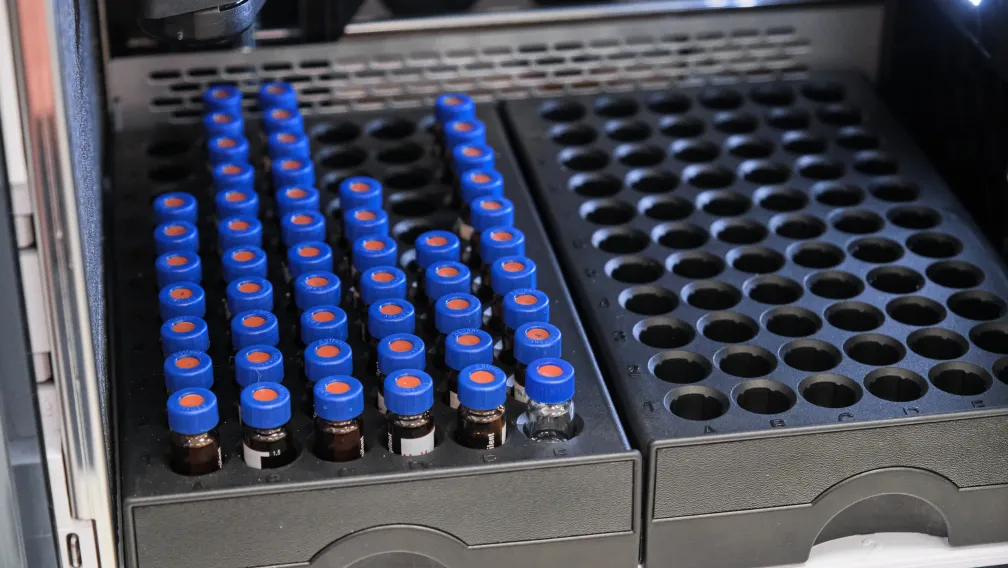
During the analytical development phase, chemists deliberately synthesize the suspected deletion sequences, epimers, or oxidation products identified in the initial LC-MS screens. These authentic reference standards are then spiked into the generic API matrix. The resulting chromatograms prove definitively that the validated HPLC methods achieve baseline separation between the target API and the specific drug peptide impurities. Furthermore, comparing the retention times and exact mass fragmentation spectra of the synthesized standards against the unknown peaks in the RLD provides indisputable proof of chemical sameness.
Manufacturing Control and Supply Chain Strategy
Identifying impurities is only half the regulatory battle; controlling them during commercial scale-up is the ultimate engineering challenge. The impurity profile of a synthetic peptide is intrinsically linked to its manufacturing process parameters. Scaling from a 50-gram clinical batch to a 5-kilogram commercial campaign alters thermodynamic kinetics, resin swelling behavior, and heat dissipation during cleavage, all of which can introduce novel impurities.
Therefore, generic sponsors must partner with a peptide CDMO that possesses profound expertise in both analytical characterization and robust process engineering. The CDMO must implement Quality by Design (QbD) principles to map the critical process parameters (CPPs) that influence impurity generation. For example, controlling the temperature precisely during the cleavage of susceptible sequences or selecting optimized coupling reagents to minimize racemization. By integrating exhaustive impurity profiling early in the development timeline, sponsors can optimize the custom peptide synthesis route to ensure the final commercial product strictly adheres to the FDA's rigorous sameness criteria, accelerating approval pathways and mitigating the risk of costly Complete Response Letters (CRLs).
-

Synpeptide
peptide-focused CRO/CDMO company
The SynPeptide Research Team brings together scientists specializing in peptide synthesis, purification, and analytical characterization. Drawing on hands-on laboratory experience across custom and catalog peptides, the team shares evidence-based insights for researchers, formulators, and product developers. All content is reviewed against current scientific literature and internal quality-control data, reflecting SynPeptide's commitment to accuracy, reproducibility, and the responsible communication of peptide science.