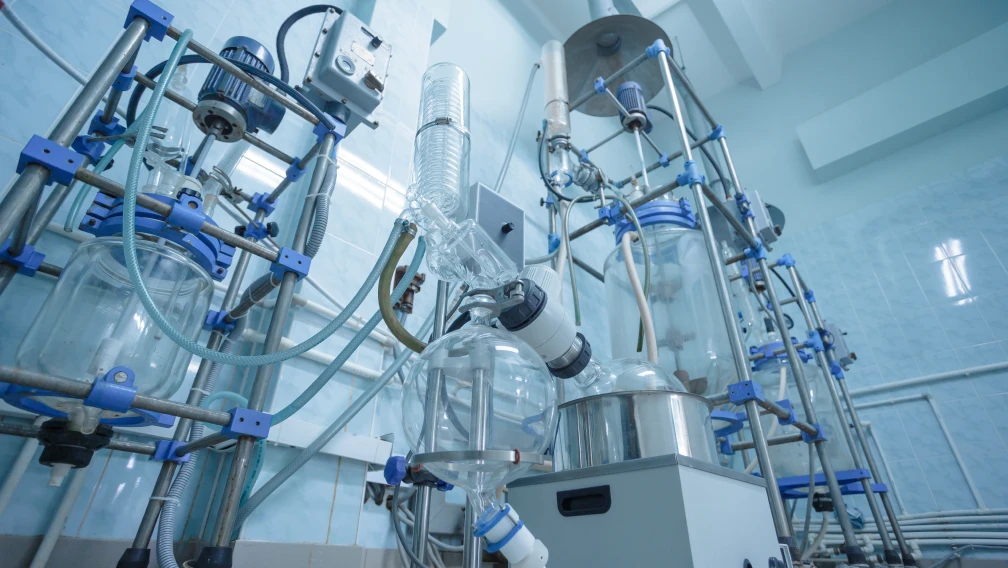
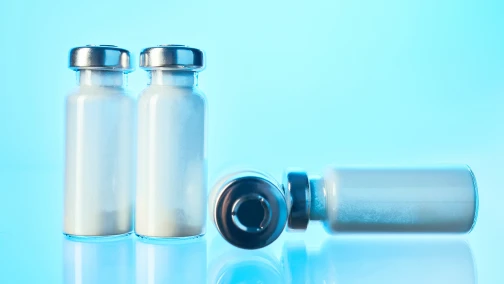
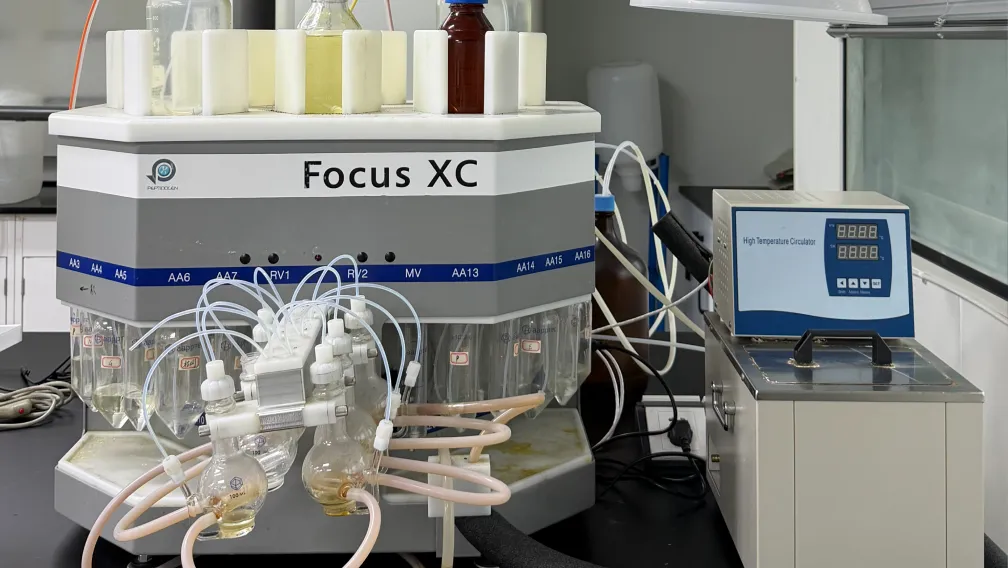
The integrity of synthetic peptides is a foundational requirement for consistent pharmaceutical research, analytical method development, and commercial drug manufacturing. Peptides, characterized by their unique sequence of amino acids linked by amide bonds, exhibit a high degree of structural flexibility. This flexibility, while critical for their biological activity, renders them highly susceptible to various forms of physicochemical degradation. Exposure to suboptimal temperatures, inappropriate pH levels, moisture, oxygen, or repeated phase changes can rapidly compromise the Active Pharmaceutical Ingredient (API). For researchers sourcing materials through custom peptide synthesis, implementing stringent storage and handling protocols is mandatory to prevent structural deterioration. This comprehensive guide outlines the primary mechanisms of peptide degradation and provides established standard operating procedures for the storage, reconstitution, and long-term management of peptide APIs.
Mechanisms of Chemical Degradation
Chemical degradation involves the actual modification of the peptide's covalent structure. These alterations change the molecular weight, alter the primary sequence, and completely negate the peptide's intended function. Understanding these pathways is necessary for implementing preventative storage strategies.
Hydrolysis
Hydrolysis is the cleavage of the peptide bond, resulting in the fragmentation of the peptide chain into shorter sequences. This reaction is primarily catalyzed by extreme pH environments, particularly strong acidic or basic solutions. While the amide bond is generally stable at neutral pH, specific sequences are more vulnerable. Aspartic acid (Asp) residues are particularly prone to cleavage, especially when positioned adjacent to proline (Pro). Dilute acidic conditions often trigger the spontaneous hydrolysis of Asp-Pro bonds. To mitigate hydrolytic cleavage, peptides should be maintained in a lyophilized state whenever possible, and aqueous solutions should be buffered near neutral pH unless the specific solubility of the sequence dictates otherwise.
Oxidation
Oxidation is one of the most frequent causes of peptide degradation, primarily affecting sequences containing methionine (Met), cysteine (Cys), and tryptophan (Trp). Methionine is highly reactive and readily oxidizes to form methionine sulfoxide, a modification that increases the molecule's polarity and alters its binding affinity. Cysteine residues undergo rapid oxidation to form intra- or inter-molecular disulfide bridges, leading to unintended dimerization or polymerization. Tryptophan can oxidize to form various complex derivatives under exposure to light and oxygen. Preventing oxidation requires storing susceptible peptides under an inert atmosphere, such as argon or nitrogen, and shielding them from direct light exposure.
Deamidation
Deamidation represents the spontaneous conversion of asparagine (Asn) and glutamine (Gln) residues into aspartic acid and glutamic acid, respectively. This reaction proceeds through a cyclic imide intermediate and introduces a negative charge into the peptide backbone, shifting the isoelectric point. Asn is significantly more susceptible to deamidation than Gln. The rate of deamidation is highly dependent on the adjacent amino acid residues (with Asn-Gly sequences being notoriously unstable) and is heavily accelerated by elevated temperatures and alkaline pH. Maintaining peptides in acidic to neutral buffers and strictly controlling storage temperatures are primary defenses against deamidation.
Aspartimide Formation
Aspartimide formation is a localized degradation pathway occurring primarily during synthesis and base-catalyzed solution storage. Sequences containing Asp-Gly, Asp-Ser, or Asp-Thr are highly susceptible. The side-chain carboxyl group of aspartic acid attacks the adjacent backbone nitrogen, forming a five-membered aspartimide ring. This intermediate can subsequently undergo ring-opening, yielding a mixture of alpha- and beta-aspartyl peptides. This structural rearrangement alters the peptide backbone length and orientation, necessitating stringent pH control and continuous monitoring for drug peptide impurities during stability testing.
Mechanisms of Physical Instability
Unlike chemical degradation, physical instability does not alter the covalent structure but rather involves changes in the spatial conformation and non-covalent interactions of the peptide molecules.
Aggregation and Precipitation
Hydrophobic peptides, or those containing long stretches of non-polar amino acids, possess a strong tendency to self-associate in aqueous environments. This hydrophobic interaction leads to the formation of soluble oligomers and, eventually, insoluble aggregates that precipitate out of solution. Aggregation severely reduces the effective concentration of the API and can trigger unwanted immunogenic responses in therapeutic applications. Optimizing the solvent system, maintaining appropriate peptide concentrations, and strictly avoiding repeated freeze-thaw cycles are necessary to prevent aggregation.
Fibrillation
Fibrillation is a specific, highly structured form of aggregation where peptides adopt a cross-beta sheet conformation, stacking into long, insoluble amyloid fibrils. This phenomenon is commonly observed in specific sequences associated with neurodegenerative research. Mechanical agitation, such as vigorous shaking or vortexing, significantly accelerates the nucleation phase of fibrillation. Consequently, catalog peptides and custom sequences should be handled with gentle swirling rather than aggressive agitation during reconstitution.
Best Practices for Lyophilized Storage
Peptides are supplied in a lyophilized (freeze-dried) state because the removal of water fundamentally halts hydrolytic and deamidation reactions. Proper management of these dry powders dictates their shelf life.
Temperature Guidelines
For short-term storage (ranging from a few weeks to three months), lyophilized peptides should be stored at -20°C. For long-term storage exceeding three months, and to ensure maximum stability over several years, peptides must be stored at -80°C. Storing peptides at 4°C or room temperature is acceptable only for a few days during transit, provided they are shielded from extreme heat and direct sunlight.
Moisture Protection
Lyophilized peptides are inherently hygroscopic; they readily absorb moisture from the surrounding air. The introduction of water initiates hydrolysis and accelerates other degradation pathways. Vials must be sealed tightly. For highly sensitive compounds, placing the vials inside a desiccator or a secondary container with indicating silica gel provides an additional barrier against atmospheric moisture.
Aliquoting Strategies
To prevent continuous exposure to atmospheric moisture and fluctuating temperatures, bulk peptide powders should be divided into single-use aliquots upon initial receipt. If a facility utilizes large-scale peptide synthesis for API procurement, the bulk batch must be aliquoted inside a controlled environment (such as a dry box or a cleanroom with low relative humidity) before being transferred to ultra-low temperature freezers.
Managing Peptides in Solution
Once reconstituted, the stability profile of a peptide drops dramatically. Water acts as both a reactant for chemical degradation and a vector for microbial contamination. Therefore, solution storage requires distinct protocols.
Solvent and Buffer Optimization
The choice of solvent directly impacts stability. While water is preferred, hydrophobic peptides often require the addition of co-solvents like DMSO, acetonitrile, or weak acids (e.g., dilute acetic acid) for complete dissolution. Once dissolved, the pH of the buffer should be optimized. Most peptides exhibit maximum stability in slightly acidic conditions (pH 5.0 to 6.5). Highly alkaline buffers must be avoided unless specifically mandated by the sequence, as they rapidly accelerate deamidation and oxidation.
Preventing Freeze-Thaw Damage
Aqueous peptide solutions should never undergo repeated freezing and thawing. The phase transition causes localized concentration gradients; as water freezes into pure ice crystals, the peptide and buffer salts are excluded into increasingly concentrated micro-pockets. This extreme concentration, coupled with drastic pH shifts resulting from the differential precipitation of buffer components, induces irreversible aggregation and denaturation. If a solution must be frozen, it should be divided into single-use aliquots, flash-frozen in liquid nitrogen to prevent large ice crystal formation, and stored at -80°C.
Microbial Contamination
Peptide solutions are excellent growth media for bacteria and fungi. Biological contamination introduces proteases that rapidly cleave the peptide backbone. Solutions intended for storage should be filtered through a sterile 0.22 µm membrane filter. Avoid using sodium azide as a preservative if the peptide will be utilized in live cell assays, as it is highly toxic to cellular respiration.
Handling and Thawing Protocols
The majority of storage failures occur during the transition from the freezer to the laboratory bench. Adhering to strict handling protocols minimizes these risks.
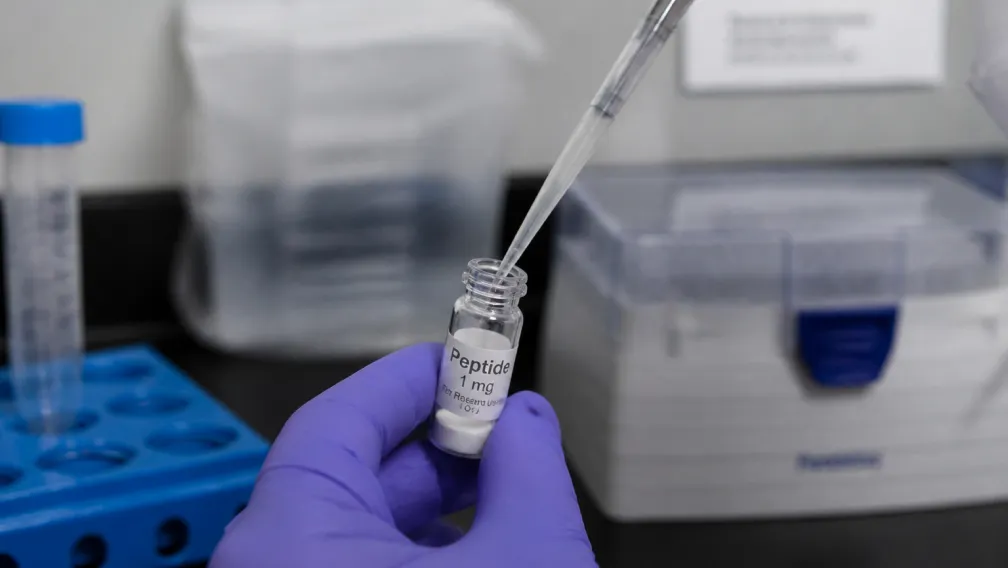
When retrieving a lyophilized peptide from a -20°C or -80°C freezer, the vial must remain completely closed until it has reached ambient room temperature. Opening a cold vial immediately allows ambient humidity to condense directly onto the cold peptide powder. This condensation acts as localized water, instantaneously compromising the dry state and accelerating degradation. Depending on the vial size, equilibration to room temperature typically takes between 30 to 60 minutes. Once equilibrated, operators should follow precise protocols for how to dissolve peptides, ensuring the correct solvent is selected based on the specific isoelectric point and hydrophobicity of the sequence.
Enhancing Stability Through Structural Modification
In cases where intrinsic sequence instability limits practical application, pharmaceutical developers leverage advanced structural modifications to extend half-life and improve storage viability.
Applying peptide modifications such as N-terminal acetylation and C-terminal amidation removes the terminal electrical charges, mimicking the native state of the peptide within a larger protein and providing significant resistance against exopeptidase cleavage. PEGylation (the covalent attachment of polyethylene glycol chains) drastically increases hydrodynamic volume, masking the peptide from proteolytic enzymes and reducing aggregation tendencies.
Furthermore, constraining the conformational flexibility of the molecule through cyclization provides the highest level of stability. Cyclopeptides, formed by connecting the N- and C-termini or through side-chain bridging (e.g., disulfide or lactam bridges), lock the molecule into a rigid structure. This rigidity prevents the peptide from adopting the conformations required for enzymatic cleavage or physical aggregation, making cyclic structures highly favored in modern drug discovery programs.
Partnering for Quality and Stability
Maintaining analytical-grade stability begins with the quality of the initial synthesis. Traces of residual solvents, synthesis scavengers, or misfolded isomers left behind during poor purification processes can act as catalysts for long-term degradation. Selecting a reputable peptide CDMO ensures that the API is synthesized with stringent impurity controls, delivered with detailed certificate of analysis (CoA) documentation, and packaged under inert gas to guarantee maximum baseline stability. By combining high-purity manufacturing with rigorous temperature and moisture controls, researchers can secure the structural integrity of their peptide assets from the manufacturing facility to the final experimental application.
-

Synpeptide
peptide-focused CRO/CDMO company
The SynPeptide Research Team brings together scientists specializing in peptide synthesis, purification, and analytical characterization. Drawing on hands-on laboratory experience across custom and catalog peptides, the team shares evidence-based insights for researchers, formulators, and product developers. All content is reviewed against current scientific literature and internal quality-control data, reflecting SynPeptide's commitment to accuracy, reproducibility, and the responsible communication of peptide science.