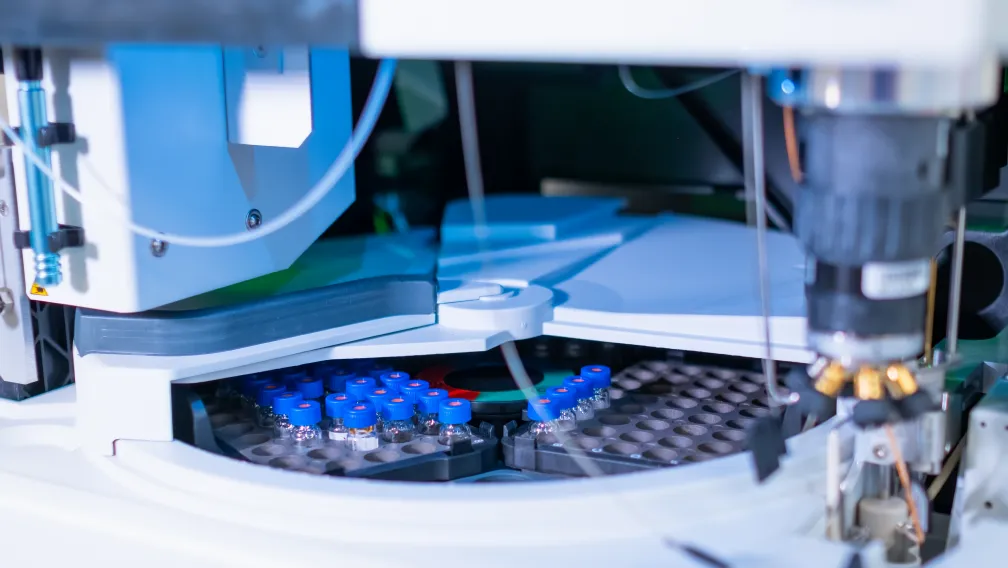
The synthesis of complex peptides requires stringent analytical oversight to ensure molecular fidelity and compliance with pharmacopeial standards. Despite continuous advancements in Solid-Phase Peptide Synthesis (SPPS), the iterative nature of the process inherently produces structurally related byproducts. Among the most challenging impurities to isolate and characterize are missing (deletion) and mismatched (modified or substituted) peptide sequences. Accurately identifying these peptide impurities is a fundamental requirement for establishing the safety, efficacy, and quality of peptide active pharmaceutical ingredients (APIs). High-Performance Liquid Chromatography (HPLC) coupled with Mass Spectrometry (MS) forms the analytical cornerstone for resolving these structural variations.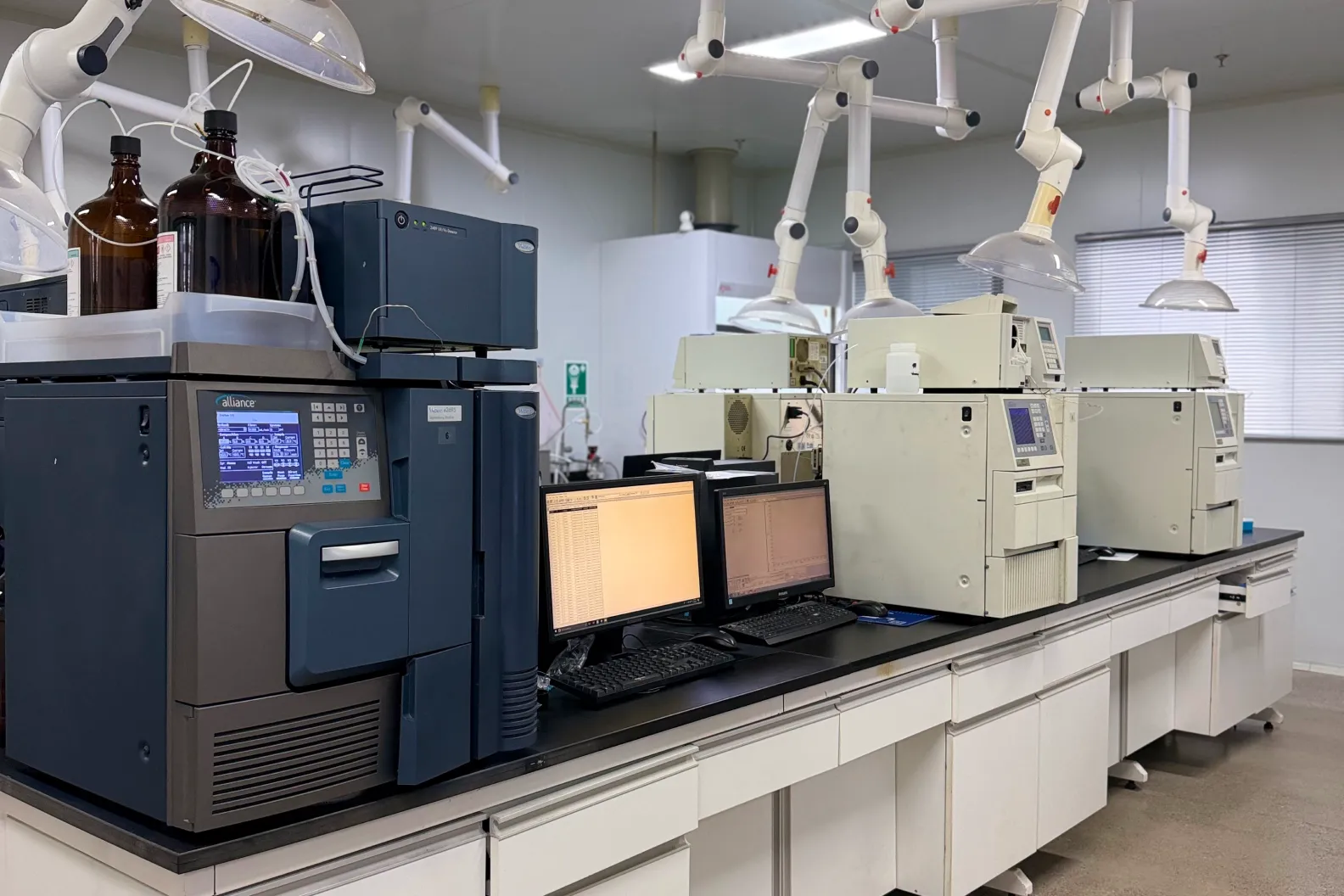
The Origin of Structural Impurities in Peptide Synthesis
Structural impurities in synthetic peptides primarily arise from the chemical mechanics of SPPS. Deletion sequences occur when an amino acid fails to couple to the growing peptide chain during a specific cycle. This is often caused by steric hindrance, aggregation of the resin-bound peptide, or incomplete removal of the Fmoc protecting group. The subsequent coupling cycle may then proceed normally, resulting in a peptide missing one specific internal amino acid. Truncated peptides represent another form of missing sequence, occurring when chain elongation permanently stops due to irreversible capping or side-reactions.
Mismatched peptides involve the incorrect incorporation or structural alteration of amino acids. Racemization (or epimerization) is a prevalent issue where the L-amino acid converts to its D-enantiomer during the activation step, particularly common with residues like histidine and cysteine. Other common mismatched sequences result from side-chain reactions during cleavage and deprotection, such as aspartimide formation in sequences containing Asp-Gly or Asp-Ser motifs, oxidation of methionine to methionine sulfoxide, and deamidation of asparagine and glutamine. Managing these complex drug peptide impurities requires highly resolving analytical techniques capable of distinguishing molecules with near-identical molecular weights and physicochemical properties.
High-Performance Liquid Chromatography (HPLC) Strategies
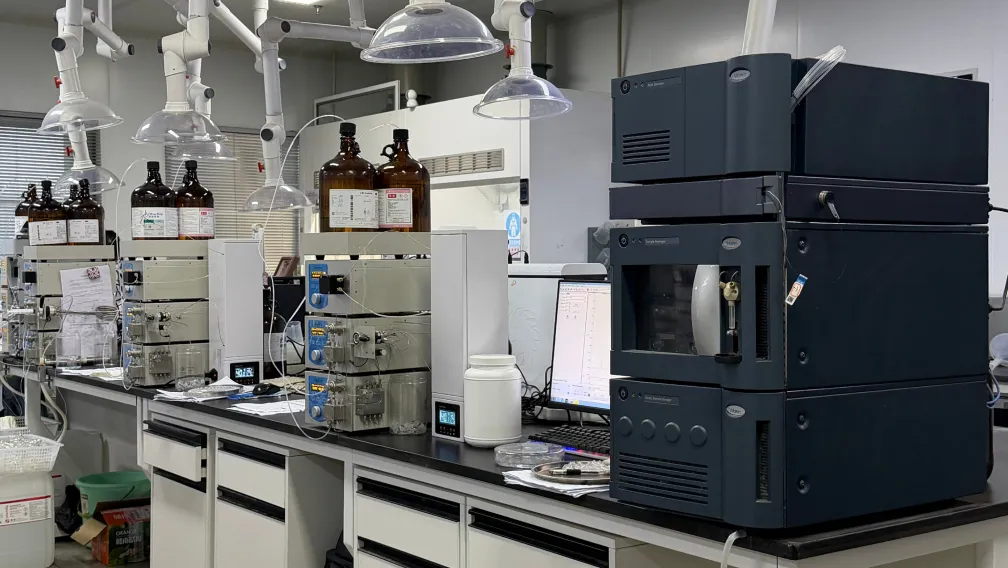
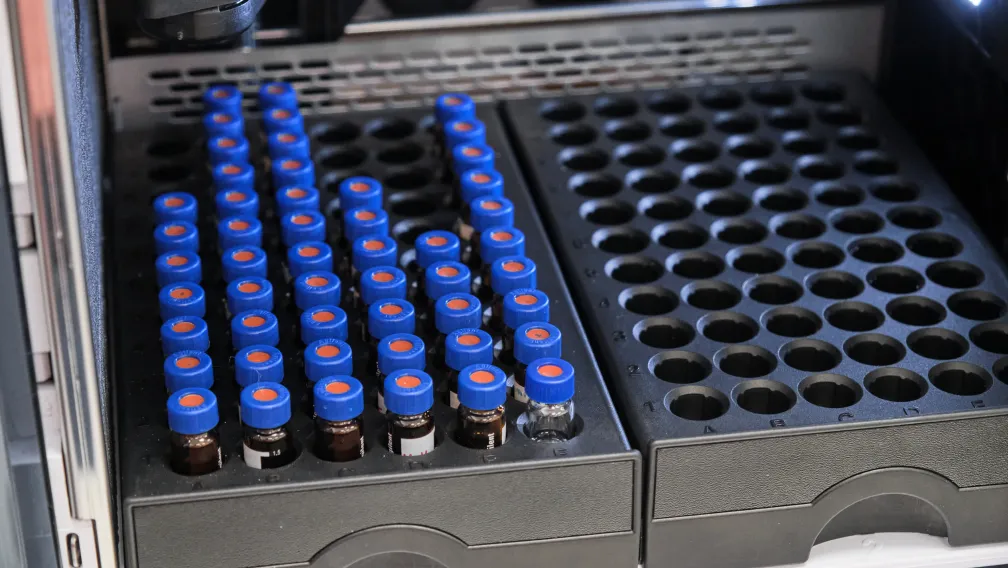
Reversed-Phase HPLC (RP-HPLC) serves as the primary separation engine for peptide analysis. Separation is based on the differential hydrophobic interactions between the peptide molecules in the mobile phase and the hydrophobic alkyl chains (typically C18 or C8) bonded to the stationary phase. A missing or mismatched amino acid alters the overall hydrophobicity of the peptide, leading to a shift in retention time.
Column Selection and Parameter Optimization
Optimizing the separation of closely related impurities necessitates careful selection of chromatographic parameters. For peptides exceeding 30 amino acids, stationary phases with larger pore sizes (e.g., 300 Å) are preferred over standard 100 Å columns to prevent size-exclusion effects and maximize surface area interaction. The mobile phase usually consists of water and acetonitrile gradients containing ion-pairing reagents.
Trifluoroacetic acid (TFA) at 0.05% to 0.1% concentration is the standard ion-pairing agent in RP-HPLC. TFA binds to the basic residues of the peptide, masking their positive charge and significantly improving peak shape and resolution. However, TFA causes strong ion suppression in mass spectrometry. When coupling HPLC directly to MS (LC-MS), analysts frequently substitute TFA with formic acid (FA) or use weaker concentrations of TFA combined with post-column make-up flows to mitigate signal suppression while retaining chromatographic resolution.
Separating Epimers and Isomers
While standard RP-HPLC efficiently resolves mass-variant impurities like deletion sequences, separating epimers (mismatched peptides containing a D-amino acid) presents a greater challenge. Epimers possess identical molecular weights to the target peptide and often exhibit minimal differences in hydrophobicity. Adjusting column temperature, utilizing shallower mobile phase gradients, or employing different column chemistries (such as biphenyl or fluorinated stationary phases) can induce the necessary selectivity. In severe cases of co-elution, specialized chiral chromatography may be implemented prior to mass analysis.
Mass Spectrometry (MS) for Exact Identification
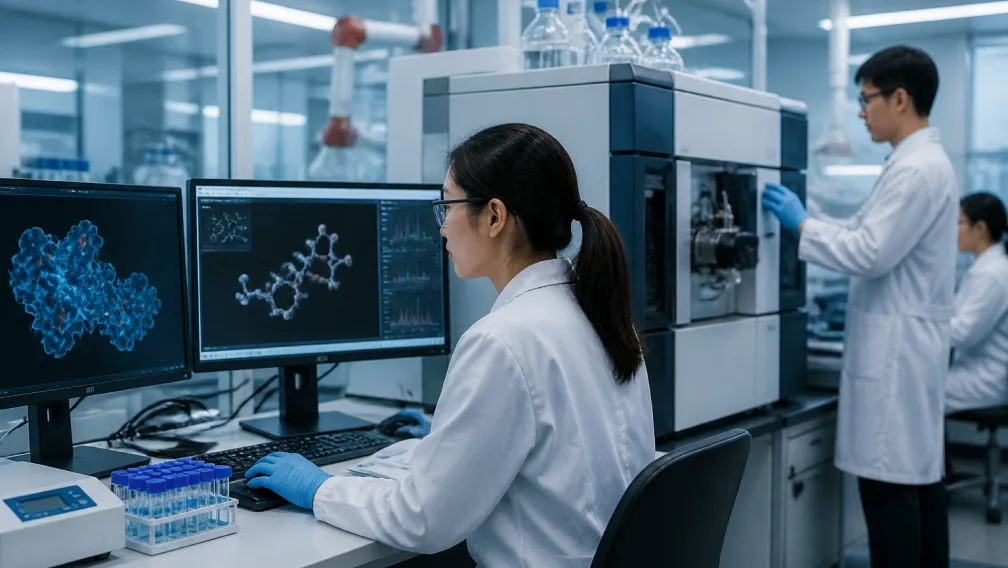
While HPLC provides separation and quantitative data, Mass Spectrometry is essential for the definitive structural identification of the eluting peaks. High-resolution mass spectrometers, such as Time-of-Flight (TOF) or Orbitrap analyzers equipped with Electrospray Ionization (ESI) sources, provide exact mass measurements with sub-ppm accuracy. This precise mass data immediately confirms the presence of missing residues (e.g., a mass deficit corresponding to the exact residue weight of an omitted amino acid) or covalent additions (e.g., +16 Da for oxidation).
Tandem Mass Spectrometry (MS/MS) and Sequence Mapping
Determining that an amino acid is missing is insufficient; analytical chemists must pinpoint exactly where the deletion or mismatch occurred within the sequence. Tandem mass spectrometry (MS/MS) accomplishes this by fragmenting the peptide ions in the gas phase. The most common fragmentation technique is Collision-Induced Dissociation (CID), where peptide ions collide with neutral gas molecules (like argon or nitrogen), causing the peptide bonds along the backbone to break.
The fragmentation follows predictable patterns, primarily generating b-ions (containing the N-terminus) and y-ions (containing the C-terminus) according to the Roepstorff-Fohlman-Biemann nomenclature. By analyzing the mass differences between adjacent peaks in the b-ion or y-ion series, the software reconstructs the amino acid sequence. If a specific amino acid is missing in an impurity, the corresponding mass gap will be absent in the fragmentation spectrum at that precise sequence location. For highly complex modifications, alternative fragmentation methods like Electron Transfer Dissociation (ETD) or Electron Capture Dissociation (ECD) are deployed. These techniques break the peptide backbone while leaving fragile post-translational peptide modifications intact, allowing for accurate localization of the modified site.
The Critical Role of Reference Standards
Analytical instruments and software algorithms provide strong evidence for impurity structures, but regulatory frameworks (such as ICH Q6A and Q11 guidelines) demand absolute empirical confirmation during method validation. Relying solely on predictive software for structural assignment carries the risk of misidentification, particularly with isobaric substitutions or unusual structural rearrangements.
To definitively validate an analytical method, laboratories must synthesize and utilize authentic peptide impurities reference standards. By spiking the pure target API with exactly synthesized reference standards of the suspected deletion or mismatched sequences, analysts confirm that the HPLC method successfully separates the specific impurity from the main peak. Furthermore, the synthetic reference standard provides an indisputable MS/MS fragmentation fingerprint to compare against the unknown impurity peak identified in a production batch.
Integrating Advanced Analytics in Custom Manufacturing
The progression of a therapeutic peptide from discovery to commercialization relies heavily on the robustness of its analytical control strategy. Unidentified or co-eluting impurities pose severe risks to patient safety and can lead to immediate regulatory rejection. Implementing rigorous HPLC and LC-MS/MS workflows ensures that process-related impurities are tracked from early preclinical development through to process scale-up.
For pharmaceutical developers, partnering with a specialized peptide CDMO that maintains fully integrated analytical capabilities is vital. A facility equipped to perform advanced sequence mapping and impurity profiling in-house can rapidly identify synthesis bottlenecks and adjust coupling protocols to suppress byproducts. Whether navigating routine custom peptide synthesis or transitioning towards large-scale peptide synthesis, transparent and rigorous impurity identification remains the ultimate benchmark of manufacturing quality.
-

Synpeptide
peptide-focused CRO/CDMO company
The SynPeptide Research Team brings together scientists specializing in peptide synthesis, purification, and analytical characterization. Drawing on hands-on laboratory experience across custom and catalog peptides, the team shares evidence-based insights for researchers, formulators, and product developers. All content is reviewed against current scientific literature and internal quality-control data, reflecting SynPeptide's commitment to accuracy, reproducibility, and the responsible communication of peptide science.