Naturally occurring peptides containing multiple disulfide bridges, such as conotoxins, cyclotides, and defensins, exhibit exceptional metabolic stability, resistance to proteolytic degradation, and high receptor binding affinity. Translating these complex structural motifs into synthetic therapeutic candidates requires absolute regiocontrol over cysteine oxidation. Relying on random thermodynamic folding for sequences with two or more disulfide bonds typically results in low yields of the native isomer and a complex mixture of misfolded, scrambled byproducts. To enforce correct disulfide connectivity, peptide chemists employ orthogonal protection strategies during Solid-Phase Peptide Synthesis (SPPS). This approach utilizes specific cysteine protecting groups that can be removed under completely different chemical conditions, allowing for the sequential, directed formation of each individual disulfide bridge.
The Chemical Challenge: Disulfide Scrambling and Misfolding
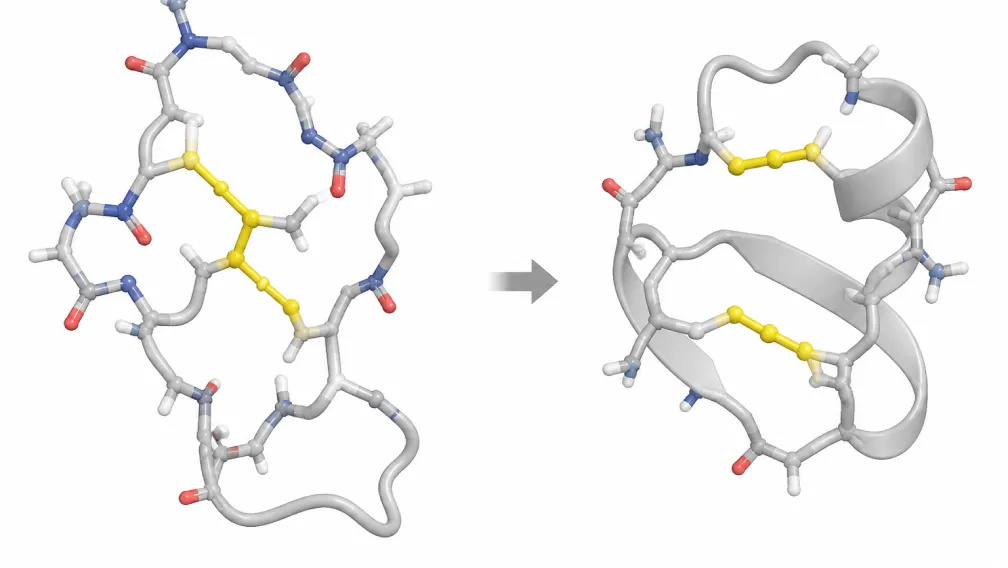
In a linear peptide containing four free cysteine residues, there are three mathematically possible configurations for two disulfide bonds. For a peptide with six cysteines, the number of possible isomeric combinations jumps to 15. If a sequence is subjected to global deprotection and uniform oxidative folding (such as stirring in an aqueous buffer with air or glutathione), the peptide adopts the conformation with the lowest global thermodynamic energy. While some natural peptides fold autonomously into their native active state, most synthetic analogues and highly engineered cyclopeptides lack the inherent folding chaperones found in biological systems.
Without directed pairing, off-target cysteines oxidize to form mispaired (scrambled) disulfide bonds. These misfolded isomers possess identical molecular weights to the target peptide, making them extraordinarily difficult to separate via standard preparative HPLC. Furthermore, free thiols can engage in intermolecular disulfide formation, producing unwanted dimers and oligomers that severely depress the overall synthesis yield. Consequently, regioselective synthesis utilizing orthogonal protecting groups is the mandatory chemical strategy for producing complex constrained peptides at commercial scale.
Principles of Orthogonality in Cysteine Protection
Orthogonal protection implies the use of two or more protecting groups that can be removed independently of one another, utilizing different cleavage mechanisms (e.g., acidolysis, heavy metal oxidation, or thiol displacement) without affecting the remaining protected groups or the peptide backbone.
For standard Fmoc/tBu chemistry, the most common cysteine protecting groups are categorized by their lability:
- Trityl (Trt): Highly acid-labile. Cleaved during the standard global deprotection step using 90-95% trifluoroacetic acid (TFA). The resulting free thiols are usually oxidized in the first step of directed folding.
- Acetamidomethyl (Acm): Completely stable to TFA. It requires simultaneous deprotection and oxidation using iodine (I2) or thallium(III) trifluoroacetate, forming a disulfide bond directly from the protected precursors.
- Methoxytrityl (Mmt): Hyper-acid-labile. It can be selectively removed using very dilute acid (1-2% TFA in dichloromethane) while leaving standard Trt and tBu groups completely intact on the resin.
- S-tert-Butylthio (StBu): Removed via thiolysis using reducing agents like dithiothreitol (DTT) or beta-mercaptoethanol (BME), entirely orthogonal to acidolytic cleavage.
- p-Methoxybenzyl (Mob): Highly stable, typically requiring strong acids like HF (in Boc chemistry) or harsh oxidative conditions (iodine) for removal, often used alongside Acm for highly complex pairings.
Regioselective Synthesis of Two Disulfide Bonds
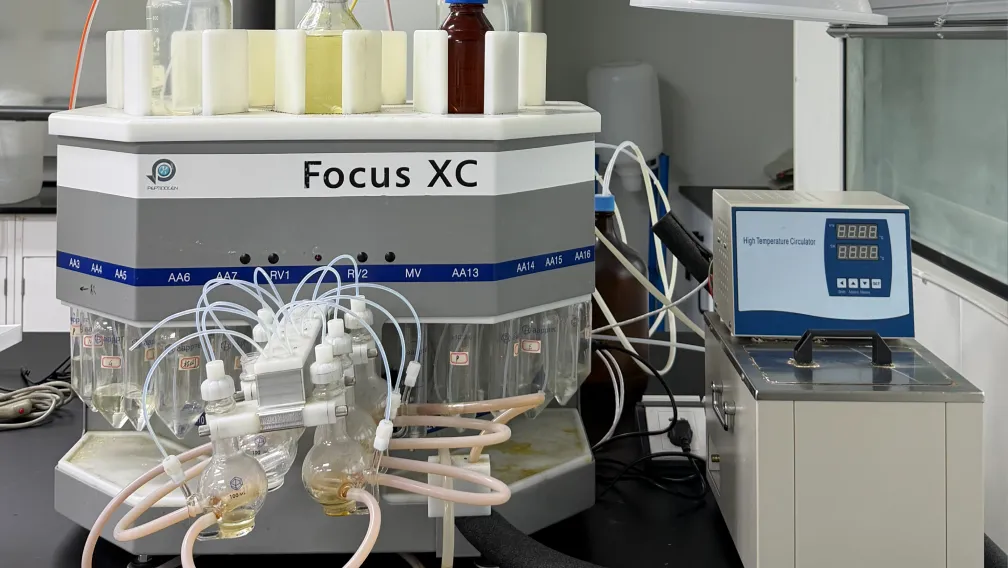
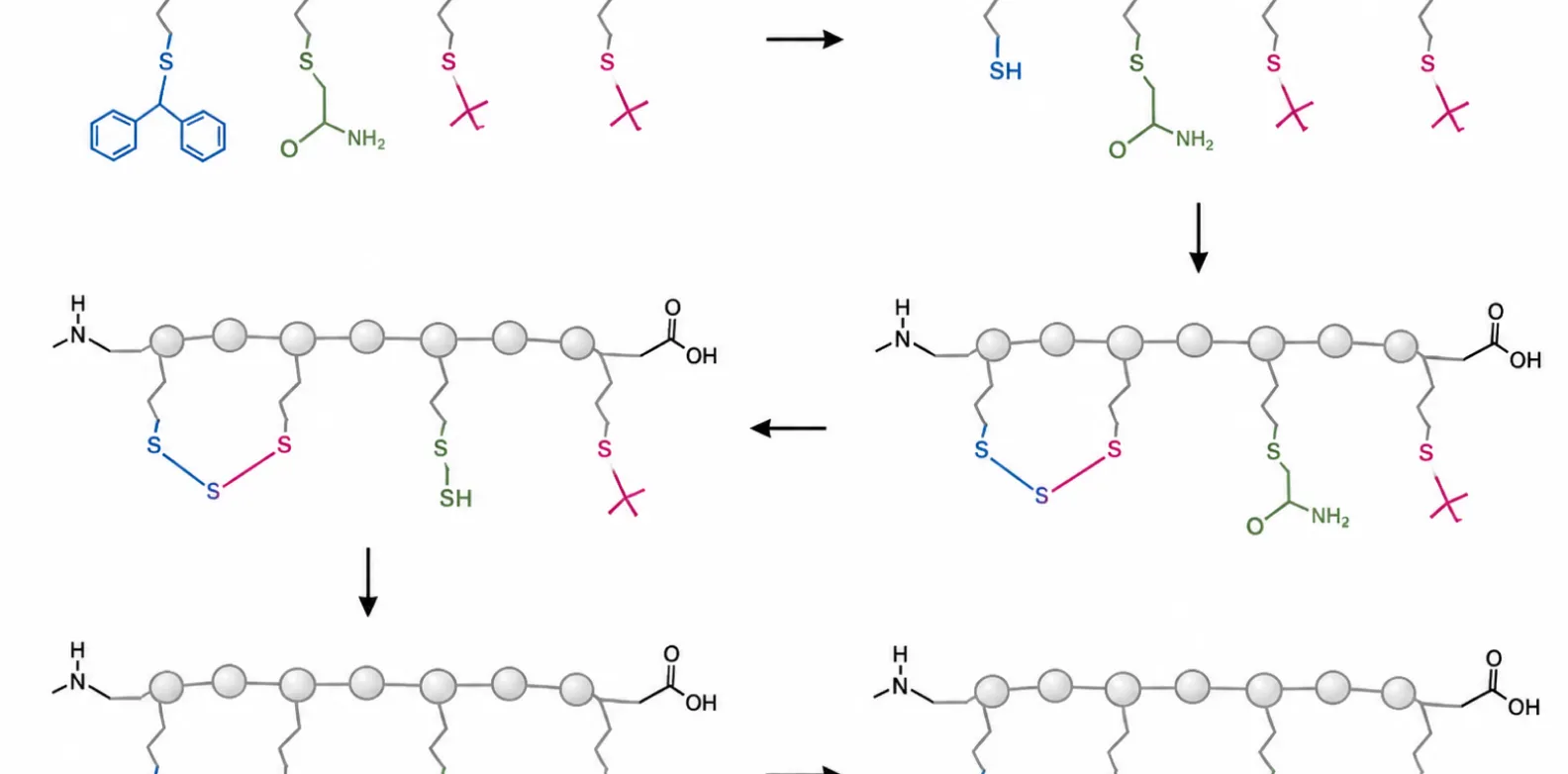
The synthesis of a peptide with two directed disulfide bonds (four cysteines) most commonly employs the Cys(Trt) and Cys(Acm) combination. The strategic placement of these groups during the automated custom peptide synthesis phase dictates the final molecular architecture.
Step 1: Assembly and First Oxidation. The peptide is synthesized with the first pair of cysteines protected by Trt and the second pair protected by Acm. During the global TFA cleavage from the solid support, the Trt groups are removed, liberating two free thiols, while the Acm groups remain firmly attached. The crude peptide is dissolved in a highly dilute aqueous buffer (typically < 1 mg/mL to prevent intermolecular dimerization). Oxidation of the two free thiols is achieved using mild oxidants such as atmospheric oxygen, dimethyl sulfoxide (DMSO), or hydrogen peroxide, forming the first specific disulfide bridge.
Step 2: Second Oxidation. The intermediate mono-disulfide peptide is isolated. The second disulfide bond is formed by treating the peptide with iodine in a mixture of methanol and water or aqueous acetic acid. Iodine executes a highly efficient simultaneous deprotection and oxidation of the two Cys(Acm) residues. A critical process control parameter here is the exact stoichiometric monitoring of iodine; excessive exposure can lead to the irreversible over-oxidation of cysteine to cysteic acid or the oxidation of methionine and tryptophan residues.
Advanced Architectures: Three or More Disulfide Bonds
Synthesizing insulin analogues, relaxins, or complex venom-derived conotoxins requires the regioselective formation of three distinct disulfide bonds. This mandates a three-dimensional orthogonal strategy, typically utilizing a Cys(Trt) / Cys(StBu) / Cys(Acm) or a Cys(Trt) / Cys(Acm) / Cys(Mob) protection scheme.
A standard three-step directed oxidation proceeds as follows: First, Trt groups are cleaved with TFA, and the resulting free thiols are oxidized (e.g., using DMSO). Second, the StBu groups are removed via thiolysis (using DTT), liberating the second pair of thiols, which are subsequently oxidized (often requiring a different oxidant or pH adjustment to prevent shuffling of the first bond). Finally, the Acm groups are cleaved and oxidized simultaneously using iodine. Each distinct oxidation step must be followed by rigorous analytical confirmation and often intermediate preparative HPLC purification to clear truncated failures before proceeding, significantly increasing the complexity of the downstream process.
Scale-Up and Manufacturing Constraints
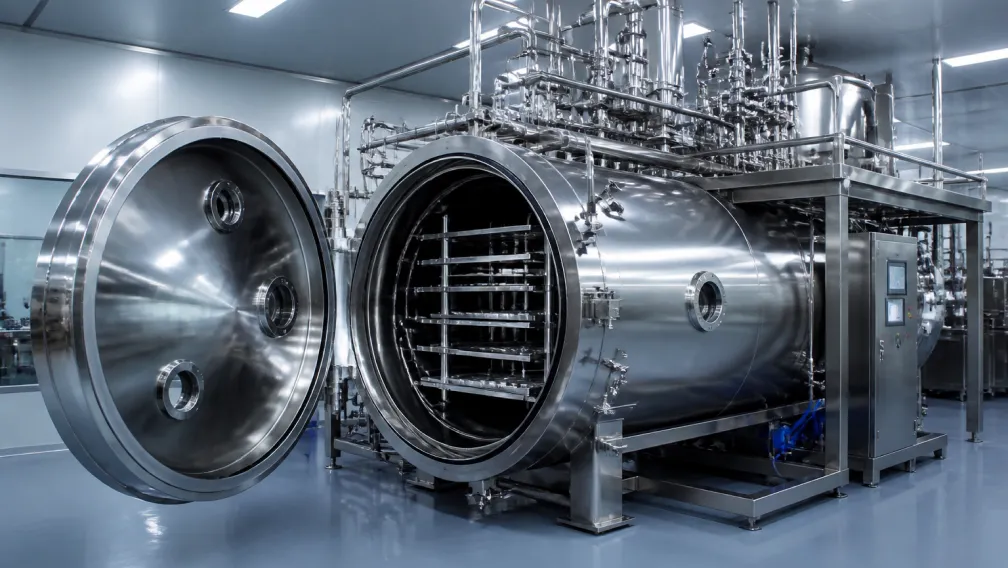
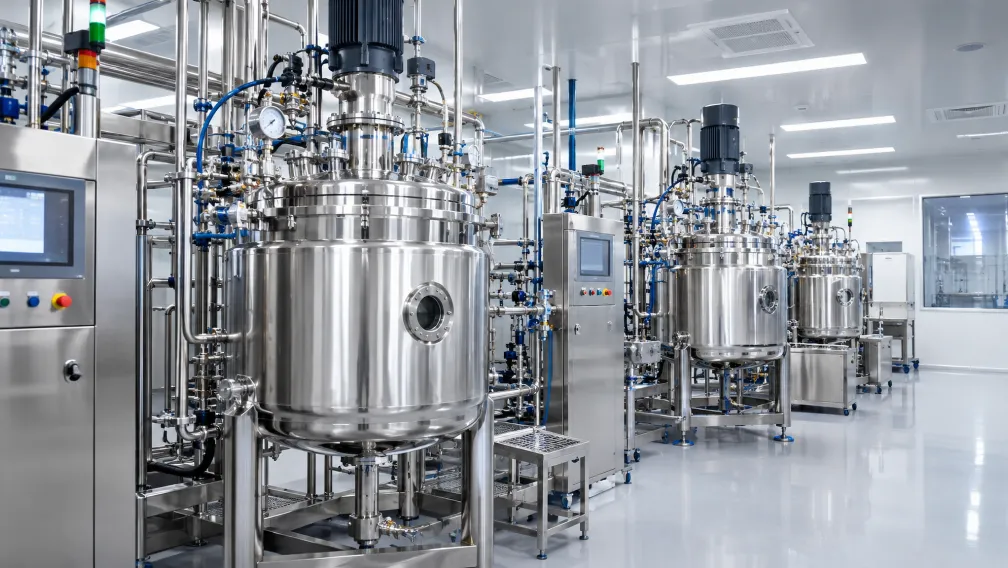
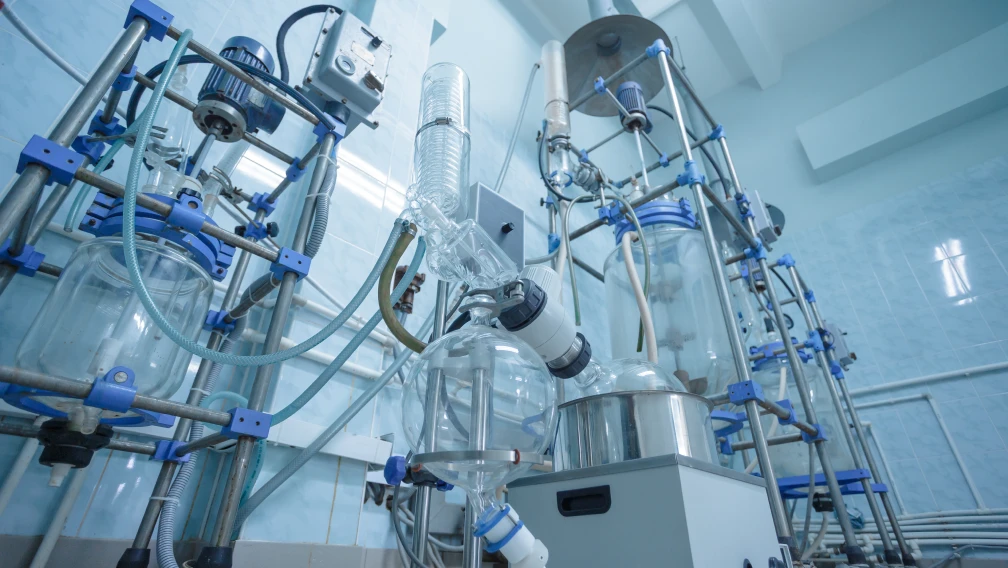
Executing orthogonal protection strategies during large-scale peptide synthesis introduces severe engineering constraints. The primary bottleneck is the solvent volume required for intramolecular cyclization. Directed oxidation must occur under high-dilution conditions to thermodynamically favor intramolecular folding over intermolecular oligomerization. Scaling a reaction that requires a concentration of 0.5 mg/mL to a 1-kilogram batch necessitates a 2,000-liter reaction vessel.
To mitigate these enormous solvent requirements, process engineers utilize pseudo-high-dilution techniques. The linear peptide is slowly infused via metered dosing pumps into a continuously stirring oxidation buffer, keeping the steady-state concentration of the unoxidized precursor extremely low while the accumulated oxidized product builds up in the reactor. Additionally, managing heavy metal waste (if thallium is used) or handling massive volumes of iodine requires specialized containment and quenching infrastructure. Pharmaceutical developers advancing such molecules into clinical trials require a peptide CDMO equipped with industrial-scale dynamic axial compression (DAC) chromatography to handle the massive liquid volumes generated during these multi-step oxidations.
Analytical Characterization of Disulfide Connectivity
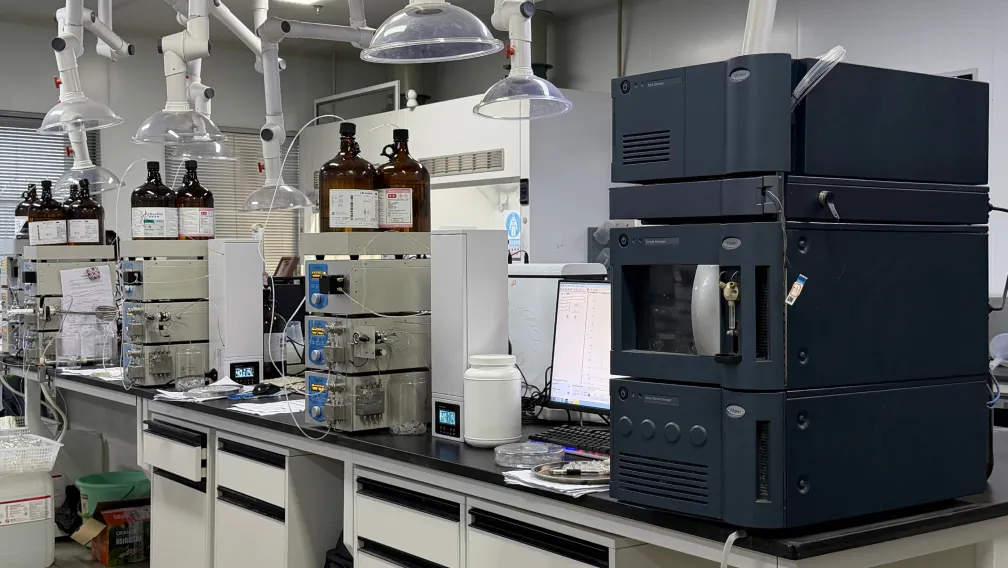
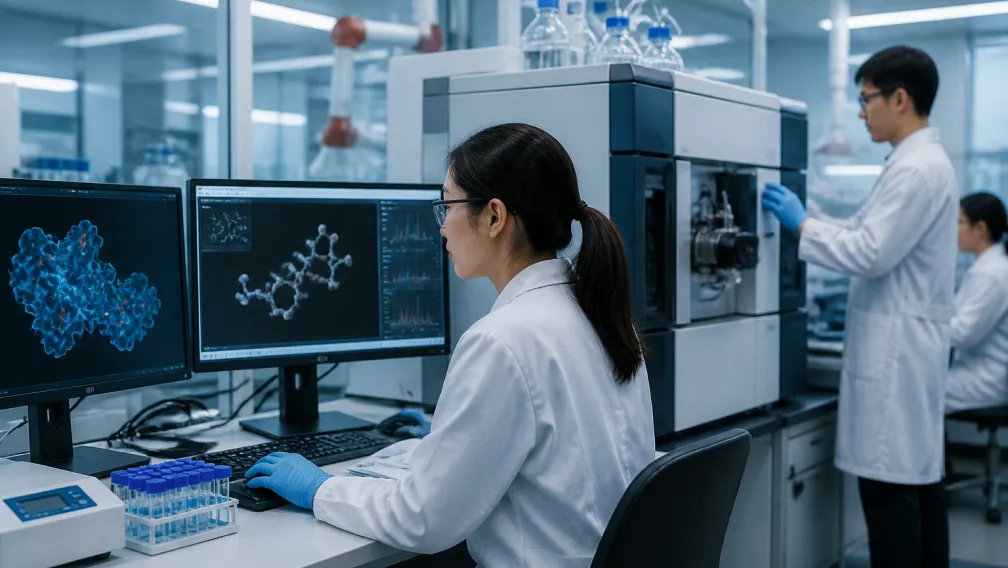
Confirming that the correct cysteines have paired is an absolute regulatory requirement for API release. Simple mass spectrometry confirms the loss of protons (e.g., -2 Da per disulfide bond) but cannot verify which specific residues are linked. To prove correct regiocontrol, analytical chemists perform enzymatic digestion (e.g., using trypsin or chymotrypsin) to cleave the peptide into smaller fragments while keeping the disulfide bonds intact. The resulting fragments are analyzed via LC-MS/MS.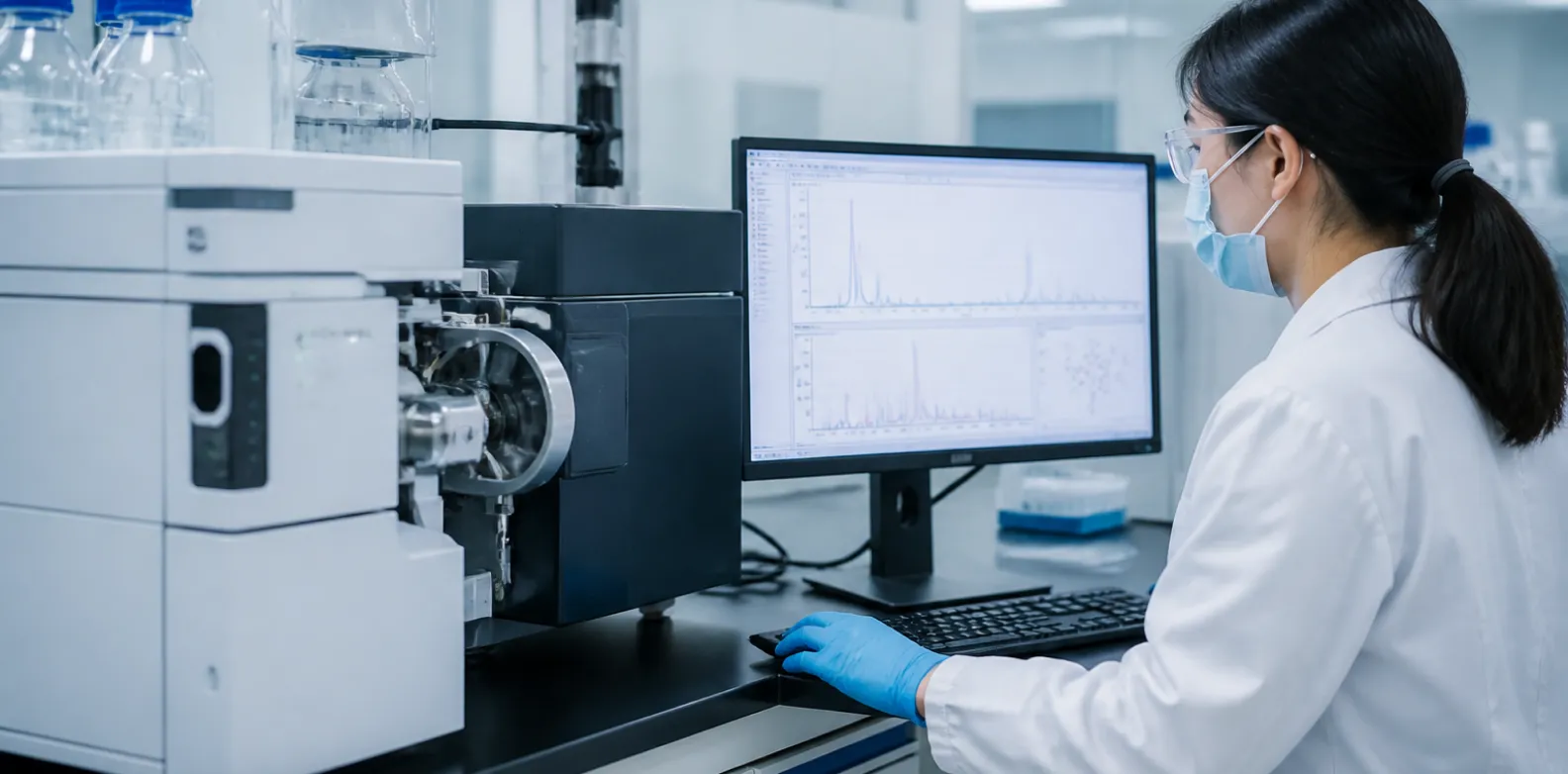
For highly constrained drug peptides where enzymatic digestion is ineffective, advanced fragmentation techniques like Electron Transfer Dissociation (ETD) or Electron Capture Dissociation (ECD) are employed. Unlike Collision-Induced Dissociation (CID), which preferentially ruptures the fragile disulfide bonds, ETD cleaves the peptide backbone (generating c and z ions) while leaving the disulfide linkages entirely intact. This allows researchers to precisely map the connectivity map of the molecule and prove that the orthogonal synthesis strategy successfully prevented disulfide scrambling.
-

Synpeptide
peptide-focused CRO/CDMO company
The SynPeptide Research Team brings together scientists specializing in peptide synthesis, purification, and analytical characterization. Drawing on hands-on laboratory experience across custom and catalog peptides, the team shares evidence-based insights for researchers, formulators, and product developers. All content is reviewed against current scientific literature and internal quality-control data, reflecting SynPeptide's commitment to accuracy, reproducibility, and the responsible communication of peptide science.