As the pharmaceutical industry moves into the final quarter of 2026, the global peptide manufacturing landscape is witnessing a distinct paradigm shift. While the unprecedented scale-up of metabolic therapeutics continues to occupy significant manufacturing capacity, a parallel and equally transformative wave is rapidly maturing within the oncology and rare disease sectors: the rise of Peptide Drug Conjugates (PDCs). Recent market intelligence published in Q3 2026 confirms that the global PDC sector has reached a critical valuation of USD 5.41 billion this year, driven by a robust compound annual growth rate (CAGR) of 19.46% that is projected to propel the market past USD 22.45 billion by 2034. This extraordinary expansion reflects the pharmaceutical industry's aggressive pivot toward precision-targeted oncology solutions and the widespread integration of advanced theranostic platforms.
The Structural Anatomy of a Peptide Drug Conjugate
Peptide Drug Conjugates represent a highly sophisticated class of targeted therapeutics designed to deliver potent pharmacological payloads directly to specific cellular receptors. Unlike traditional systemic chemotherapy, which indiscriminately attacks both malignant and healthy tissues, PDCs operate on a principle of selective cytotoxicity. A standard PDC is constructed from three highly engineered components: a homing peptide, a chemical linker, and a therapeutic payload.
The targeting mechanism relies on a customized peptide sequence meticulously designed to bind with high affinity to overexpressed receptors on the surface of tumor cells. Once the peptide binds to the target receptor, the entire conjugate is typically internalized into the cell via receptor-mediated endocytosis. The chemical linker serves as the critical bridge between the peptide and the payload. This linker must maintain absolute stability while circulating in the bloodstream to prevent premature payload release, yet it must cleave efficiently once inside the acidic or enzyme-rich environment of the target cell. Finally, the payload—which can range from cytotoxic chemotherapeutic agents to radioactive isotopes—is released intracellularly to induce cell death.
PDCs vs. ADCs: The Pharmacokinetic Advantage
For the past decade, Antibody-Drug Conjugates (ADCs) have dominated the targeted delivery landscape. However, as of 2026, developers are increasingly turning to drug peptides as superior targeting vectors for specific clinical indications. PDCs offer several distinct structural and pharmacokinetic advantages over their bulky antibody counterparts.
First, peptides are significantly smaller molecular entities (typically 1 to 5 kDa) compared to full-length monoclonal antibodies (approximately 150 kDa). This miniaturized footprint grants PDCs exceptional solid tumor tissue penetration capabilities, allowing them to reach poorly vascularized tumor microenvironments where massive antibodies fail to diffuse. Second, the small size and synthetic nature of peptides drastically reduce the risk of severe immunogenic responses, a persistent challenge in biologic therapies. From a manufacturing perspective, PDCs are predominantly synthesized via precise chemical processes rather than complex biological expression systems. This reliance on custom peptide synthesis significantly lowers production costs, shortens development timelines, and allows for exact batch-to-batch reproducibility that biological processes struggle to match.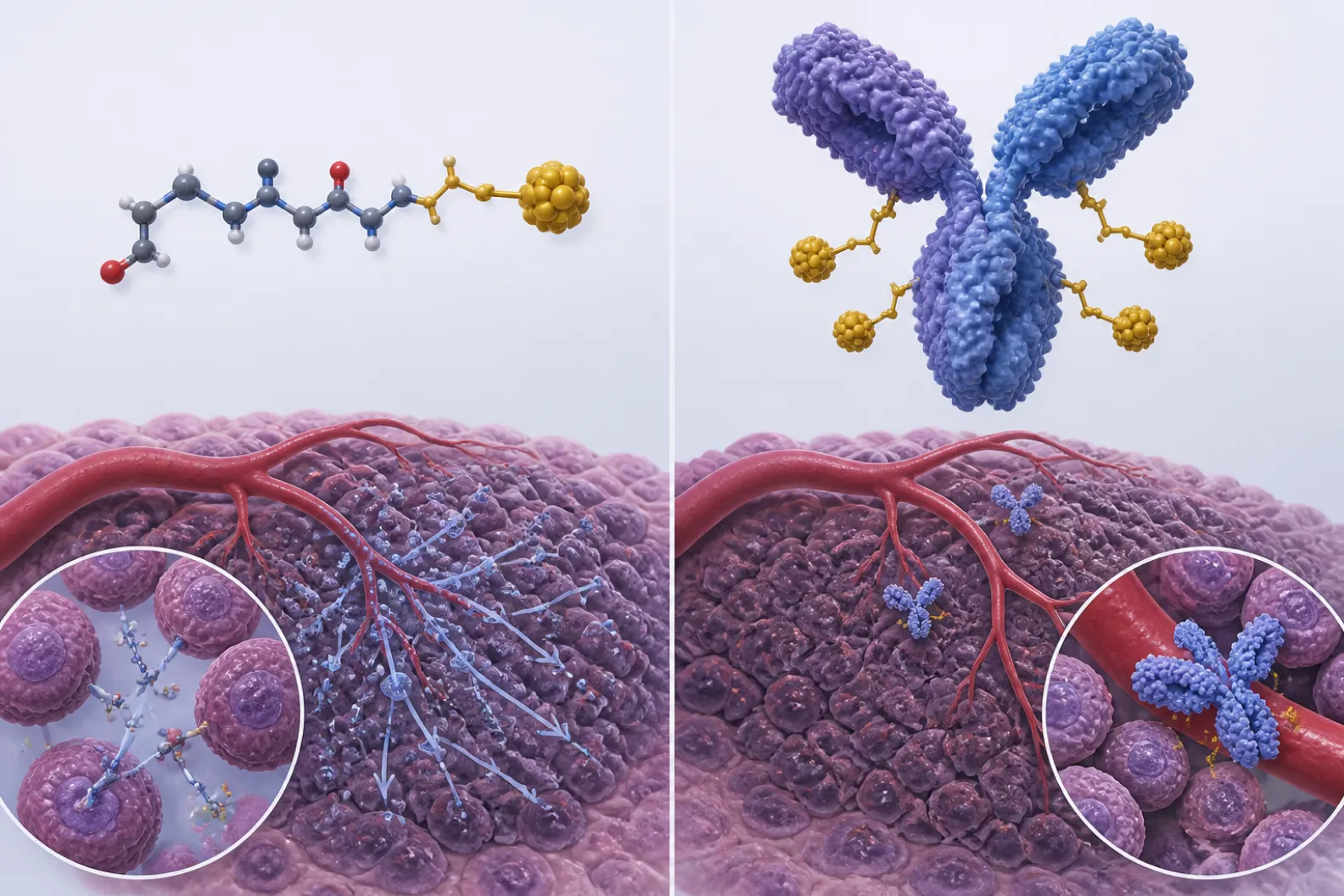
The 2026 Surge in Radioligand Therapies (RLTs)
The most explosive subset of the 2026 PDC market is targeted radioligand therapy. The United States continues to lead as a primary innovation hub for these therapies, fueled by rising investments and a strong clinical research infrastructure focusing on prostate cancer, neuroendocrine tumors, and metastatic disease. In radioligand therapies, the cytotoxic chemical payload is replaced by a radioactive isotope, such as Lutetium-177 (a beta emitter) or Actinium-225 (an alpha emitter). The homing peptide acts as a molecular vehicle, carrying the localized radiation directly to the tumor site, thereby destroying the cancer DNA while sparing surrounding healthy tissue.
This segment is heavily driving the adoption of "theranostics"—a revolutionary approach that integrates diagnostic imaging and therapeutic intervention into a single platform. By swapping a therapeutic isotope for an imaging isotope (like Gallium-68) on the exact same targeting peptide, oncologists can precisely map the extent of metastasis via PET scans before delivering the lethal radiation dose. Expanding research into rare cancers and receptor-positive tumors is creating massive opportunities for innovative peptide conjugate platforms to establish themselves as first-line oncology treatments.
Complexities in Linker Chemistry and Conjugation
While the clinical advantages of PDCs are indisputable, the chemical engineering required to synthesize them presents profound technical challenges. The development of the linker is arguably the most complex aspect of PDC design. Linkers are generally categorized as cleavable or non-cleavable. Cleavable linkers exploit unique intracellular conditions—such as the acidic pH of endosomes, the highly reducing environment generated by intracellular glutathione, or the presence of specific lysosomal enzymes like cathepsin B—to trigger the release of the payload.
Achieving the perfect balance of extracellular stability and intracellular lability requires extensive optimization through advanced peptide modification techniques. Furthermore, the inherent limitation of peptides—their short biological half-life due to rapid renal clearance and enzymatic degradation—must be addressed during the conjugation phase. Chemists frequently employ strategies such as PEGylation, lipid conjugation, or the substitution of L-amino acids with unnatural D-amino acids to enhance metabolic stability and extend the circulation time of the PDC in vivo.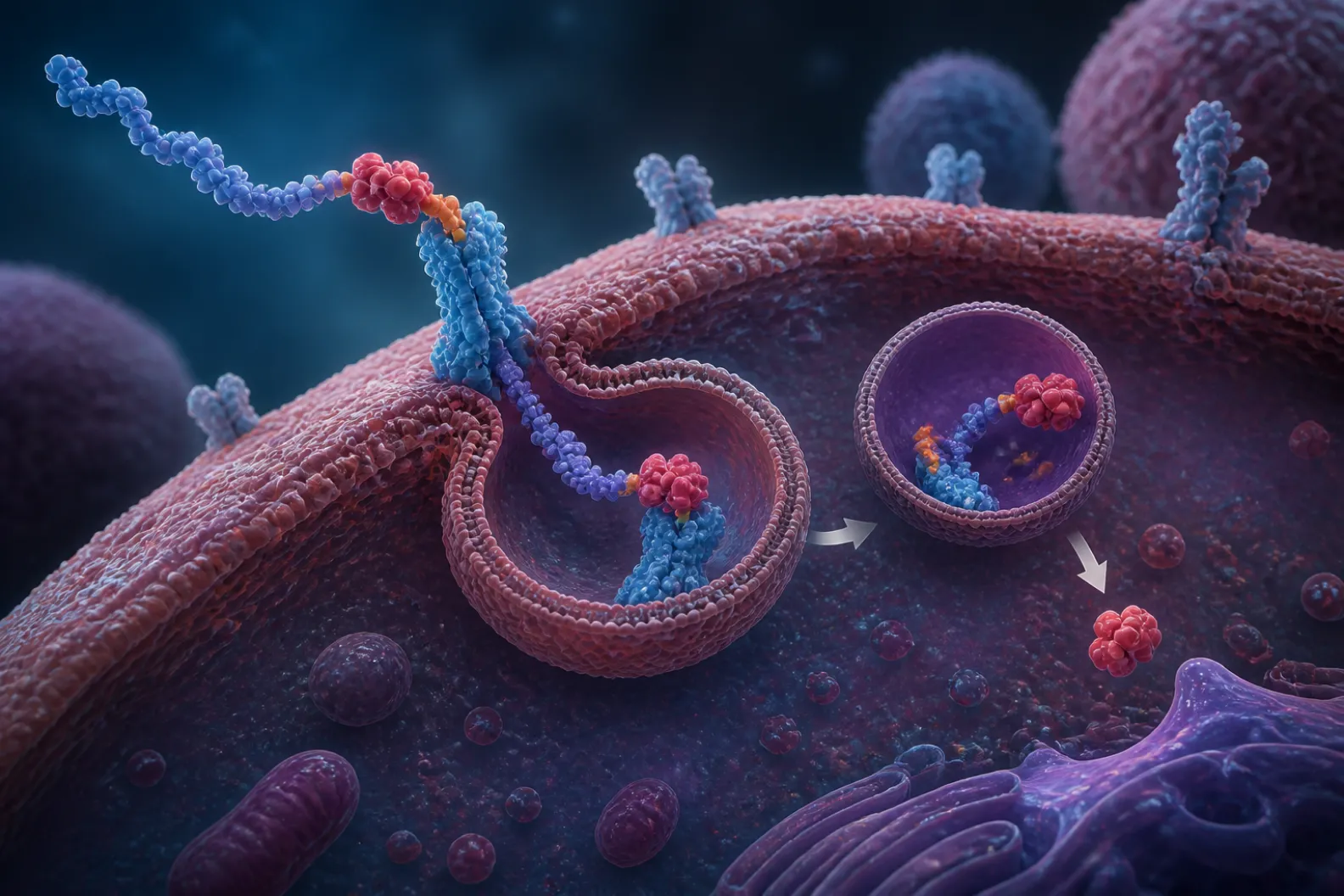
Quality Control and Impurity Profiling
Because a PDC is a multi-component hybrid molecule, ensuring its purity and structural integrity is an immense analytical undertaking. The conjugation reaction between the peptide and the payload is rarely 100% efficient. It can generate a complex mixture of unreacted peptides, free payload molecules, and conjugates with incorrect stoichiometric ratios. Unconjugated highly potent payloads present extreme toxicity risks to patients, while incomplete conjugates drastically reduce the therapeutic efficacy of the final drug product.
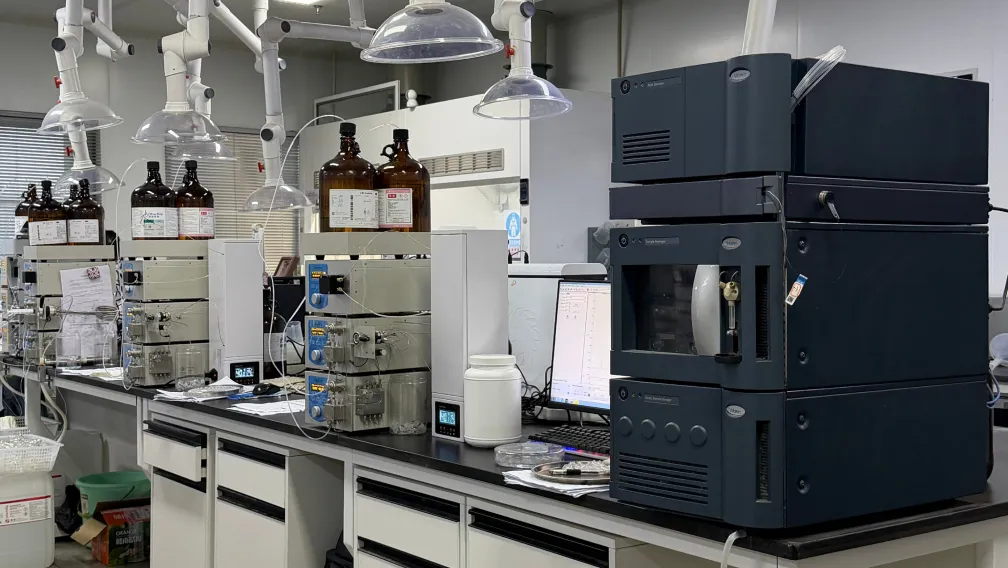
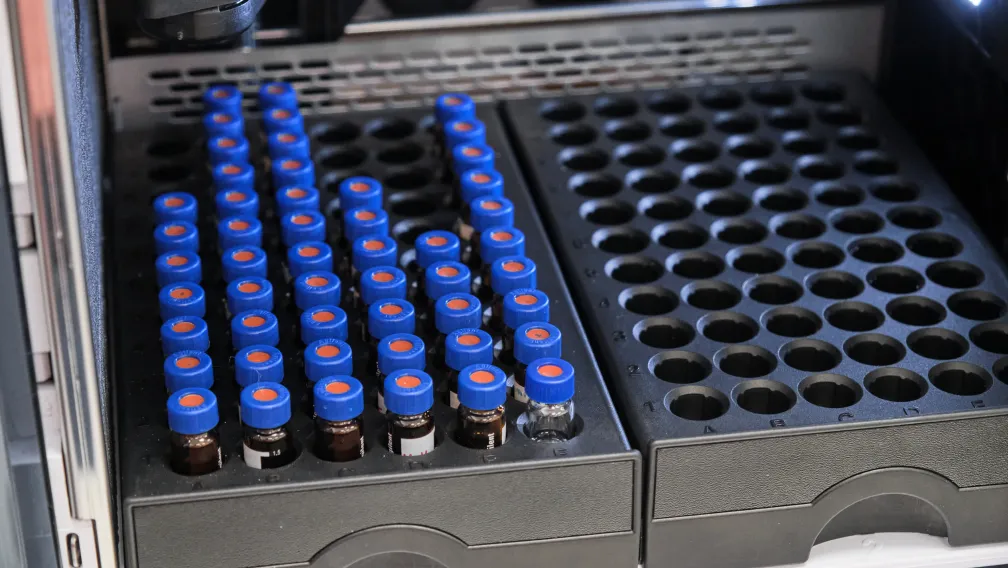
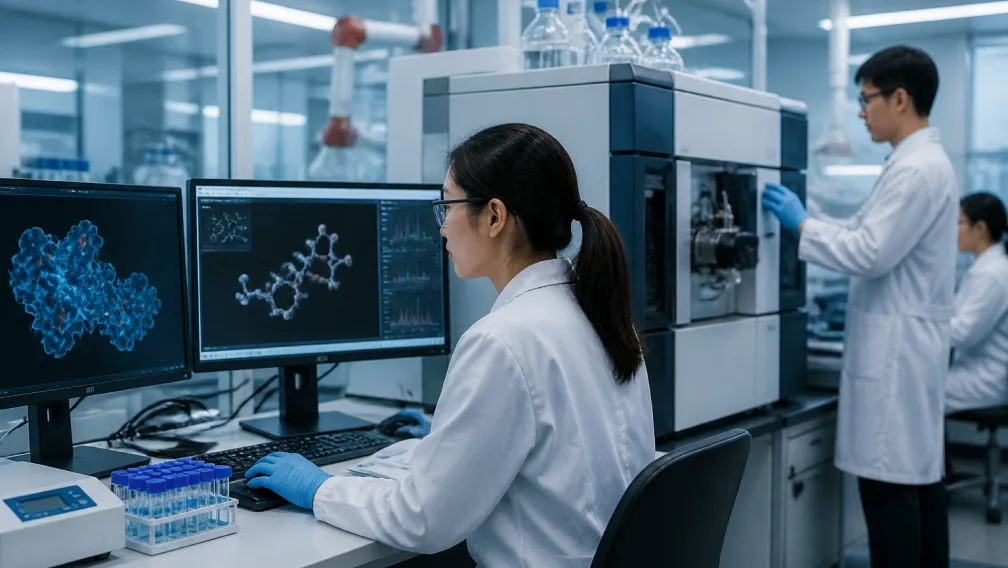
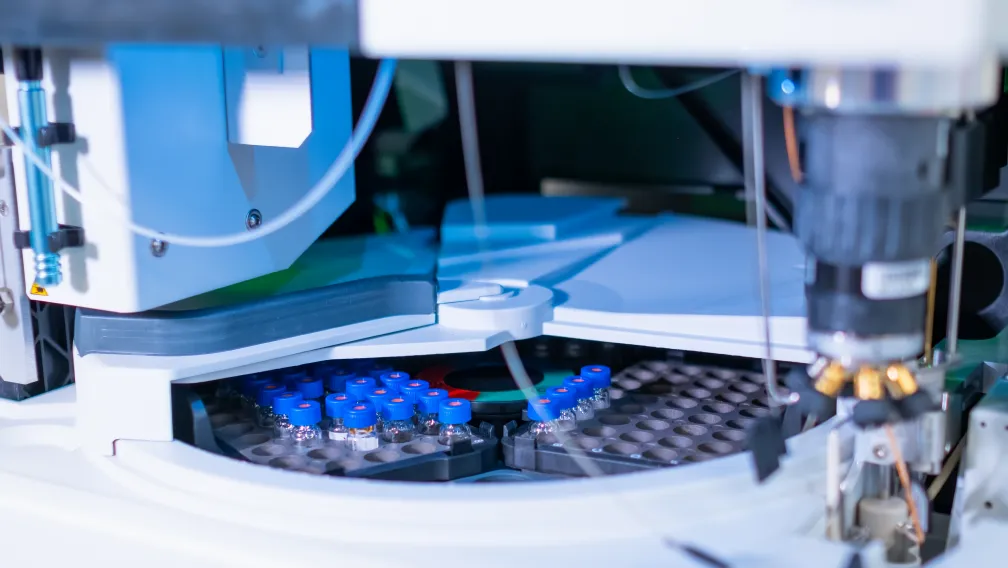
Strict regulatory frameworks demand that manufacturers implement highly resolving analytical techniques, such as High-Performance Liquid Chromatography coupled with High-Resolution Mass Spectrometry (HPLC-HRMS), to accurately profile the final product. Identifying and isolating missing sequences, aggregated proteins, and specific drug peptide impurities requires the synthesis of dedicated reference materials. Robust method validation utilizing certified peptide impurities reference standards is mandatory to confirm that the manufacturing process consistently yields a uniform drug product free from toxic byproducts.
Strategic Outsourcing to Specialized CDMOs
The transition of PDCs from early-phase clinical trials to commercialization has created a severe bottleneck in global manufacturing capacity. Traditional peptide manufacturers are well-equipped to handle the synthesis of the targeting peptide backbone. However, the conjugation of highly toxic chemotherapeutics or radioactive isotopes fundamentally alters the facility requirements.
Handling these toxic payloads mandates specialized High Potency Active Pharmaceutical Ingredient (HPAPI) containment suites. These facilities require Occupational Exposure Band (OEB) 4 or 5 classifications, featuring negative pressure environments, isolator gloveboxes, and dedicated high-containment HVAC systems to protect both the product and the operating personnel. The intersection of large-scale peptide synthesis and HPAPI handling is a rare capability.
Consequently, pharmaceutical developers are increasingly entering into strategic partnerships with fully integrated peptide CDMO partners. A CDMO capable of synthesizing the peptide, executing the complex conjugation chemistry under stringent containment, and performing the required sterile fill-finish operations under one roof provides an indispensable advantage. This end-to-end capability minimizes the risks associated with transporting highly sensitive intermediates across different geographical locations and significantly accelerates the timeline to regulatory submission.
Future Outlook: Precision Oncology and Beyond
As of late 2026, the regulatory pathways for peptide drug conjugates remain highly demanding due to the severe safety considerations inherently associated with radiopharmaceuticals and cytotoxic payloads. Clinical development timelines for these modalities are often protracted, requiring exhaustive toxicology and efficacy studies. However, the increasing global adoption of personalized medicine represents a major structural opportunity that continues to fuel investment. Precision oncology is completely transforming healthcare delivery by enabling therapeutic regimens tailored specifically to the unique tumor biomarkers and receptor profiles of individual patients.
Looking ahead, pharmaceutical developers will continue to collaborate heavily with diagnostic imaging providers and nuclear medicine centers to strengthen the commercialization infrastructure for these advanced therapies. As linker technologies become more refined and the supply chains for therapeutic isotopes stabilize, Peptide Drug Conjugates will definitively transition from a niche experimental modality into a foundational pillar of modern cancer treatment, offering hope where traditional therapies have failed.
-

Synpeptide
peptide-focused CRO/CDMO company
The SynPeptide Research Team brings together scientists specializing in peptide synthesis, purification, and analytical characterization. Drawing on hands-on laboratory experience across custom and catalog peptides, the team shares evidence-based insights for researchers, formulators, and product developers. All content is reviewed against current scientific literature and internal quality-control data, reflecting SynPeptide's commitment to accuracy, reproducibility, and the responsible communication of peptide science.