
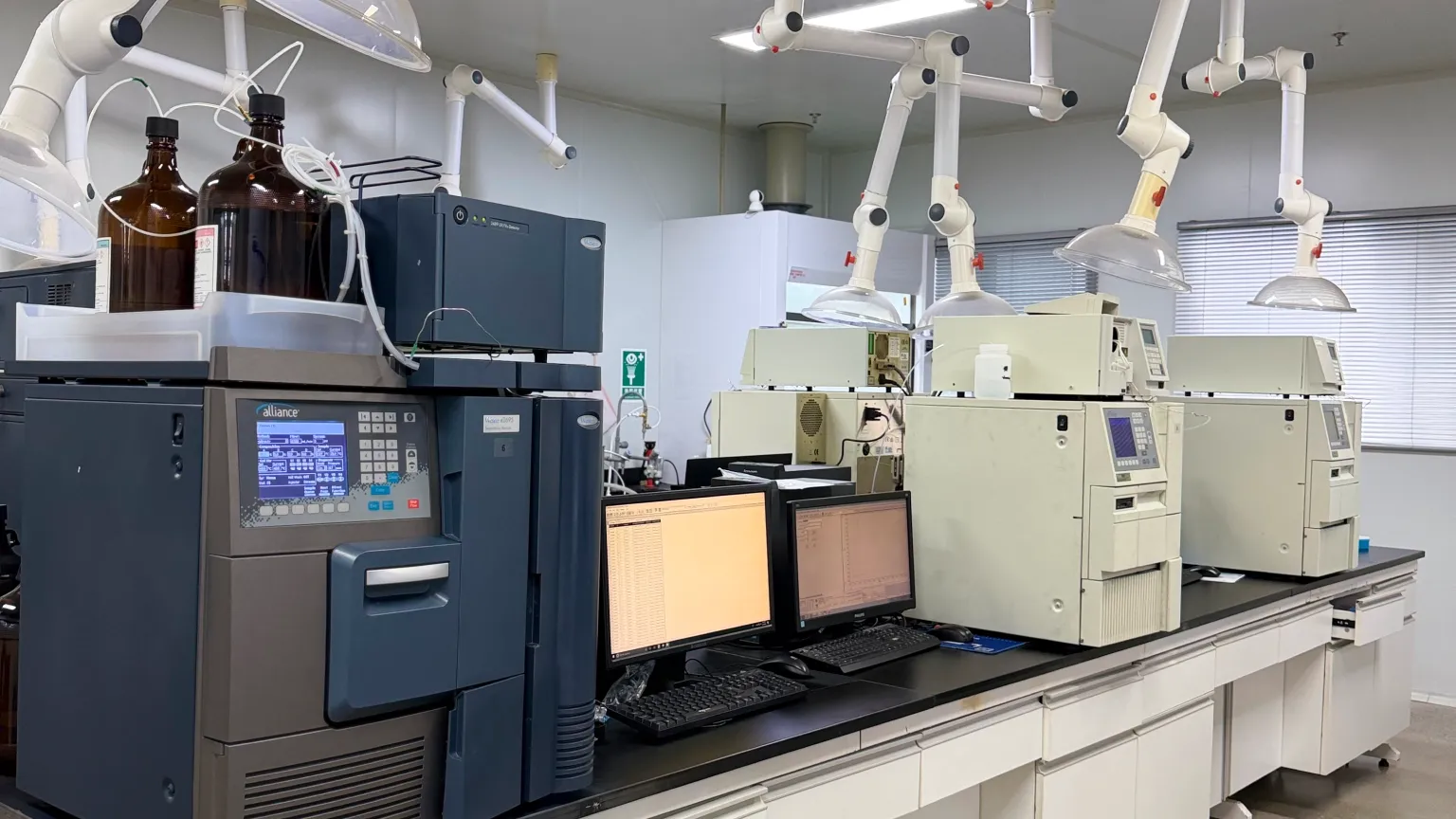
Each compound is purified by HPLC and characterized by mass spectrometry, with a COA and full analytical data suited to reference-standard and impurity-standard use.
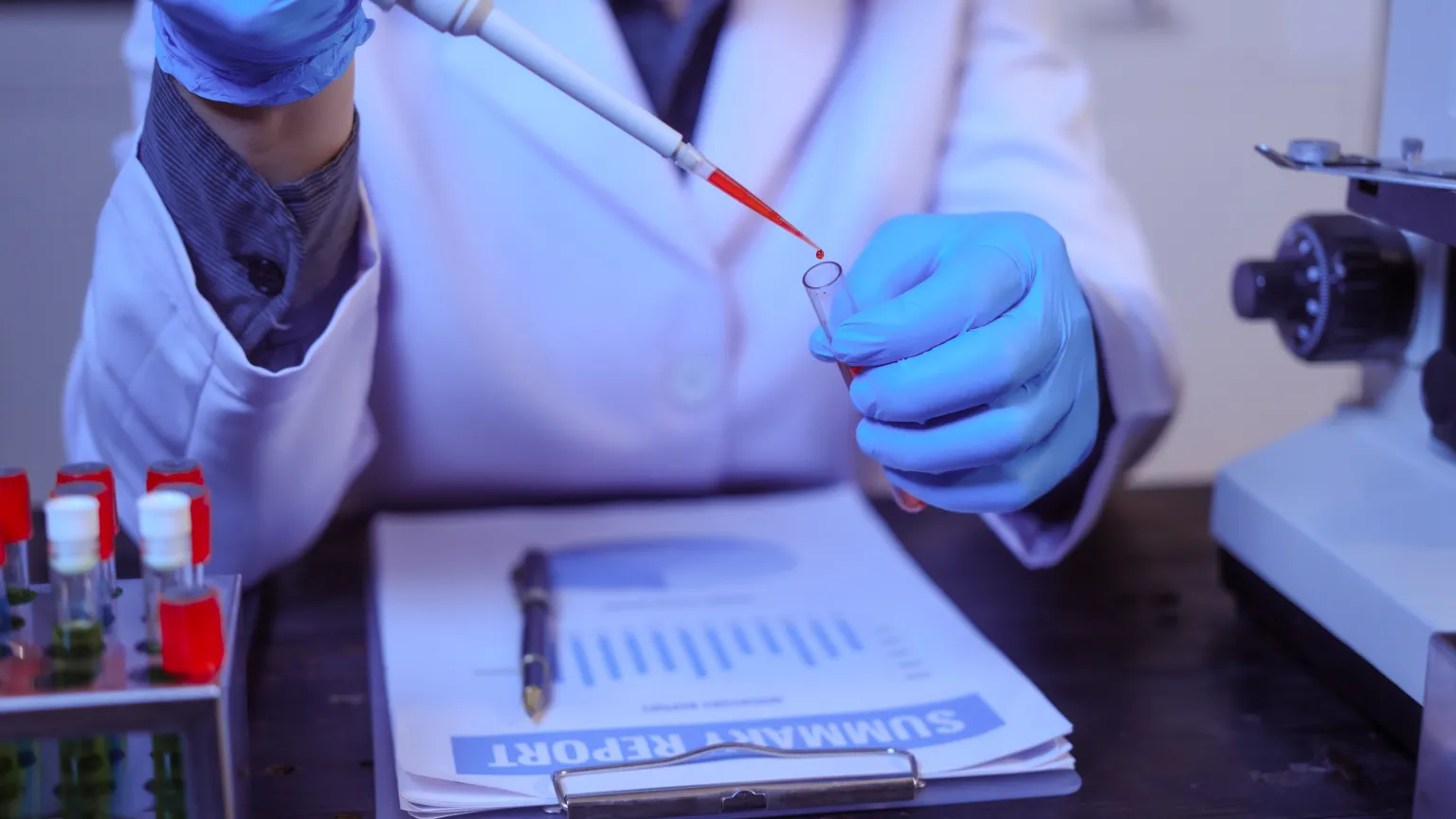
Our drug peptides are supplied strictly for laboratory research, analytical method development, and pharmaceutical R&D. They are not approved drugs and are not for human or veterinary use.
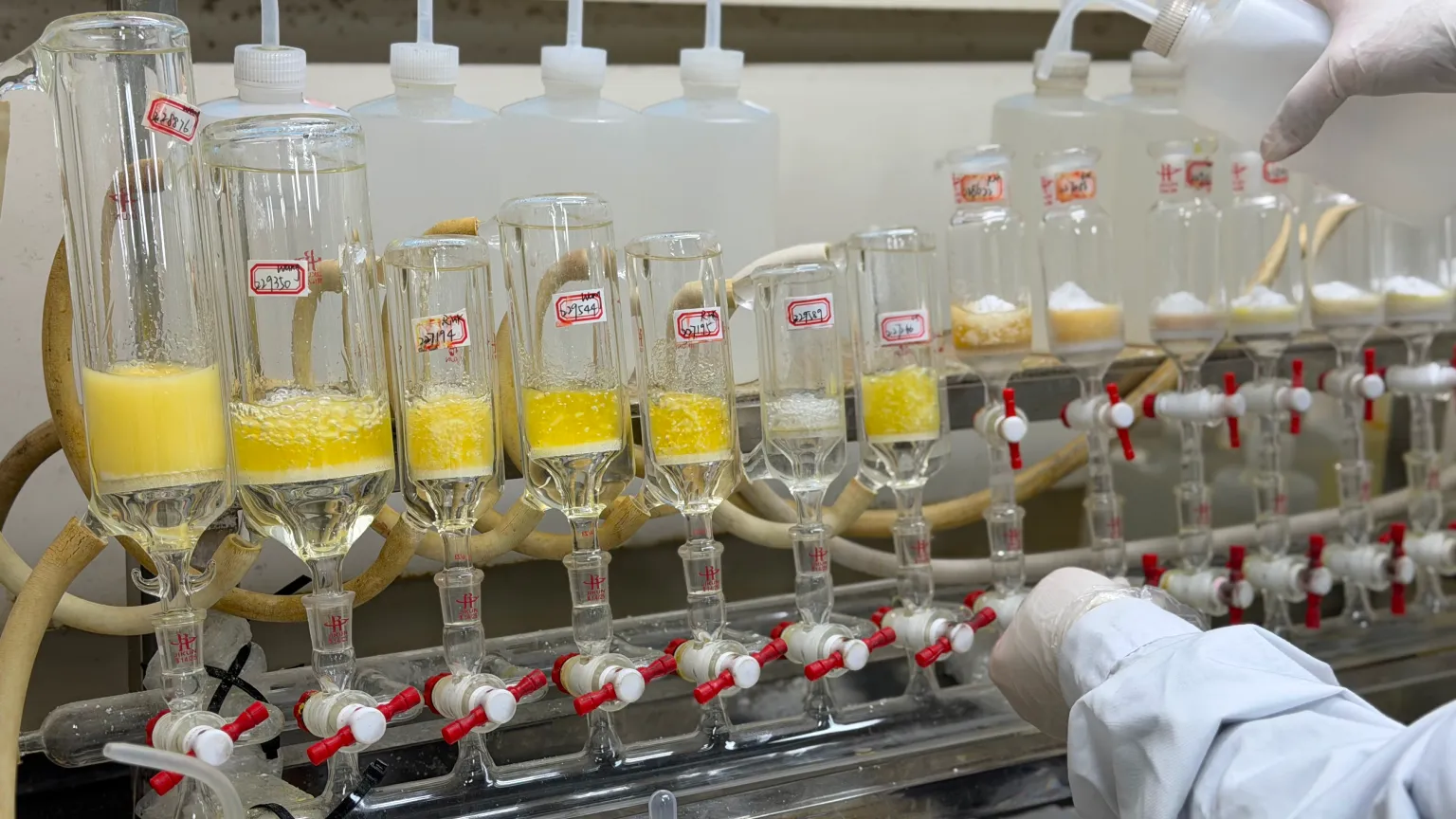
Beyond catalog compounds, we synthesize hormone analogs, peptide fragments, and impurity standards to your specification, with documentation to match.
Drug peptides in our catalog are used as reference standards, impurity standards, and research materials in pharmaceutical R&D. Labs use them for analytical method development, assay calibration, and as characterized starting points in synthesis and formulation studies.
No. Our drug peptides are supplied for laboratory research and analytical use only. They are not approved drugs, and they are not intended for human or veterinary use, diagnosis, or treatment.
Yes. We supply peptide impurity reference standards for analytical method development and QC of peptide APIs, characterized and documented so they can support regulatory submissions. Send the parent drug and the impurity you need.
Each compound ships with a COA, an HPLC chromatogram, and an MS report. For reference-standard use we can add further characterization, such as purity by multiple methods, water and counterion content, and identity confirmation.
Yes. We synthesize hormone analogs, peptide fragments, and impurity standards to your specification. Tell us the sequence or the compound, the purity you need, and the intended analytical use, and we will scope it.
We cover the main therapeutic peptide classes used in research, including hormone and GLP-class analogs, somatostatin and GnRH analogs, calcitonin-family peptides, and antimicrobial and antiviral peptides, all supplied for research use.
Drug peptides, also called therapeutic peptides, are bioactive peptide compounds developed as medicines or studied in pharmaceutical research. Many are analogs or fragments of natural hormones, redesigned for better stability and a longer effect. In a research and manufacturing setting, these same compounds are needed in characterized, documented form as reference standards and impurity standards. That is the role our drug peptide catalog serves.
A peptide becomes a drug candidate when a specific sequence produces a useful, controllable biological effect, usually by binding a receptor the way a natural hormone would. Because plain peptides are broken down quickly in the body, peptide drugs are almost always engineered versions: analogs with substituted or D-amino acids, cyclization, or attached groups that slow degradation and extend half-life. This is why peptide drug development leans so heavily on synthesis and modification.
Peptide drugs are usually grouped by the target or hormone family they act on:
More than eighty peptide drugs have been approved for clinical use worldwide, and the number grows each year as synthesis and delivery improve. Approved peptides span metabolic disease, oncology, endocrinology, and bone health. For every marketed peptide drug, manufacturers and regulators need characterized reference standards and impurity standards to develop analytical methods and release each batch. Our catalog focuses on that need, not on the finished drugs themselves.
Regulatory agencies require peptide drug makers to identify, characterize, and quantify the impurities in a peptide API. That takes well-characterized reference standards for the parent peptide and for its known impurities. We supply both, with full analytical documentation, and we synthesize custom standards and analogs to specification. For the underlying chemistry, see custom peptide synthesis, peptide modification, and our peptide CDMO service.
All drug peptides are supplied for laboratory research and analytical use only. They are not approved drugs and are not intended for human or veterinary use, diagnosis, or treatment.


