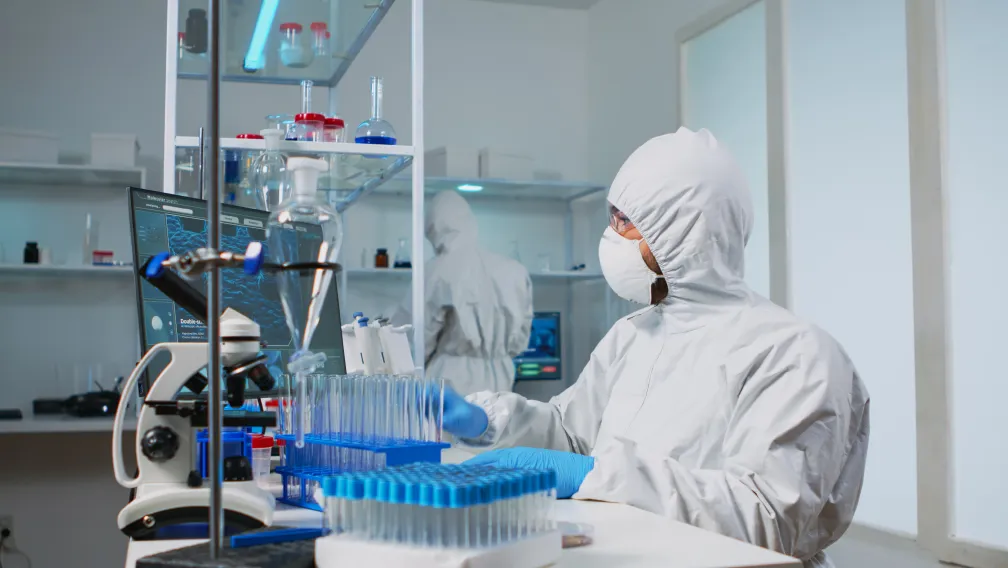
Peptide manufacturing is in the middle of the largest capacity build-out in its history, and the last few months made the scale of it hard to miss. In May, Eli Lilly added $4.5 billion to its sites in Lebanon, Indiana, where the new API plant is set to become the company's domestic cornerstone for its tirzepatide products, Zepbound and Mounjaro. That followed a $6 billion API facility announced for Huntsville, Alabama in December 2025, built for both small-molecule and peptide medicines, as part of a four-site US programme that has pushed Lilly's American manufacturing commitments past $50 billion since 2020. Lilly is the loudest example, not the only one. Across the sector, contract manufacturers are pouring capital into peptide capacity, and it is worth asking what an industrial-scale build-out means for the field.
What is driving it
Three forces are pushing at once. The first is GLP-1 demand, which has run past every supply projection made before 2022 and now anchors the revenue of both Lilly and Novo Nordisk. The second is a US policy push to bring drug production home, which has turned domestic API capacity into a strategic priority for large sponsors. The third is supply-chain risk: pandemic disruptions, followed by Section 301 tariffs and the BIOSECURE Act discussions, pushed drugmakers to re-examine how much of their peptide API supply sits in a single region. Industry reporting puts North American peptide-CDMO capital commitments at a five-year high in 2026, with the top ten providers committing on the order of $4 billion through the first quarter alone.
What is actually being built
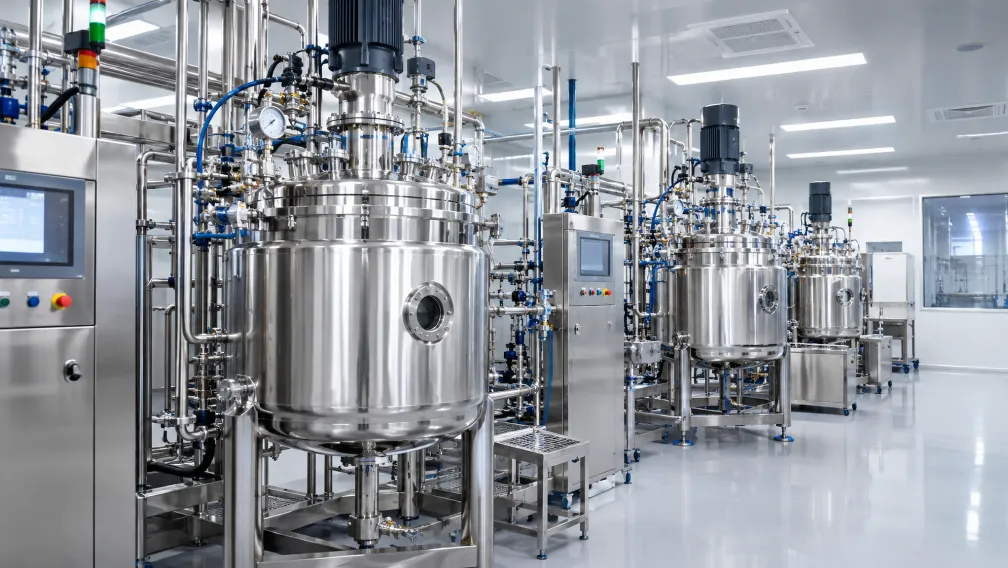
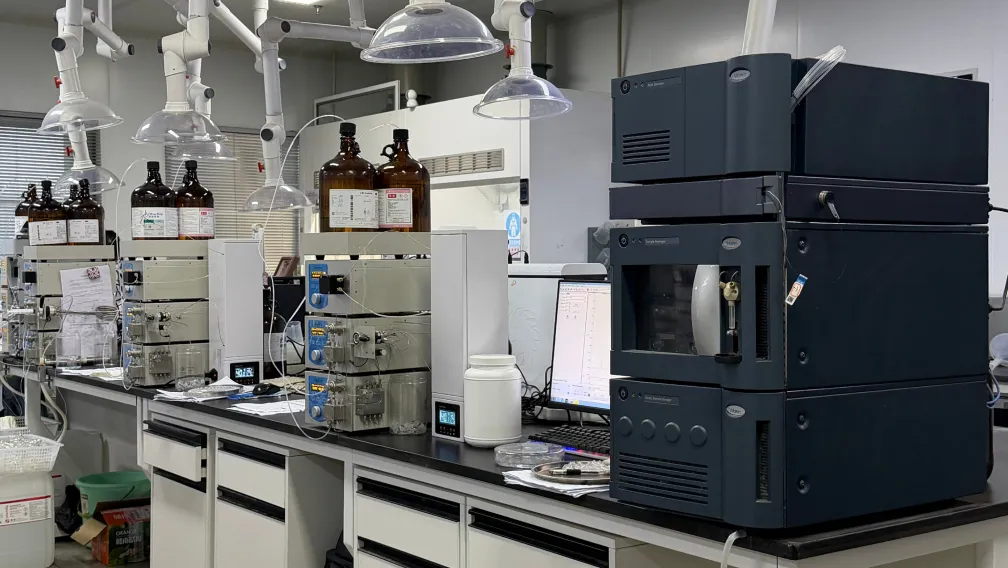
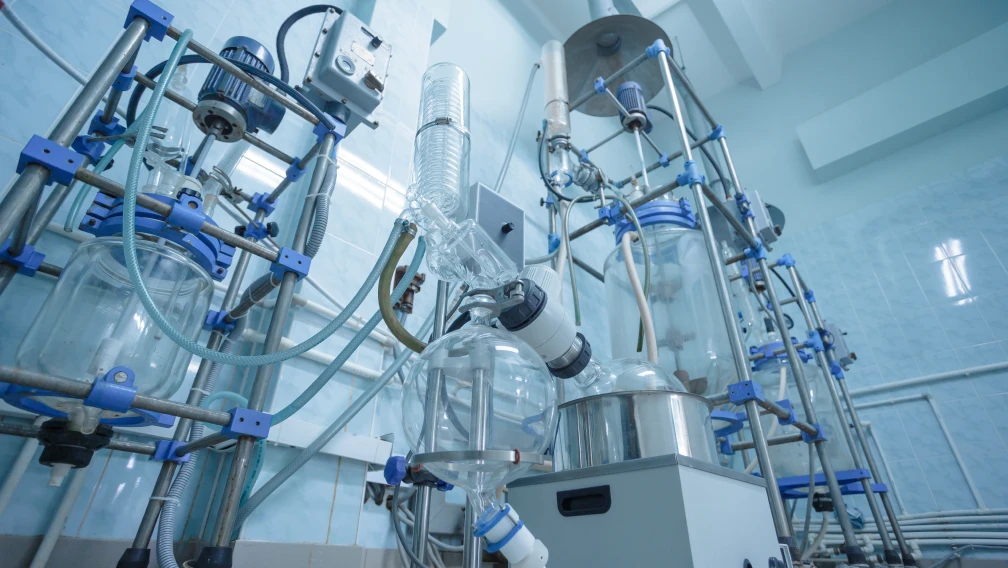
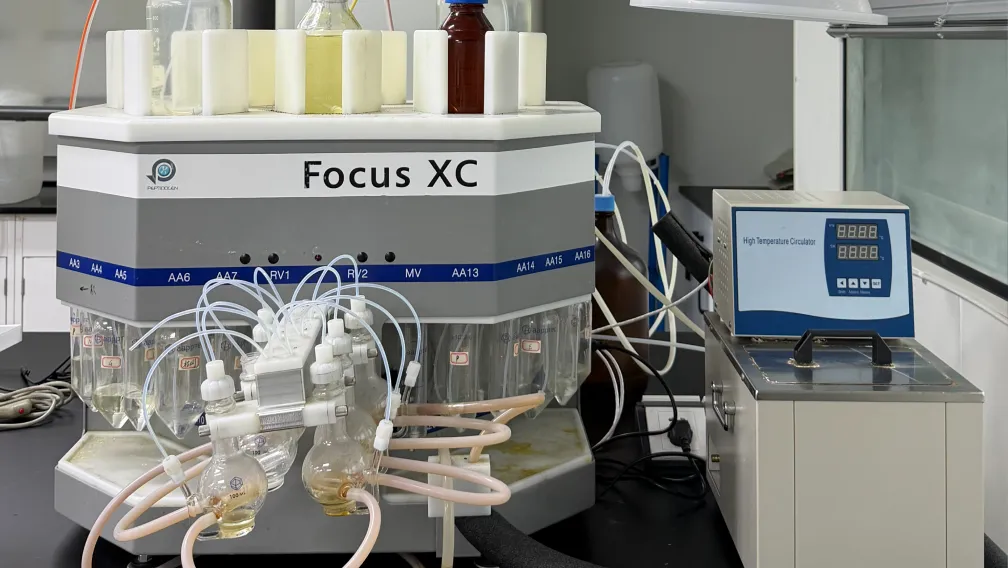
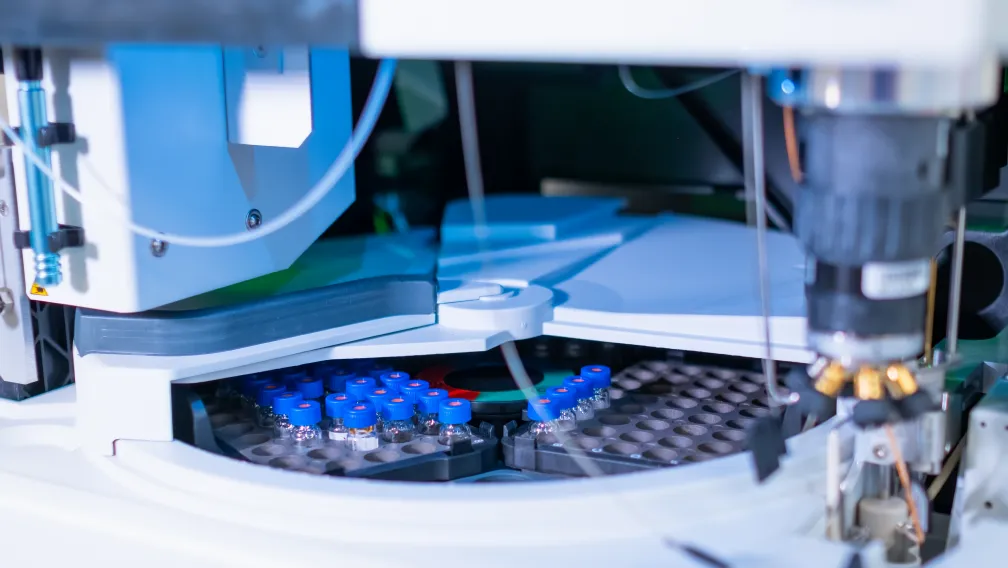
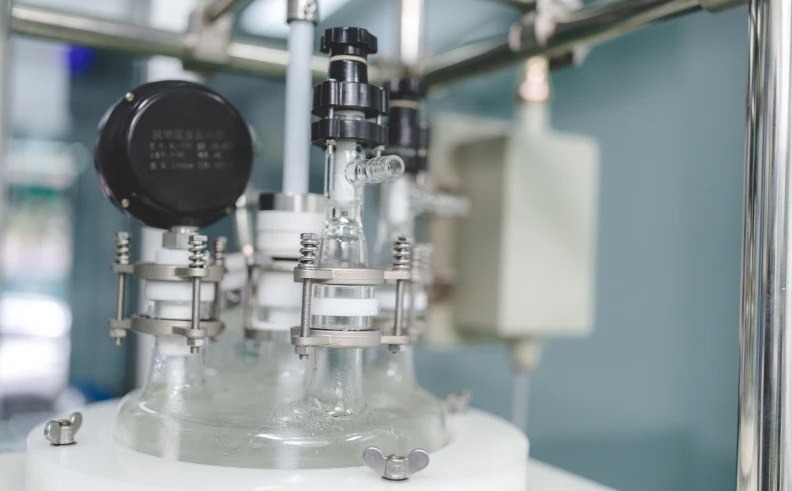
The build-out is not one thing. At the commercial end, manufacturers are constructing GMP solid-phase synthesis lines scaled for approved GLP-1 volumes, with reactor equivalents in the 1,000 to 5,000 litre range, far above the small-scale synthesis that serves research and early clinical supply. Purification is the quieter bottleneck: reverse-phase preparative HPLC is the workhorse for peptide APIs, and lead times for large-scale systems stretched to 18 to 24 months, pushing CDMOs to place forward orders just to hold their timelines. A third category is oral-peptide formulation, where the equipment for absorption-enhanced tablets and lipid nanoparticle delivery looks nothing like an injectable line.
The names are familiar. Bachem has been expanding its US footprint in San Diego and King of Prussia, Lonza and the PolyPeptide Group have added solid-phase and purification capacity, and CordenPharma committed roughly $980 million across the US and Europe. Analysts expect the North American peptide-CDMO market to grow at a 12 to 16 percent annual rate through 2028, and the projects already under construction cover only part of the capacity the market is planning to add.
Our take
The easy reading is that this is all about GLP-1. That misses the more useful point. A build-out this size confirms that peptides have crossed from a niche modality into industrial-scale medicine, and the effect runs the length of the supply chain. More approved and investigational peptide products mean more demand for peptide APIs, for the reference standards that quality control depends on, and for the research peptides that feed programmes long before they reach a commercial plant.
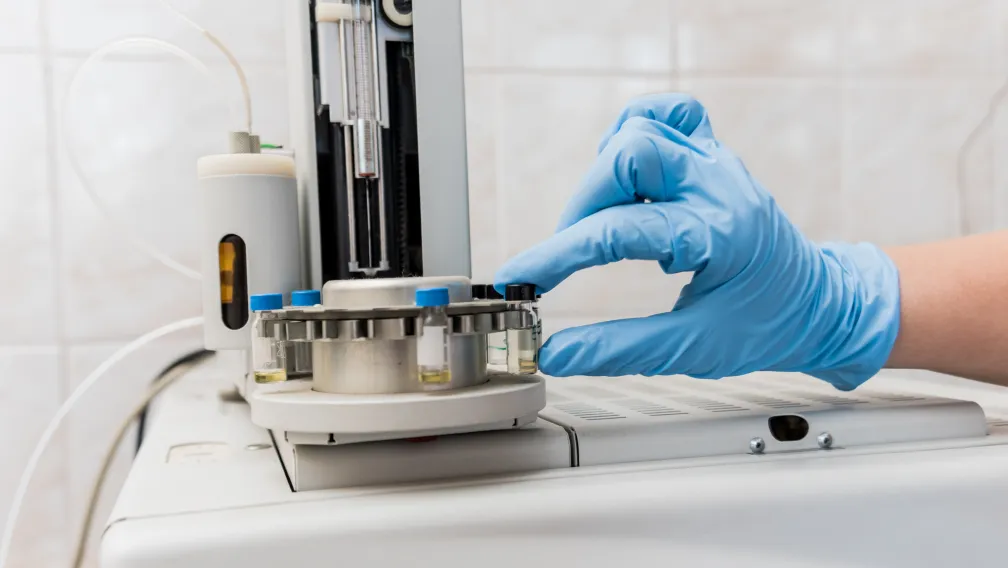
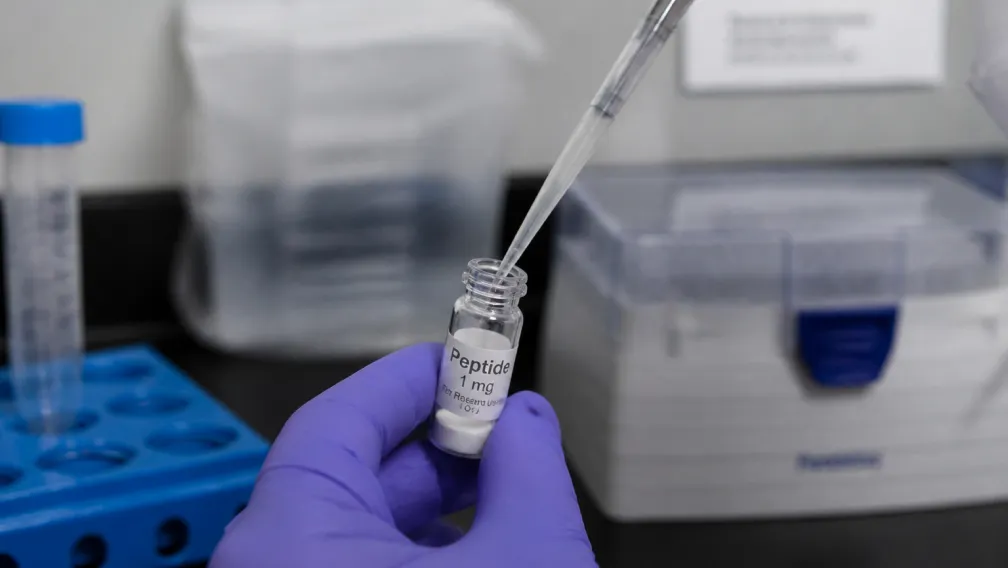
It also helps to look at where the capital is not going. Almost all of it is aimed at commercial, ton-scale GLP-1 API. The tighter squeeze, as the same reporting notes, sits at the other end of the chain: clinical and early-stage work, where small-volume, high-complexity synthesis, difficult sequences, modifications, and reference materials, is in shorter supply than the number of new programmes chasing it. That early layer is where a specialised CRO does its work, turning a sequence into usable material and feeding the pipeline that later needs the big reactors. The commercial build-out does not close the early-stage gap; if anything it widens it.
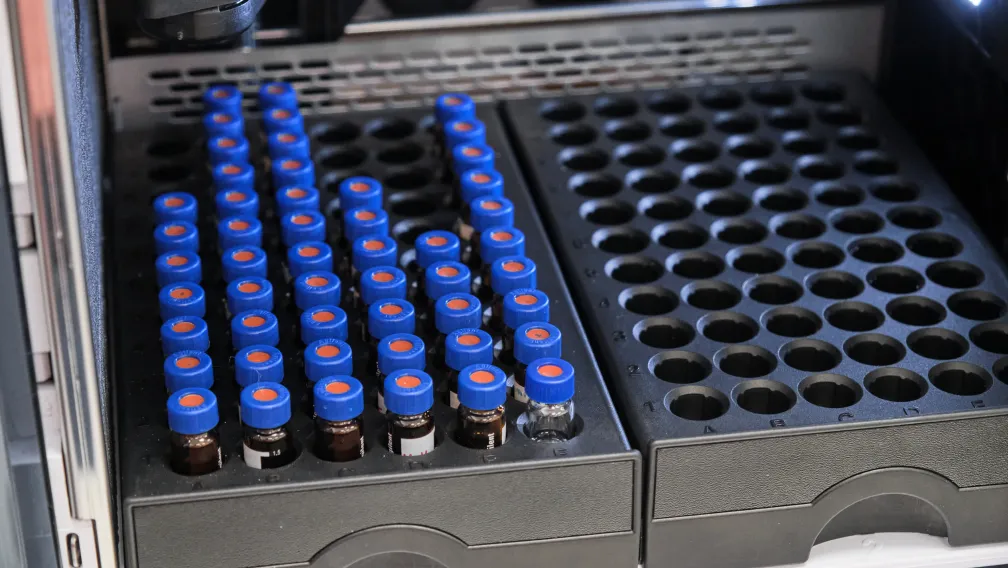
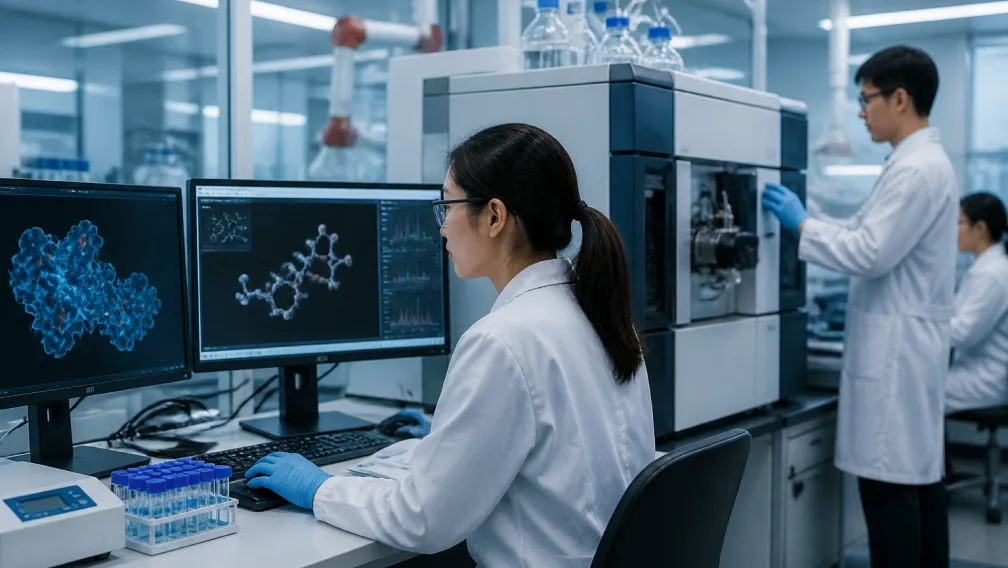
On near-shoring, the trend is real and worth reading plainly. Sponsors are qualifying more suppliers across more geographies as insurance against concentration risk, and running more audits to do it. What they ultimately buy on is manufacturing capability, quality systems, documentation, and reliability; a postcode is one input among several, not the decision. For our part, we work at the research and early-development layer, custom synthesis, modification, and difficult sequences, characterised by HPLC and mass spectrometry and released with full documentation, plus larger scale-up as programmes grow. That layer is expanding worldwide, and it is far broader than any single metabolic drug class.
The practical read for biotech and pharma teams is to treat the peptide supply chain as multi-tiered. Capacity reservation timelines at leading CDMOs have stretched from the six-to-twelve-month norm of a few years ago to 18 to 24 months, so early-stage and clinical synthesis partners are worth locking in well ahead of need. The headline capacity is being built for approved GLP-1s; the material that starts a programme still comes from somewhere else.
Working on a peptide programme, or weighing a supply decision? Reach our team at peptide@synpeptide.com.
-

Synpeptide
peptide-focused CRO/CDMO company
The SynPeptide Research Team brings together scientists specializing in peptide synthesis, purification, and analytical characterization. Drawing on hands-on laboratory experience across custom and catalog peptides, the team shares evidence-based insights for researchers, formulators, and product developers. All content is reviewed against current scientific literature and internal quality-control data, reflecting SynPeptide's commitment to accuracy, reproducibility, and the responsible communication of peptide science.