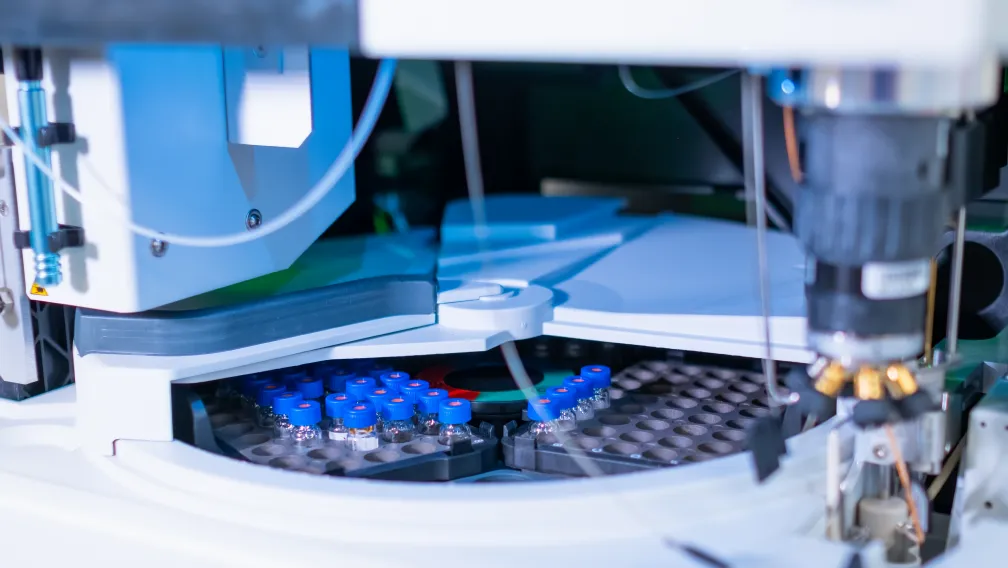
The regulatory framework for peptide compounding in the United States reached a critical juncture this week. On July 23 and 24, 2026, the FDA's Pharmacy Compounding Advisory Committee (PCAC) convened to evaluate seven specific peptide substances for potential inclusion on the 503A Bulks List. This meeting follows the agency's April 2026 decision to remove twelve peptides from its Category 2 restricted compounding list after their original nominations were withdrawn. For the pharmaceutical supply chain, this regulatory review underscores a fundamental requirement: the need for absolute analytical precision and verifiable quality control in peptide manufacturing.
What the PCAC Reviewed in July 2026
The July 2026 committee meetings focused on evaluating whether specific peptide-related bulk drug substances are appropriate for use in pharmacy compounding. The FDA review centers on clinical need, safety data, and the availability of existing FDA-approved alternatives. The agenda was divided across two days:
- July 23: The committee reviewed BPC-157, KPV, TB-500, and MOTS-C.
- July 24: The committee reviewed Emideltide (DSIP), Semax, and Epitalon.
The committee's role is to make recommendations to the FDA regarding 503A compounding eligibility, rather than granting broad drug approvals. Inclusion on the 503A list would allow licensed compounding pharmacies to prepare these peptides under physician supervision with a valid prescription. A subsequent PCAC meeting is expected before the end of February 2027 to review five additional peptides.
Implications for Peptide Quality and Supply
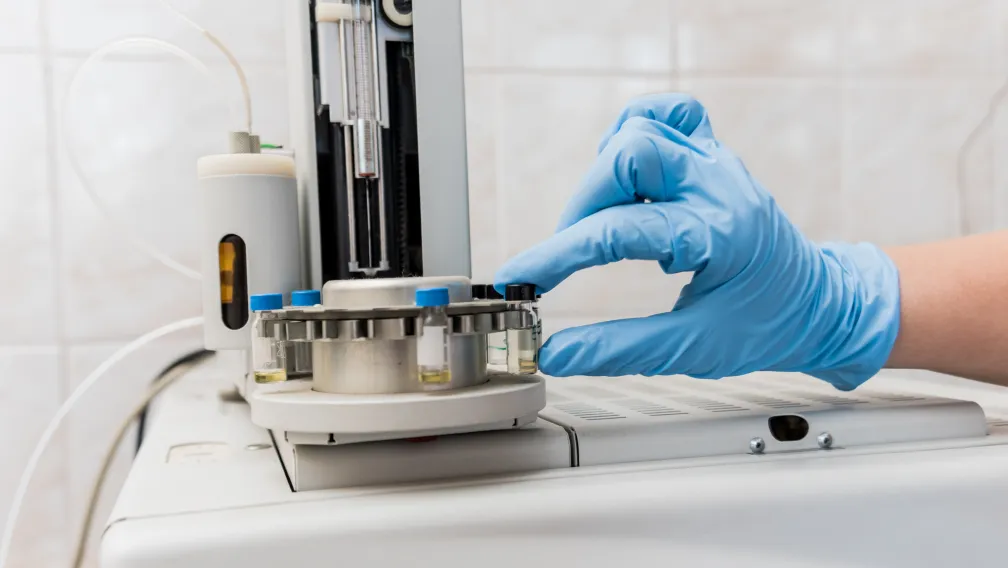
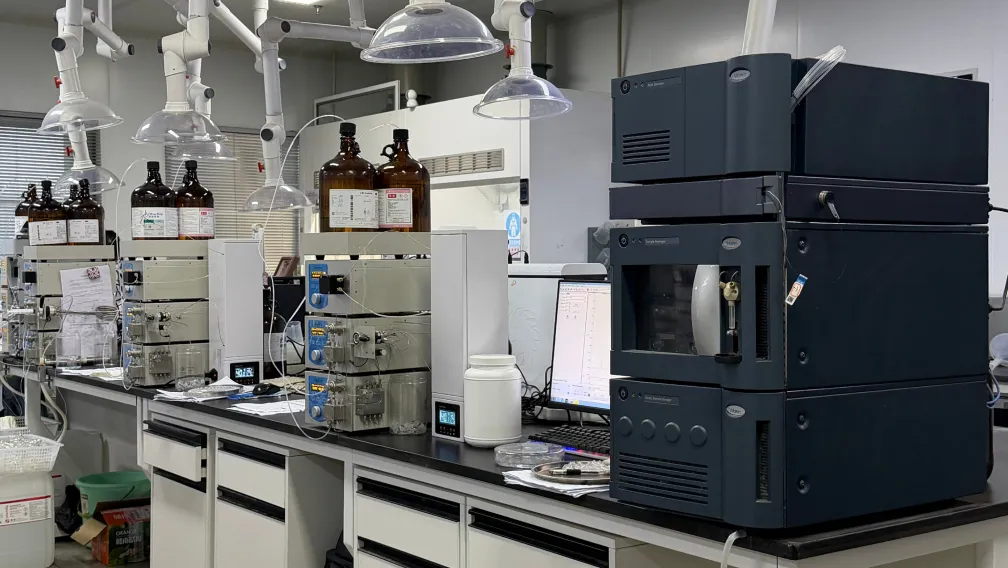
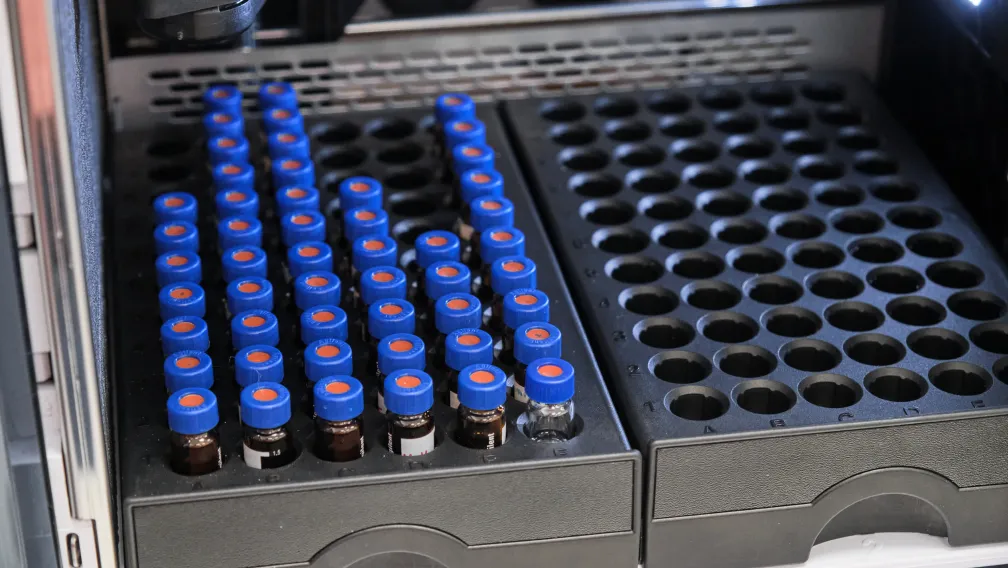
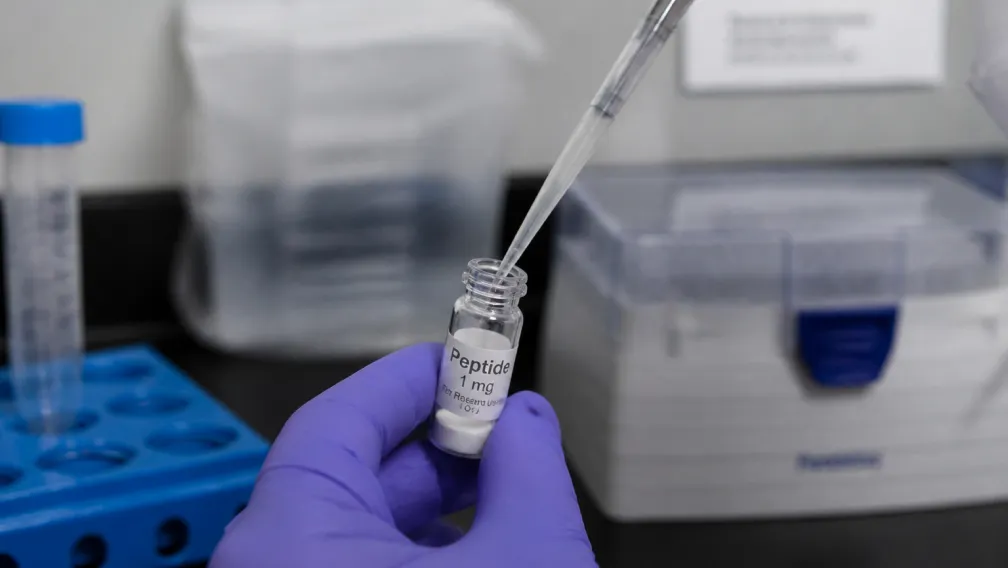
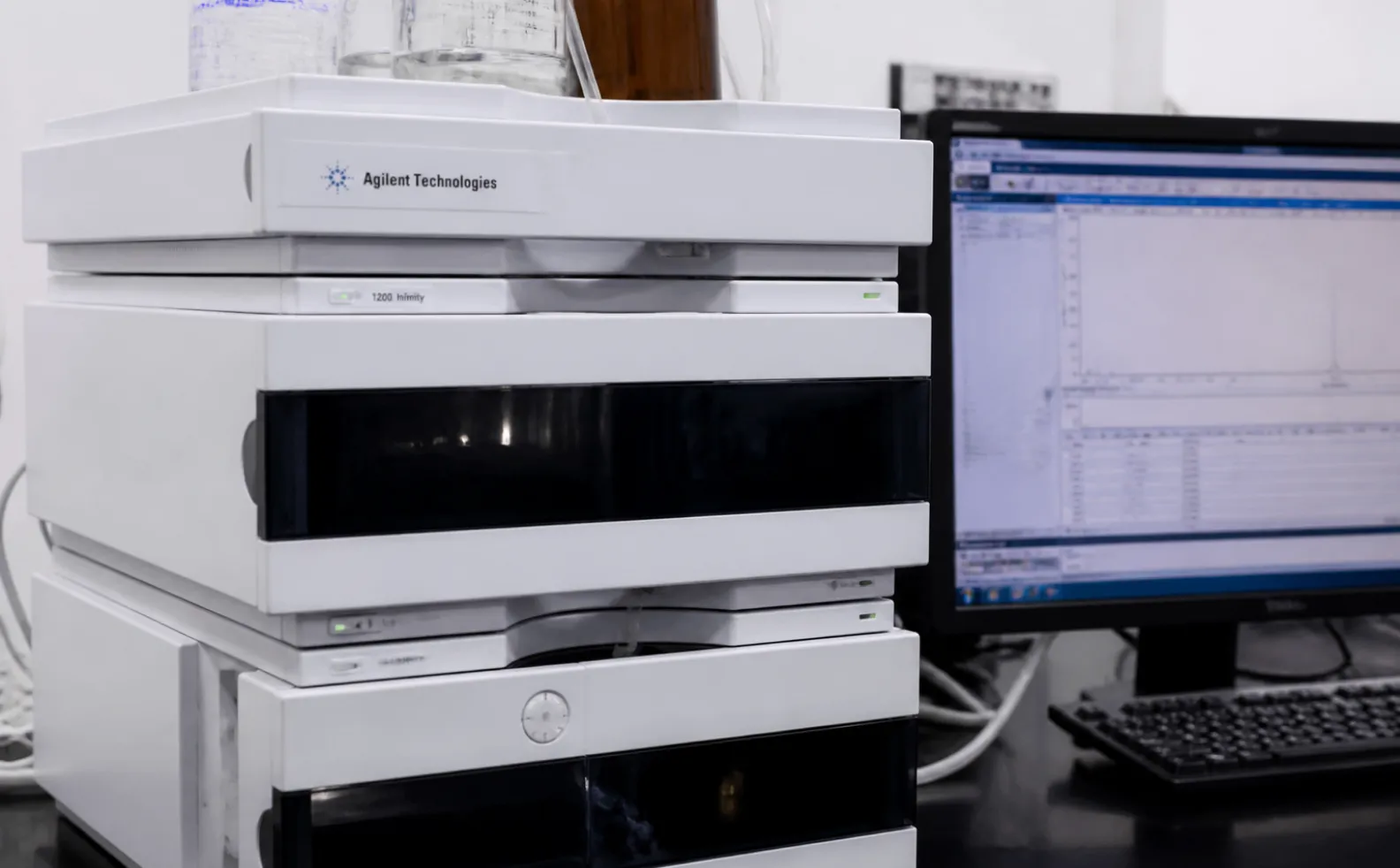
This evolving regulatory scrutiny means that compounding pharmacies and research facilities must source their raw materials from suppliers capable of providing rigorous documentation. Regardless of 503A status, any peptide substance used in clinical or advanced research settings requires complete traceability. Facilities rely on comprehensive drug peptides manufacturing that includes high-performance liquid chromatography (HPLC) and mass spectrometry (MS) validation to ensure purity and detect potential impurities.
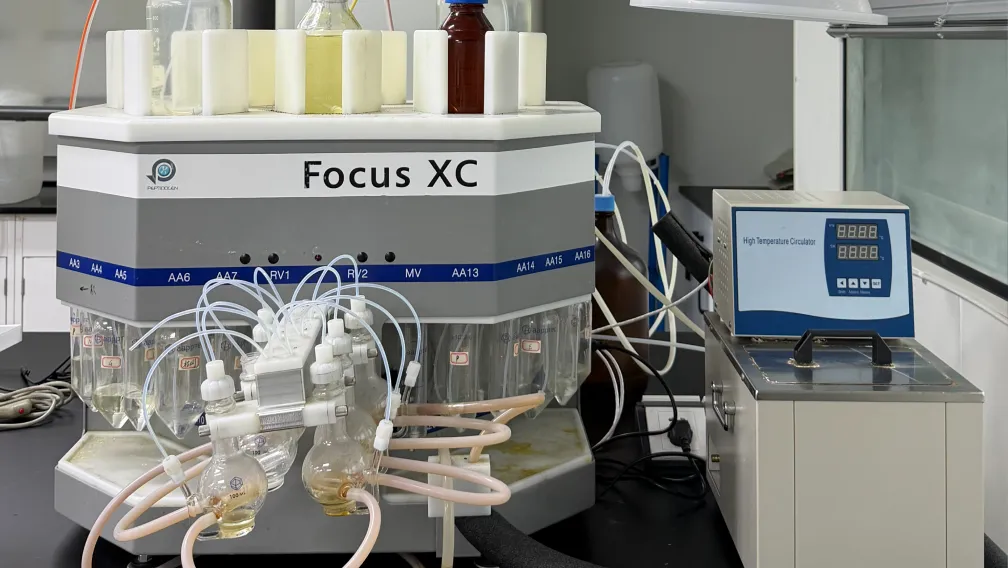
As the FDA clarifies its stance on these specific sequences, the burden of quality falls heavily on the synthesis process. Suppliers must maintain tight control over the solid-phase peptide synthesis (SPPS) parameters to avoid cross-contamination or degradation. For organizations requiring precise sequences for regulatory compliance or downstream research, utilizing professional custom peptide synthesis ensures that the final product aligns perfectly with the required analytical specifications.
Key Takeaways for the Industry
What does the FDA's July 2026 PCAC meeting mean for peptide compounding?
The July 23-24, 2026 PCAC meeting evaluated seven specific peptides, including BPC-157 and Semax, to determine their eligibility for the 503A Bulks List. If the FDA ultimately adds these substances to the list based on the committee's recommendations, licensed compounding pharmacies will be permitted to compound them for patients under strict medical supervision and with a valid prescription. This process is a regulatory classification for compounding, not a blanket FDA drug approval.
What is the difference between removal from the Category 2 list and 503A approval?
Removal from the Category 2 restricted list, which occurred for twelve peptides in April 2026, simply eases the immediate restriction that blocked their use. However, it does not officially clear them for compounding. The substance must still be formally reviewed by the PCAC and approved by the FDA for inclusion on the 503A list to establish clear legal compounding status.
Sources
- FDA: July 23-24, 2026: Meeting of the Pharmacy Compounding Advisory Committee. https://www.fda.gov/advisory-committees/advisory-committee-calendar/july-23-24-2026-meeting-pharmacy-compounding-advisory-committee-07232026
- Olympia Pharmaceuticals: Peptides in 2026, What the FDA Review Means. https://www.olympiapharmacy.com/blog/fda-peptides-review-2026/
- Amanecia Health: FDA Peptide Reclassification 2026: What It Means for Patients. https://amaneciahealth.com/fda-peptide-reclassification-2026-amanecia-health/
-

Synpeptide
peptide-focused CRO/CDMO company
The SynPeptide Research Team brings together scientists specializing in peptide synthesis, purification, and analytical characterization. Drawing on hands-on laboratory experience across custom and catalog peptides, the team shares evidence-based insights for researchers, formulators, and product developers. All content is reviewed against current scientific literature and internal quality-control data, reflecting SynPeptide's commitment to accuracy, reproducibility, and the responsible communication of peptide science.