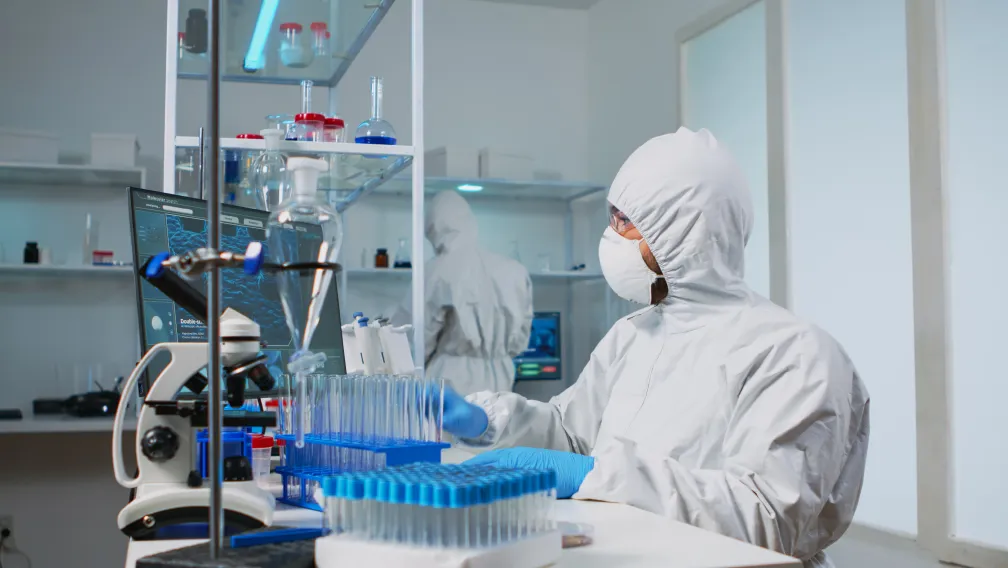
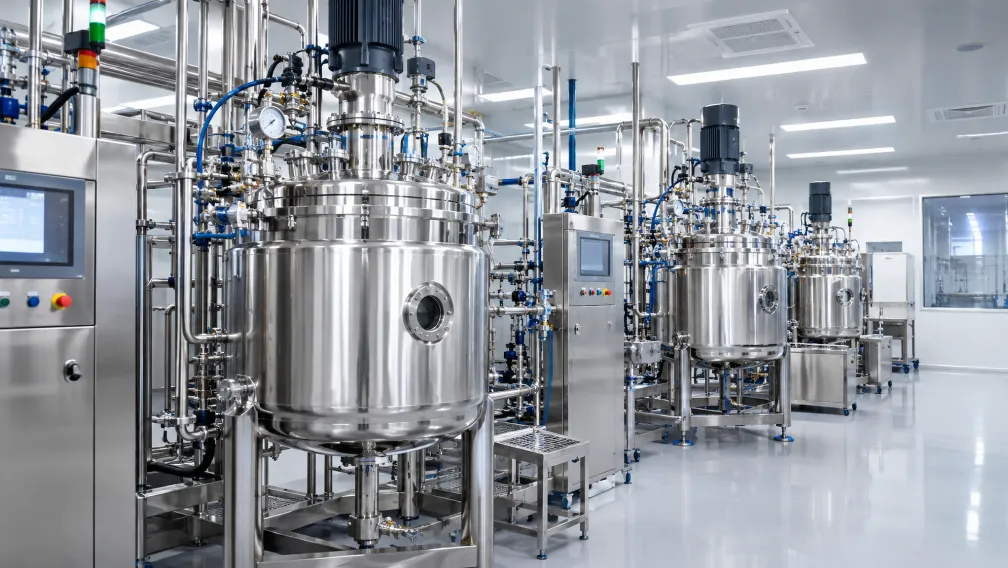
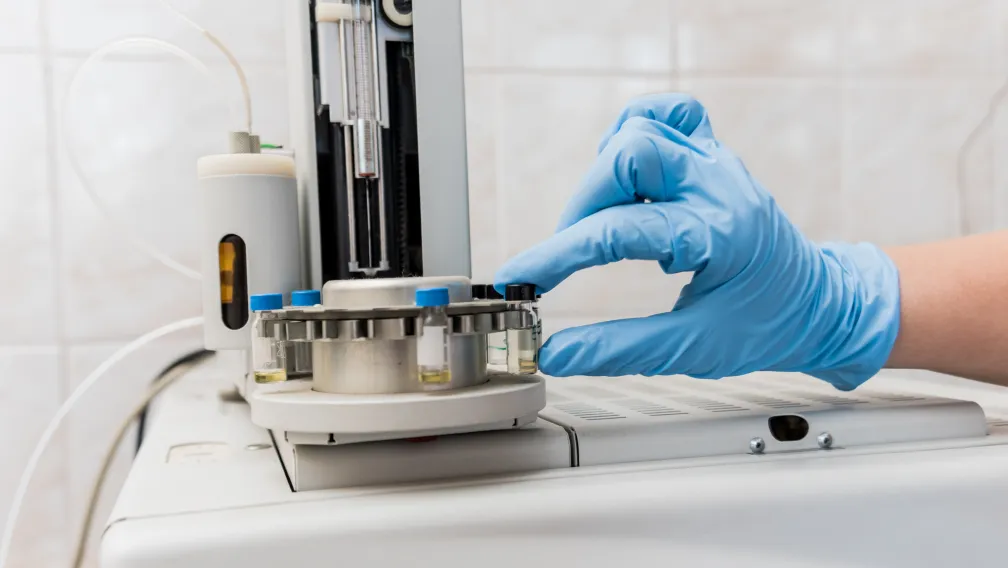
Peptide manufacturing in North America is in the middle of its biggest build-out in years. Trade coverage in 2026 puts capital investment in the sector at a five-year high, with new facilities, larger reactors, and added solid-phase and purification capacity moving from planning into construction across the US and Canada. Here is what is driving it, and how we read it from the manufacturing side.
What is driving the surge
Three pressures are stacking up at the same time:
- GLP-1 demand that has outrun every pre-2022 supply forecast, which makes semaglutide and tirzepatide-class drugs top revenue lines for their makers and puts any supply gap straight onto the balance sheet and into patient access.
- A US policy push for domestic pharmaceutical manufacturing, which has turned "made in North America" into a procurement criterion rather than a preference.
- A move by drug sponsors to reduce the risk of having most peptide API capacity concentrated in one region, by qualifying more than one API source, including North American ones.
The visible result is that North American CDMOs report qualification requests and audit visits from sponsors who used to source only from Asian manufacturers, and turning those first engagements into long-term supply agreements is the commercial goal for the year.
The supply gap is not closing yet
Even with the investment, the GLP-1 shortfall is expected to last another year or two, because plants take time to build, commission, and qualify. Generic competition is arriving in parallel, with a generic semaglutide flagged for 2026 and oral copies in preparation elsewhere, and that will add its own manufacturing demand. Across the peptide and oligonucleotide CDMO market, where GMP manufacturing already makes up most of the spend, capacity is increasingly booked on multi-year take-or-pay contracts signed well before approval.
Our take
From where we sit, the reshoring story is real but often misread. Holding more than one qualified supplier is a rational response to supply risk, and it is sensible for any sponsor with a blockbuster peptide. What it does not signal is a retreat from global capacity. The deeper point is that peptide manufacturing capacity itself, wherever it sits, is the bottleneck, and the demand behind it is structural rather than a passing spike. That pulls more qualified suppliers into the market everywhere, not fewer.
We would also argue that geography is the wrong first filter. What decides whether a peptide program runs smoothly is process-development depth, a real analytical and impurity-control capability, and the ability to scale a route without changing hands. Sponsors are better served by qualifying suppliers on those grounds, in more than one region, than by treating a location as a stand-in for quality. For our part, we work with customers in over one hundred countries and focus on exactly that: moving a molecule from custom peptide synthesis and process development through to large-scale peptide synthesis, with the quality data to back each batch, and supporting longer programs as a peptide CDMO.
For biotech and pharma teams planning peptide supply in 2026, the practical lessons are simple. Qualify more than one supplier, start early because capacity is tight, and weigh process and analytical strength alongside location and price — how much peptide synthesis actually costs at commercial scale is often where the qualification conversation lands.
Planning peptide supply or a scale-up in this market? Reach our team at peptide@synpeptide.com to talk it through.
-

Synpeptide
peptide-focused CRO/CDMO company
The SynPeptide Research Team brings together scientists specializing in peptide synthesis, purification, and analytical characterization. Drawing on hands-on laboratory experience across custom and catalog peptides, the team shares evidence-based insights for researchers, formulators, and product developers. All content is reviewed against current scientific literature and internal quality-control data, reflecting SynPeptide's commitment to accuracy, reproducibility, and the responsible communication of peptide science.